Your skin is your body's largest organ, and it reflects everything happening inside — your nutrition, hydration, stress levels, and sleep quality all show up on your face. That's why the most effective skincare strategies don't start with serums and creams. They start with what you feed your body. And sea moss for skin health is one of the most powerful dietary additions you can make.
Sea moss — a mineral-rich red algae from the ocean — contains a unique combination of nutrients that support skin health from the inside out: vitamin C for collagen synthesis, sulfur compounds for elasticity, zinc for wound healing and acne reduction, and natural hydrating polysaccharides that plump and moisturize at the cellular level.
In this article, we'll explore exactly how sea moss supports skin health, the specific skin benefits you can expect, how to use it both internally and topically, and a simple DIY sea moss face mask recipe you can try tonight.
How Sea Moss Supports Skin Health: The Science
Sea moss doesn't support skin health through one single mechanism — it works through multiple nutritional pathways simultaneously. This is what makes it more effective than isolated skincare ingredients that target only one aspect of skin health.
Collagen Production Support
Collagen is the structural protein that gives skin its firmness, elasticity, and youthful appearance. It makes up approximately 75-80% of the dry weight of your skin. After age 25, your body's natural collagen production begins to decline by roughly 1-1.5% per year — which is why skin gradually becomes thinner, less elastic, and more prone to wrinkles as you age.
Your body needs three key nutrients to synthesize collagen effectively:
- Vitamin C — A required cofactor for the enzymes (prolyl hydroxylase and lysyl hydroxylase) that stabilize collagen's triple-helix structure. Without adequate vitamin C, your body cannot produce functional collagen, no matter how much protein you eat.
- Amino acids (proline, glycine, hydroxyproline) — The building blocks that collagen molecules are assembled from.
- Sulfur compounds — Essential for the cross-linking of collagen fibers, which gives skin its structural integrity.
Sea moss provides all three. It contains meaningful amounts of vitamin C, a profile of amino acids including those critical to collagen synthesis, and sulfur compounds that support the structural framework of collagen in skin tissue.
Natural Hydration From Within
Dehydrated skin isn't just skin that needs more water — it's skin that can't hold onto moisture effectively. The mucilaginous polysaccharides in sea moss (the compounds that give it its gel-like texture) have a remarkable ability to attract and retain water molecules. When consumed, these polysaccharides support your body's ability to maintain hydration at the cellular level.
Think of it as moisturizing from the inside. While topical moisturizers create a barrier on the skin's surface to prevent water loss, the nutrients in sea moss support your body's internal hydration mechanisms — ensuring that moisture reaches your skin cells from the bloodstream.
Research published in the Journal of Marine Science and Engineering has documented the hydrating and skin-protective properties of marine polysaccharides, noting their potential applications in both cosmetics and functional foods.
Antioxidant Protection
Your skin is constantly under assault from environmental aggressors — UV radiation, pollution, blue light from screens, and free radicals generated by normal metabolic processes. These create oxidative stress that damages skin cells, accelerates aging, and contributes to hyperpigmentation, fine lines, and dullness.
Sea moss contains several antioxidant compounds that help neutralize free radicals before they can damage skin cells:
- Vitamin C — A potent water-soluble antioxidant that protects against UV-induced damage
- Vitamin E — A fat-soluble antioxidant that protects cell membranes
- Beta-carotene (provitamin A) — Converts to vitamin A in the body, supporting cell turnover and repair
- Selenium — Supports glutathione peroxidase, one of the body's most important antioxidant enzymes
- Fucoxanthin — A carotenoid unique to marine algae with potent antioxidant and anti-inflammatory activity
Specific Sea Moss Skin Benefits You Can Expect
Now let's get into the specific skin improvements that sea moss users commonly report. While individual results vary based on genetics, diet, lifestyle, and consistency, these are the benefits most frequently observed.
Clearer Complexion and Reduced Acne
Acne is driven by a combination of excess sebum production, bacterial overgrowth, inflammation, and clogged pores. Sea moss addresses several of these factors simultaneously.
Zinc — present in significant amounts in sea moss — is one of the most well-researched minerals for acne management. It has anti-inflammatory properties, helps regulate sebum production, and supports wound healing (which helps acne lesions resolve faster and with less scarring). Studies have consistently shown that people with acne tend to have lower zinc levels than those with clear skin.
The sulfur compounds in sea moss have natural antimicrobial properties that may help control the bacteria (Cutibacterium acnes) that contribute to inflammatory breakouts. Sulfur has been used in dermatology for over a century as a gentle antibacterial and keratolytic agent.
Additionally, the prebiotic fiber in sea moss supports gut health — and the gut-skin connection is increasingly recognized in dermatological research. An imbalanced gut microbiome has been linked to inflammatory skin conditions including acne, rosacea, and eczema.
Improved Skin Hydration and Plumpness
Dehydrated skin looks dull, flat, and shows fine lines more prominently. The minerals and polysaccharides in sea moss support your body's ability to deliver and retain moisture in skin tissue.
Potassium helps maintain proper fluid balance in cells. Magnesium supports the skin's barrier function, which prevents transepidermal water loss (TEWL). The mucilaginous compounds in sea moss attract and hold water molecules, supporting a plumper, more hydrated appearance.
Many sea moss users report that their skin feels softer and more hydrated within the first 1-2 weeks of daily use — even before other benefits become visible.
Reduced Appearance of Fine Lines and Wrinkles
By supporting collagen production and providing antioxidant protection, sea moss addresses two of the primary drivers of visible skin aging. Collagen gives skin structure and firmness; antioxidants prevent the oxidative damage that breaks down existing collagen.
This isn't an overnight miracle — anti-aging benefits from nutritional support take time. Most people notice a gradual improvement in skin firmness and fine line appearance after 4-8 weeks of consistent daily use. The key word is consistent. Your body needs a steady supply of these nutrients to support ongoing collagen synthesis.
More Even Skin Tone
Hyperpigmentation — dark spots, sun spots, and uneven skin tone — is caused by excess melanin production, often triggered by UV damage, hormonal changes, or post-inflammatory responses. Vitamin C plays a role in regulating melanin production by inhibiting the enzyme tyrosinase, which converts the amino acid tyrosine into melanin.
While sea moss isn't a substitute for targeted brightening treatments or sunscreen, the steady supply of vitamin C and antioxidants from daily sea moss consumption supports a more even, luminous complexion over time.
Support for Eczema and Inflammatory Skin Conditions
Eczema, psoriasis, and other inflammatory skin conditions are driven by immune dysregulation and chronic inflammation. While sea moss is not a treatment for these conditions, its anti-inflammatory compounds — including omega-3 fatty acids, sulfated polysaccharides, and antioxidants — may help modulate the inflammatory response that drives flare-ups.
The gut-healing properties of sea moss are also relevant here. Research increasingly links gut permeability ("leaky gut") to inflammatory skin conditions. By supporting the gut lining with prebiotic polysaccharides, sea moss may help address one of the underlying drivers of skin inflammation.
If you have a diagnosed skin condition, always work with your dermatologist. Sea moss can complement medical treatment, but it shouldn't replace it.
Sea Moss for Skin: Internal vs. Topical Use
One of the unique advantages of sea moss gel is that it works both internally (eaten) and topically (applied to skin). For maximum skin benefits, many people use both approaches simultaneously.
Internal Use (Eating Sea Moss Gel)
Consuming 1-2 tablespoons of sea moss gel daily delivers skin-supporting nutrients through your bloodstream to skin cells throughout your entire body. This is the foundation of any sea moss skin routine because it addresses skin health systemically.
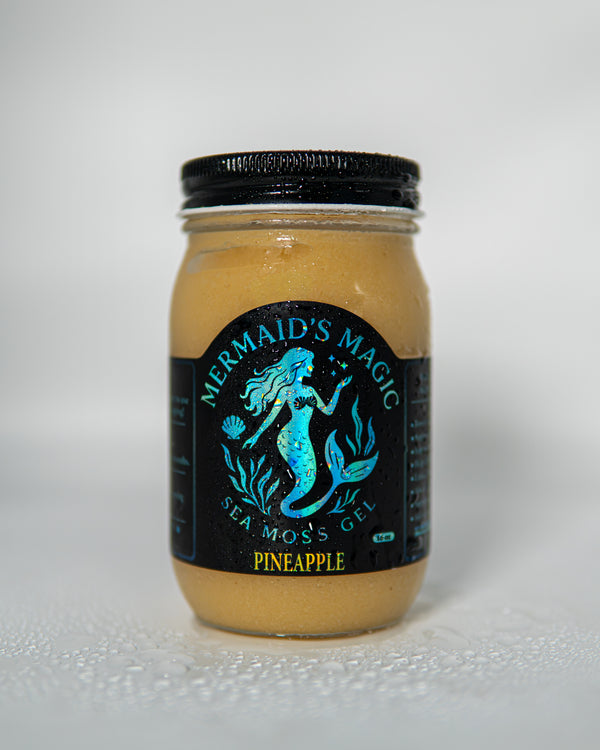
For skin-focused results, our Pineapple Blue Spirulina Sea Moss Gel is an excellent choice. Blue spirulina (phycocyanin) is a potent antioxidant that pairs synergistically with the skin-supporting minerals in sea moss. Together, they provide a powerful combination of anti-inflammatory and collagen-supporting compounds.
The pineapple in this formula also contributes bromelain — a natural enzyme that supports gentle exfoliation and skin cell turnover from the inside. It's like getting a facial from your breakfast smoothie.
Topical Use (Sea Moss Face Masks)
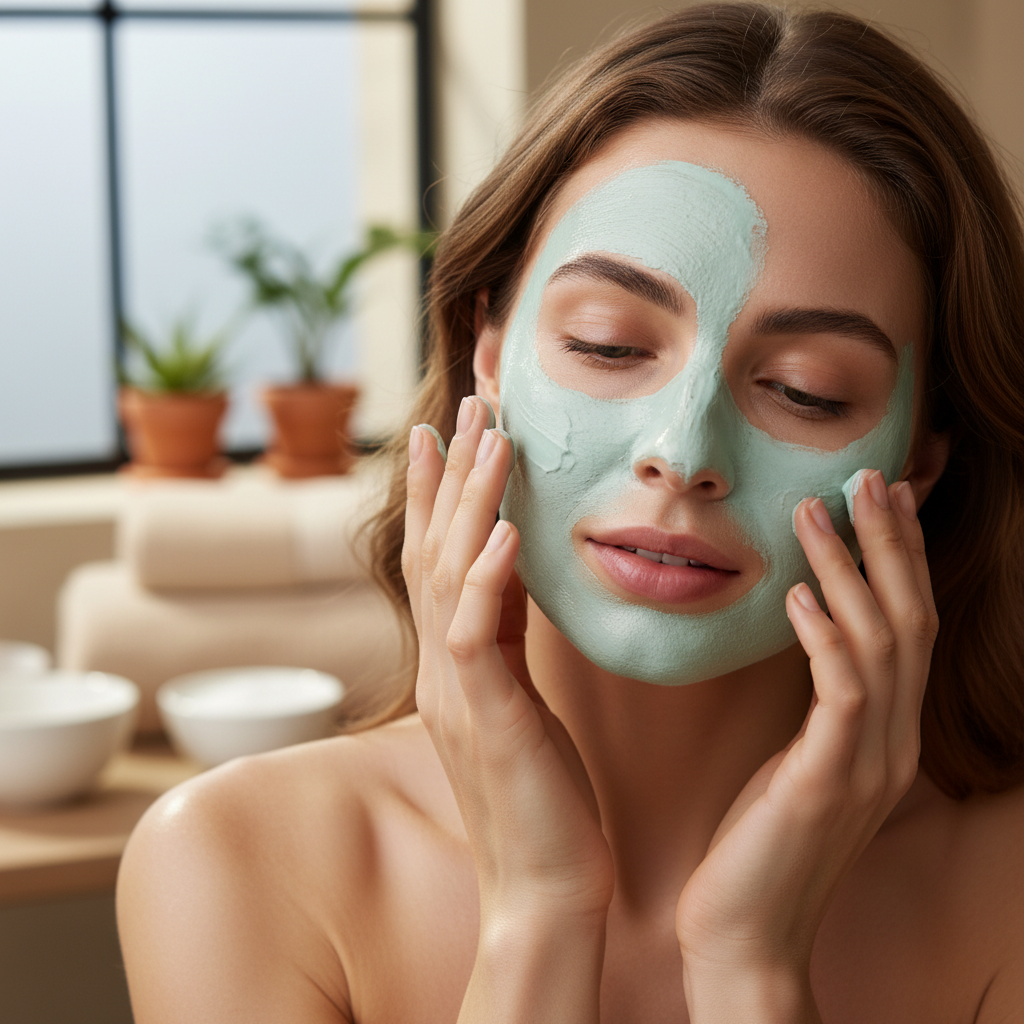
Applied directly to the skin, sea moss gel acts as a hydrating, mineral-rich mask that delivers nutrients through transdermal absorption. The polysaccharides create a moisture-retaining film on the skin, while minerals like zinc, sulfur, and magnesium are absorbed directly into the epidermis.
Topical sea moss can provide more immediate visible results than internal consumption — you'll often notice softer, more hydrated skin after a single application. However, these effects are temporary (lasting a day or so) unless combined with consistent internal use.
DIY Sea Moss Face Mask Recipe
Here's a simple, effective sea moss face mask you can make at home with ingredients you probably already have:
Basic Hydrating Sea Moss Mask
- 2 tablespoons plain or lightly flavored sea moss gel
- 1 teaspoon raw honey (antibacterial, humectant)
- 1 teaspoon aloe vera gel (soothing, hydrating)
Instructions:
- Mix all ingredients in a small bowl until smooth and well combined.
- Cleanse your face thoroughly and pat dry.
- Apply a thin, even layer to your entire face, avoiding the eye area.
- Relax for 15-20 minutes. The mask will feel cool and slightly tightening as it dries.
- Rinse with lukewarm water using gentle circular motions.
- Pat dry and follow with your regular moisturizer or facial oil.
Use this mask 2-3 times per week for best results.
Brightening Sea Moss Mask (for dull or uneven skin)
- 2 tablespoons sea moss gel
- 1 teaspoon turmeric powder (anti-inflammatory, brightening)
- 1 teaspoon lemon juice (vitamin C, gentle exfoliant)
- 1 teaspoon coconut oil (moisturizing, antimicrobial)
Note: Turmeric can temporarily stain skin a slight yellow tint. This fades within a few hours. Do a patch test on your inner arm before applying to your face, especially if you have sensitive skin. Avoid direct sun exposure immediately after using the lemon juice version.
Soothing Sea Moss Mask (for sensitive or irritated skin)
- 2 tablespoons sea moss gel
- 1 tablespoon plain yogurt (lactic acid, probiotics)
- 1 teaspoon oat flour or colloidal oatmeal (anti-inflammatory, soothing)
This is the gentlest option and is suitable for sensitive skin types. The probiotics in yogurt complement the prebiotic properties of sea moss, while oat compounds calm irritation and redness.
How Long Before You See Skin Results From Sea Moss?
Setting realistic expectations is important. Sea moss is a whole-food supplement, not a pharmaceutical — it works with your body's natural processes, which take time.
Here's a general timeline based on consistent daily use (1-2 tablespoons per day):
- Days 1-7: Improved hydration and softer skin texture (especially noticeable if you're also using topical masks). Some people experience mild digestive adjustment as their gut microbiome adapts to the prebiotic fiber.
- Weeks 2-3: Skin feels consistently more hydrated. Some users notice a subtle "glow" — a healthy luminosity that comes from improved cellular hydration and circulation.
- Weeks 4-6: Reduction in minor breakouts. Improvements in skin tone and evenness. Friends or family might comment that your skin looks healthier.
- Weeks 8-12: More visible improvements in firmness, fine line appearance, and overall skin quality. This is when the cumulative effects of consistent collagen support become noticeable.
- 3+ months: Significant, sustained improvements in skin health. Many long-term sea moss users describe their skin as the healthiest it's been in years.
The most important factor is consistency. Taking sea moss sporadically won't produce meaningful skin results. Daily use — even just one tablespoon — is what creates lasting change.
Maximizing Sea Moss Skin Benefits: A Complete Approach
Sea moss is powerful, but it works best as part of a holistic approach to skin health. Here are complementary practices that amplify its effects:
- Stay hydrated. Sea moss supports cellular hydration, but you still need adequate water intake (aim for half your body weight in ounces daily).
- Wear sunscreen daily. The antioxidants in sea moss help protect against UV damage, but they don't replace sunscreen. Use SPF 30+ every day.
- Sleep 7-9 hours. Your body does most of its collagen synthesis and skin repair during deep sleep. No supplement can compensate for chronic sleep deprivation.
- Eat whole foods. Sea moss provides minerals and vitamins, but it works synergistically with a diet rich in vegetables, fruits, healthy fats, and protein.
- Manage stress. Chronic stress elevates cortisol, which breaks down collagen and triggers inflammatory skin conditions. Sea moss's magnesium content may help with stress management, but active stress-reduction practices (meditation, exercise, time in nature) are also important.
- Minimize processed sugar. Sugar accelerates glycation — a process that damages collagen fibers and accelerates skin aging. Reducing sugar intake amplifies the collagen-supporting benefits of sea moss.
Why Fruit-Infused Sea Moss Gel Is Ideal for Skin
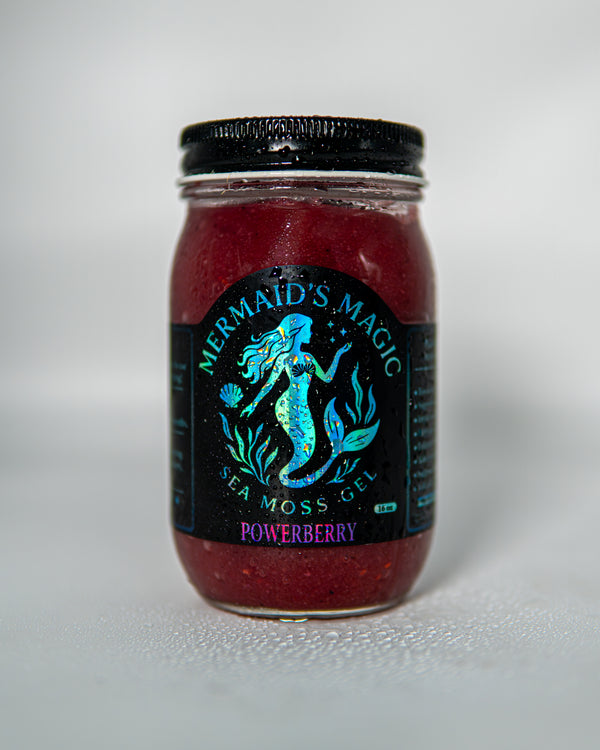
At Mermaid's Magic, our fruit-infused sea moss gels add an extra dimension to the skin benefits because real fruit brings additional skin-supporting nutrients to the table.
Our Pineapple Blue Spirulina gel, for example, combines:
- Sea moss — naturally occurring minerals, collagen-supporting sulfur and vitamin C
- Real pineapple — Bromelain (natural enzyme for skin renewal), additional vitamin C, manganese
- Blue spirulina — Phycocyanin (one of the most potent natural antioxidants known), anti-inflammatory compounds
This isn't just sea moss with flavoring added. It's a deliberately formulated combination of whole-food ingredients that work synergistically for skin health. And because we use real whole fruit — not juice concentrates or artificial flavoring — you get the full fiber, enzyme, and micronutrient profile that processed alternatives strip away.
For a deeper understanding of all the ways sea moss supports your body, check out our comprehensive guide to 15 science-backed sea moss benefits.
Ready to try sea moss? Shop our fruit-infused sea moss gel →
These statements have not been evaluated by the Food and Drug Administration. This product is not intended to diagnose, treat, cure, or prevent any disease.
Keep Reading
- DIY Sea Moss Face Mask: 5 Recipes for Glowing Skin
- The History of Sea Moss: From Caribbean Tradition to Modern Superfood
- What Is Sea Moss? The Complete Beginner's Guide to This Caribbean Superfood
- Sea Moss Nutrition Facts: The Complete Mineral Breakdown
Ready to try sea moss? Shop our fruit-infused sea moss gel collection — made with real whole fruit, wild-harvested Caribbean sea moss, and nothing artificial.