If you've been scrolling through wellness content lately, you've probably seen sea moss everywhere — in smoothies, skincare routines, and supplement shelves. But what is sea moss, exactly? And why are so many people calling it the most nutrient-dense superfood on the planet?
Sea moss is a type of red algae that grows naturally along the rocky Atlantic coastlines of the Caribbean, North America, Europe, and parts of Africa. It has been used for centuries as a food source, a natural remedy, and even a thickening agent in cooking. Today, it's experiencing a massive resurgence as modern science catches up with what traditional cultures have known for generations.
In this complete guide, we'll break down everything you need to know about sea moss — what it is, where it comes from, what's actually in it, and how you can start using it to support your health. Whether you've never heard of sea moss before or you're trying to figure out which form is right for you, this is your starting point.
What Is Sea Moss? Understanding the Basics
Sea moss — also known as Irish moss, carrageen moss, or by its scientific names Chondrus crispus and Gracilaria — is a species of spiny, edible red algae that thrives in cool to warm ocean waters. Despite its name, sea moss is not actually a moss at all. It's a type of seaweed, specifically classified as a macroalga.
There are two primary species that people refer to when they talk about sea moss:
- Chondrus crispus — The original "Irish moss" that grows in colder North Atlantic waters along the coasts of Ireland, Scotland, and parts of New England. It tends to be darker in color (purple, red, or dark green) and has a thicker, more gelatinous texture.
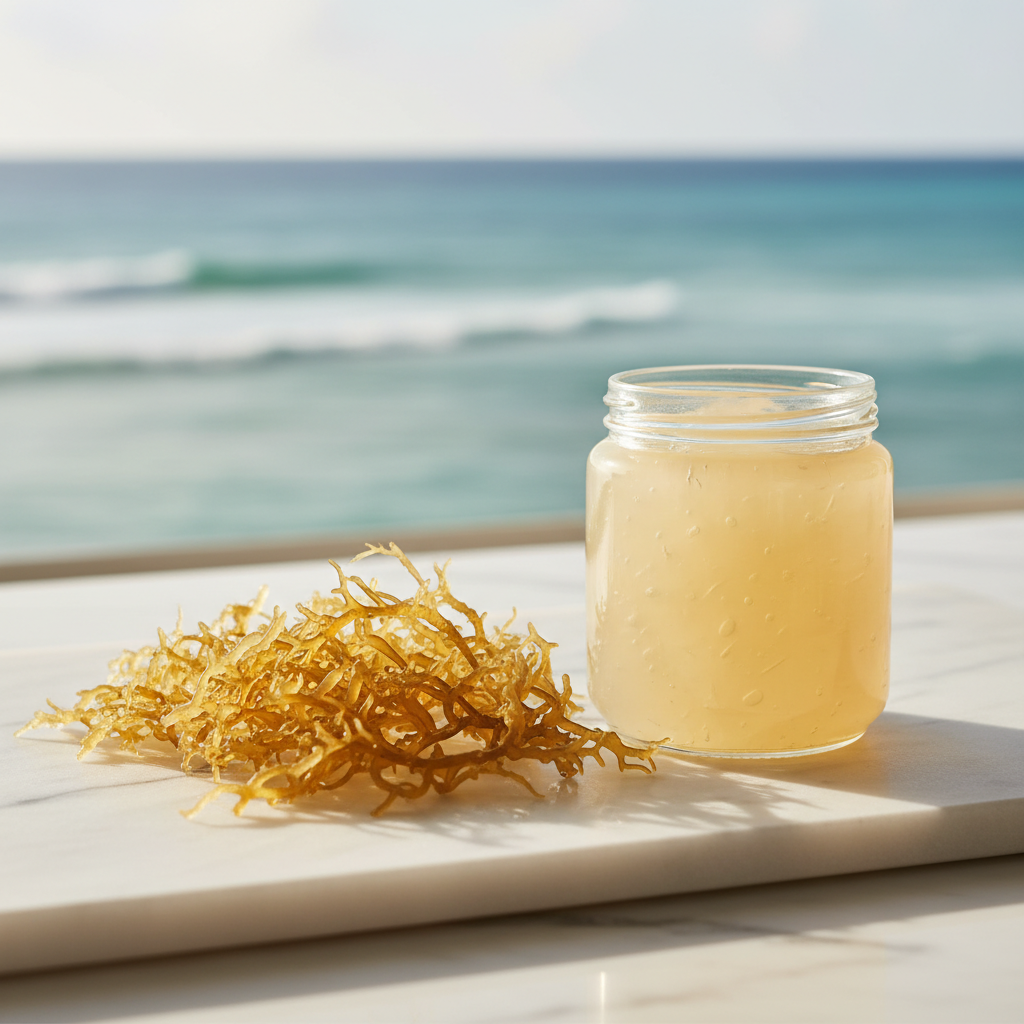
- Gracilaria — A golden or tan variety that grows in warmer Caribbean and tropical waters. This is the species most commonly sold today as "sea moss" and is prized for its milder flavor, smoother texture, and superior mineral profile.
When you see golden sea moss gel on the market — like the kind we make at Mermaid's Magic — it's typically made from Gracilaria harvested in the pristine Caribbean Sea.
The History of Sea Moss: Centuries of Traditional Use
Sea moss isn't a trendy newcomer to the wellness scene. Its use stretches back hundreds of years across multiple cultures.
In Ireland, Chondrus crispus was a critical food source during the Great Famine of the 1840s. Coastal communities harvested it from rocky shores, boiled it into a thick, nourishing gel, and used it to survive when other food was scarce. It became so embedded in Irish culture that "Irish moss" remains a common name for sea moss worldwide.
In the Caribbean, sea moss has been a staple for generations. Jamaican, Trinidadian, and other island cultures have traditionally prepared sea moss drinks — blending the gel with condensed milk, nutmeg, vanilla, and cinnamon to create a thick, creamy beverage believed to boost energy, vitality, and overall health. In many Caribbean communities, sea moss drinks are still sold by street vendors and served at family gatherings.
Across West Africa, sea moss has been used both as a food and as a traditional medicine, particularly for respiratory ailments and digestive support. These traditional uses are now being validated by modern nutritional science.
What Is Sea Moss Made Of? The Mineral-Rich Nutritional Profile
Here's where sea moss gets truly impressive. Sea moss contains a wide range of naturally occurring minerals that the human body uses to function properly. That's not marketing hype — it's a reflection of the mineral-rich ocean environment where sea moss grows.
According to the USDA National Nutrient Database, sea moss is a significant source of:
- Iodine — Essential for thyroid hormone production and metabolism regulation
- Iron — Supports oxygen transport in the blood and energy production
- Calcium — Critical for bone health, muscle function, and nerve signaling
- Magnesium — Involved in over 300 biochemical reactions including energy production and muscle recovery
- Potassium — Regulates fluid balance, muscle contractions, and heart rhythm
- Zinc — Supports immune function, wound healing, and skin health
- Selenium — A powerful antioxidant that supports thyroid function
- Vitamins A, C, E, K — Support immunity, skin health, and cellular protection
- B vitamins (B2, B9/folate) — Essential for energy metabolism and red blood cell formation
- Sulfur compounds — Support collagen production, joint health, and skin elasticity
Sea moss also contains a natural compound called carrageenan — a polysaccharide that gives it its gel-like consistency when soaked and blended. This compound acts as a prebiotic fiber, feeding the beneficial bacteria in your gut.
What makes sea moss remarkable is that all of these nutrients come in a whole-food, bioavailable form. Unlike synthetic multivitamins, the minerals in sea moss are naturally chelated and bound to natural compounds, which means your body can recognize and absorb them more efficiently.
What Are the Health Benefits of Sea Moss?
With a nutritional profile that rivals any multivitamin on the market, sea moss supports a wide range of bodily functions. Here are the most well-documented sea moss benefits:
Immune System Support
Sea moss is rich in vitamins A, C, and zinc — three nutrients that play central roles in immune defense. Vitamin C stimulates white blood cell production, while zinc is essential for the development and function of immune cells. The natural antioxidants in sea moss also help protect cells from oxidative stress caused by free radicals.
Thyroid and Metabolism Support
Your thyroid gland requires iodine and selenium to produce thyroid hormones (T3 and T4), which regulate your metabolism, energy levels, and body temperature. Sea moss is one of the richest natural sources of iodine, making it a valuable food for supporting healthy thyroid function.
Digestive Health
The mucilaginous (gel-like) texture of sea moss isn't just unique — it's functional. Sea moss acts as a prebiotic, feeding the beneficial bacteria in your gut microbiome. It also coats the lining of the stomach and digestive tract, which may help soothe irritation and support comfortable digestion.
Skin, Hair, and Nail Health
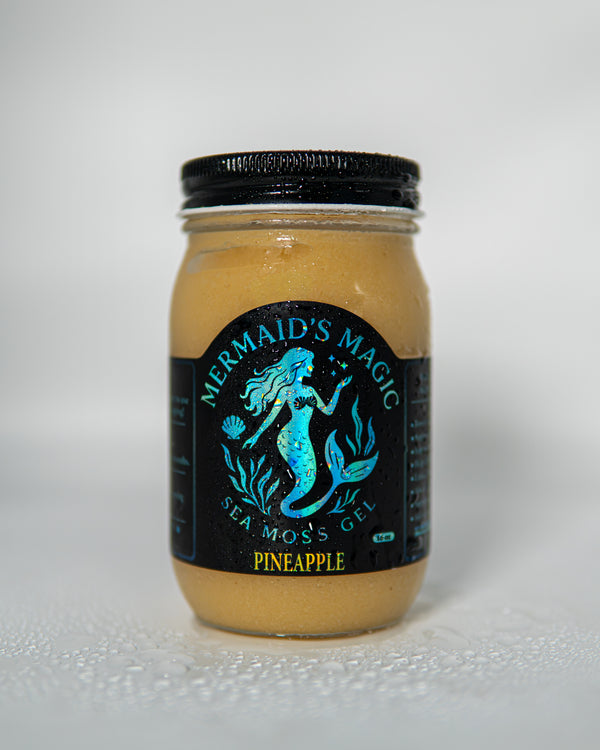
Sea moss contains sulfur compounds, vitamin C, and amino acids that support collagen production — the protein responsible for skin elasticity, hair strength, and nail growth. Many people report improvements in skin clarity and hydration within a few weeks of consistent use. This is why our Pineapple Blue Spirulina Sea Moss Gel has become a customer favorite for those focused on their glow.
Natural Energy Without the Crash
Unlike caffeine, which delivers energy through nervous system stimulation, sea moss supports energy production at the cellular level. Iron helps transport oxygen to your cells. B vitamins help convert food into usable fuel. Magnesium supports ATP production — the actual energy currency your cells use. The result is steady, sustained energy without the jitters or afternoon crash.
What Forms Does Sea Moss Come In?
Sea moss is available in several forms, each with its own advantages. Understanding the differences can help you choose the right one for your lifestyle.
Sea Moss Gel
This is the most popular and bioavailable form. Raw sea moss is soaked, cleaned, and blended with spring water into a smooth, pudding-like gel. You can eat it straight from the jar, blend it into smoothies, stir it into tea, or even use it as a face mask.
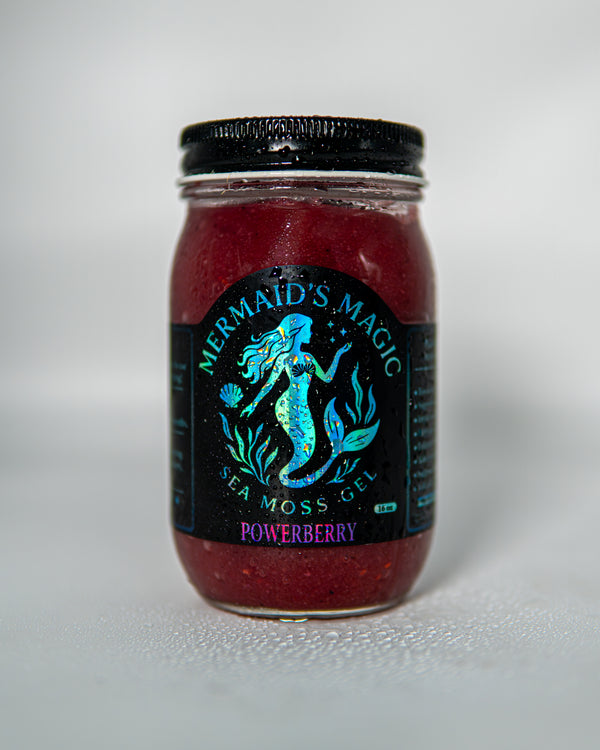
At Mermaid's Magic, we take sea moss gel a step further by blending it with real whole fruit — not juice concentrates, artificial flavors, or "natural flavoring." Our gels feature actual pineapple, mango, strawberry, and other fruits, making them genuinely delicious while preserving the full nutritional benefits of both the sea moss and the fruit.
Sea Moss Capsules
Dried, powdered sea moss packed into capsules. Convenient for people who don't enjoy the taste or texture of gel, but typically less bioavailable because the dehydration process can reduce some nutrient content. You also miss out on the prebiotic fiber benefits of the gel form.
Raw Dried Sea Moss
The whole, dried seaweed that you soak and prepare yourself at home. This gives you full control over the process, but it requires 12-24 hours of soaking, thorough cleaning, and blending. It's the most affordable option but also the most time-consuming.
Sea Moss Powder
Dried and ground into a fine powder that can be mixed into drinks, smoothies, or food. Shelf-stable and convenient, but like capsules, it lacks the gel's prebiotic mucilaginous properties.
For most people, sea moss gel is the best option because it preserves the natural gel-like polysaccharides, maximizes nutrient bioavailability, and is the most versatile in how you can use it. Our fruit-infused sea moss gels make it even easier by eliminating the preparation work entirely.
How Is Sea Moss Harvested?
Understanding how sea moss gets from the ocean to your jar is important — especially because harvesting methods directly impact quality and sustainability.
Wild-harvested sea moss is hand-picked from natural ocean rocks in clean, unpolluted waters. Harvesters wade into shallow coastal areas or dive to collect the sea moss, being careful to leave the root (holdfast) intact so it can regrow. This is the gold standard for quality because the sea moss absorbs minerals directly from mineral-rich ocean water.
Pool-grown or farmed sea moss is cultivated in man-made pools or along ropes in controlled ocean environments. While this method is more scalable, pool-grown sea moss often has a lower mineral content because it isn't exposed to the same diversity of minerals found in open ocean waters. Some pool-grown sea moss is also treated with chemicals to accelerate growth.
At Mermaid's Magic, we exclusively use wild-harvested Caribbean sea moss. Our sea moss is sourced from pristine warm waters where it grows naturally on volcanic rock formations, absorbing the full spectrum of ocean minerals over its natural growth cycle.
Why Is Sea Moss Trending Now?
Sea moss has been used for centuries, so why the sudden surge in popularity? Several factors have converged:
- Social media — Wellness influencers, athletes, and celebrities have shared their sea moss routines on TikTok, Instagram, and YouTube, bringing massive visibility to a once-niche ingredient.
- Post-pandemic health consciousness — The global health crisis accelerated interest in immune-boosting, natural supplements. People began looking for whole-food alternatives to synthetic multivitamins.
- Dr. Sebi's legacy — The late herbalist Dr. Sebi championed sea moss as a cornerstone of his alkaline diet philosophy. His teachings introduced sea moss to millions of people, particularly in Black and Caribbean communities.
- Scientific validation — Emerging research on the mineral content and bioactive compounds in sea moss has given credibility to the traditional claims. A comprehensive review published in the journal Marine Drugs highlighted the potential of red algae species as functional foods with significant nutritional value.
- Clean label movement — Consumers want supplements with recognizable, whole-food ingredients. Sea moss gel fits perfectly into this trend — especially when made with real fruit, like ours.
How to Start Using Sea Moss: A Beginner's Guide
Ready to give sea moss a try? Here's how to get started without overthinking it.
Recommended Daily Dosage
Most wellness practitioners recommend 1-2 tablespoons of sea moss gel per day. Start with one tablespoon and work up to two as your body adjusts. Because sea moss is rich in iodine, it's important not to overconsume — moderation is key, especially if you have any thyroid conditions. Always consult your healthcare provider if you're on medication or have specific health concerns.
The Easiest Ways to Take Sea Moss Gel
- In a smoothie — Add 1-2 tablespoons to your morning smoothie. The fruit in our gels blends beautifully with banana, berries, and spinach.
- Straight from the jar — Our fruit-infused gels taste good enough to eat with a spoon. Our Mango Sea Moss Gel is a customer favorite for this.
- In tea or coffee — Stir a tablespoon into warm (not boiling) tea for a mineral boost.
- In oatmeal or yogurt — Mix it into your breakfast bowl for added nutrition and creaminess.
Storage Tips
Fresh sea moss gel should be stored in the refrigerator, where it will stay fresh for 3-4 weeks. You can also freeze portions in ice cube trays for longer storage (up to 3 months). Always use a clean spoon to scoop from the jar to prevent contamination.
What to Look for When Buying Sea Moss
Not all sea moss products are created equal. Here's what to check before you buy:
- Wild-harvested vs. pool-grown — Wild-harvested is superior in mineral content. Look for brands that specify their sourcing.
- Ingredient list — Your sea moss gel should contain sea moss, spring water, and any added fruits or flavors. Avoid products with preservatives, artificial colors, or "natural flavoring" (which is often a code for synthetic additives).
- Sourcing — Reputable brands tell you where their sea moss comes from and how it is made. Mermaid's Magic sea moss is wild-harvested in the Caribbean, sun-dried, then cleaned and blended in small batches in our FDA-registered kitchen in Pensacola.
- Real fruit vs. concentrates — Many brands use fruit juice concentrates or artificial flavoring to cut costs. We use real, whole fruit because it preserves the fiber, vitamins, and enzymes that concentrates lose during processing.
- Color and texture — Quality sea moss gel should be smooth, slightly thick, and have a natural color consistent with its ingredients. Neon or overly vibrant colors are a red flag for artificial dyes.
Frequently Asked Questions About Sea Moss
Is sea moss safe for everyone?
Sea moss is generally considered safe for most adults when consumed in recommended amounts. However, people with thyroid disorders, iodine sensitivity, or those on blood-thinning medications should consult their doctor before starting. Pregnant and breastfeeding women should also seek medical guidance.
How quickly will I notice results?
Most people report feeling increased energy within the first 1-2 weeks of daily use. Skin and digestion improvements typically become noticeable after 3-4 weeks of consistent use. Like any whole-food supplement, sea moss works best as part of a sustained routine — not as a one-time fix.
Does sea moss taste bad?
Plain, unflavored sea moss gel has a mild, slightly oceanic taste that most people find neutral. When blended with real fruit — like our Pineapple Blue Spirulina or Strawberry flavors — it tastes genuinely delicious. Many of our customers tell us they look forward to their daily spoonful.
Is sea moss vegan?
Yes. Sea moss is 100% plant-based (technically algae-based). It's naturally vegan, gluten-free, dairy-free, soy-free, and non-GMO.
Start Your Sea Moss Journey
Sea moss is one of the most mineral-dense whole foods on the planet — and it's been nourishing humans for centuries. Whether you're looking to boost your energy, support your immune system, improve your skin, or simply add more whole-food nutrition to your diet, sea moss gel is a simple, effective place to start.
The key is choosing a product that's wild-harvested, made in small batches, and made with real ingredients — not shortcuts.
Ready to try sea moss? Shop our fruit-infused sea moss gel →
These statements have not been evaluated by the Food and Drug Administration. This product is not intended to diagnose, treat, cure, or prevent any disease.
Keep Reading
- Sea Moss Nutrition Facts: The Complete Mineral Breakdown
- How to Use Sea Moss Gel: 10 Easy Ways to Add It to Your Daily Routine
- The History of Sea Moss: From Caribbean Tradition to Modern Superfood
- 15 Science-Backed Sea Moss Benefits You Need to Know
Ready to try sea moss? Shop our fruit-infused sea moss gel collection — made with real whole fruit, wild-harvested Caribbean sea moss, and nothing artificial.