Published by Mermaid's Magic Sea Moss | March 2026 | 10 min read
In the world of sea vegetables and herbal wellness, few pairings have captured as much attention as sea moss and bladderwrack. These two ocean-harvested plants have been used in traditional Caribbean and Atlantic herbal medicine for generations, and modern nutritional science is beginning to understand why. Together, they provide a mineral and bioactive compound profile that neither delivers as comprehensively on its own — with thyroid support, anti-inflammatory activity, and trace mineral replenishment sitting at the top of that list.
If you're already taking sea moss gel daily and wondering whether adding bladderwrack makes sense for your wellness routine, this guide covers everything you need to know: what bladderwrack is, how its nutrient profile complements sea moss, the traditional basis for combining them, and the practical protocol for incorporating both.
What Is Bladderwrack?
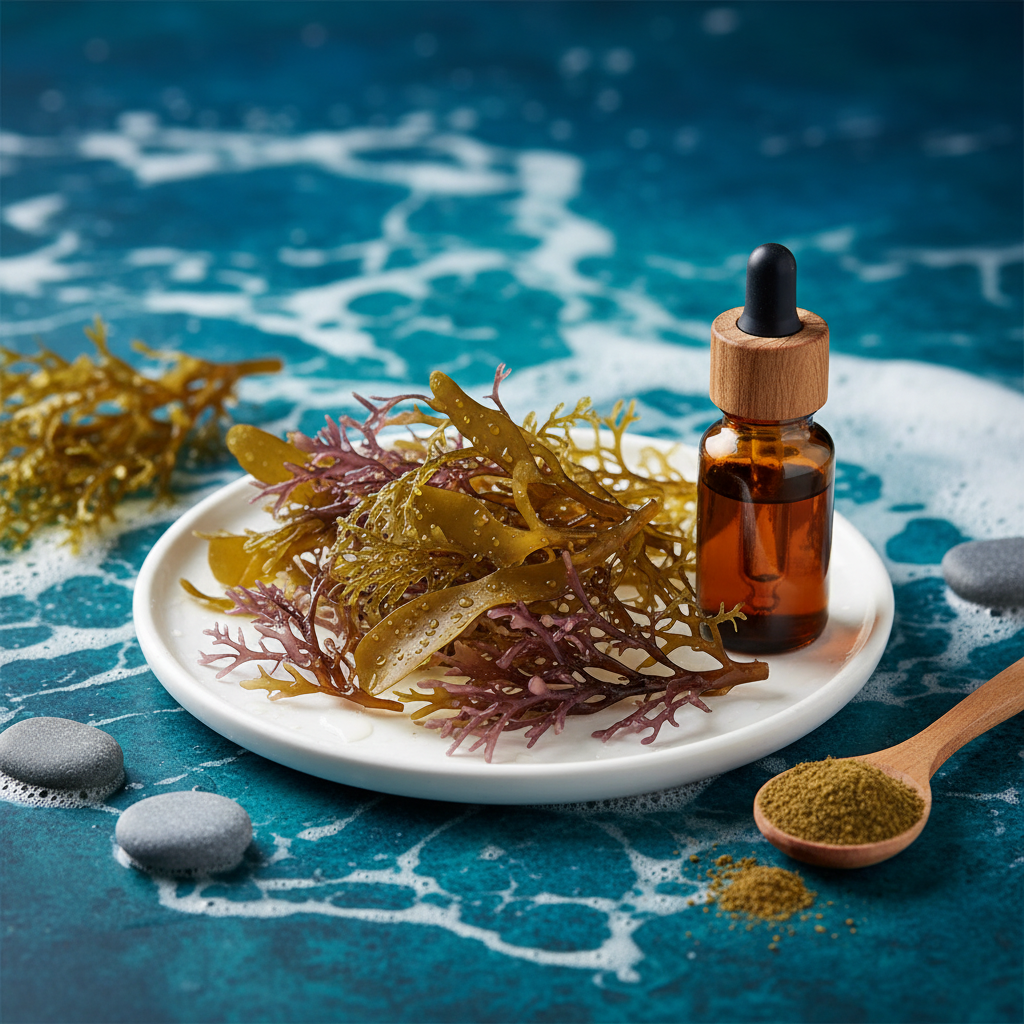
Bladderwrack (Fucus vesiculosus) is a brown seaweed — a type of fucoid algae — that grows along the rocky coastlines of the North Atlantic and North Pacific oceans, including the coasts of the British Isles, Scandinavia, Canada, and the northeastern United States. It gets its common name from the small air-filled bladders (vesicles) along its fronds, which allow it to float upright in water to maximize light exposure.
Unlike sea moss (Chondrus crispus, a red algae), bladderwrack belongs to the brown algae family — which means its chemical composition, pigments, and bioactive compounds are meaningfully different. This difference is precisely what makes combining them so interesting from a nutritional standpoint.
Bladderwrack has a documented history of use in traditional European herbal medicine dating back centuries. It was one of the first sources of iodine identified by scientists in the early 19th century and was historically prescribed by physicians for goiter — the thyroid enlargement caused by iodine deficiency. It was also used in folk medicine for joint pain, digestive complaints, and as a general tonic.
The Nutritional Profile of Bladderwrack
Bladderwrack's nutritional composition is well-suited to complement sea moss. Key compounds include:
Fucoidan
Fucoidan is a sulfated polysaccharide found exclusively in brown seaweeds like bladderwrack. It is one of the most extensively studied marine bioactive compounds, with research investigating its anti-inflammatory, antiviral, antioxidant, and potential anti-tumor properties. A comprehensive review published in Marine Drugs (NIH/PubMed) documented fucoidan's broad biological activities and noted its significant potential as a functional food component.
Sea moss contains related sulfated polysaccharides (including carrageenan) but lacks fucoidan specifically. Adding bladderwrack to a sea moss regimen introduces this additional class of bioactive compounds.
Iodine
Bladderwrack is one of the richest natural sources of iodine in the plant kingdom. Sea moss also contains iodine, but bladderwrack typically delivers it in higher concentrations. Together, the two seaweeds provide a natural, food-form source of iodine that supports thyroid hormone synthesis — the central reason the combination has been used in traditional herbal practice for thyroid support.
Alginic Acid
Unique to brown algae, alginic acid is a soluble fiber with noted benefits for gut health and gentle detoxification. It can bind to excess minerals and other substances in the digestive tract, supporting their elimination. This gentle chelating action may complement sea moss's prebiotic fiber benefits by addressing a different aspect of gut and digestive wellness.
Phlorotannins
Bladderwrack is rich in phlorotannins — polyphenol antioxidants unique to brown algae. These compounds have demonstrated anti-inflammatory and antimicrobial properties in early research and may contribute to the broad anti-inflammatory effect of the sea moss-bladderwrack combination.
Vitamins and Minerals
Bladderwrack contains vitamins A, C, E, and several B vitamins, along with minerals including calcium, magnesium, potassium, iron, and zinc — many of which overlap with sea moss's mineral profile, reinforcing the density of both rather than creating redundancy.
How Sea Moss and Bladderwrack Complement Each Other
The synergy between sea moss and bladderwrack is rooted in three principles: complementary bioactive compound classes, reinforced mineral density, and overlapping but distinct mechanisms of action.
1. Complementary Polysaccharides
Sea moss provides carrageenan-type sulfated polysaccharides. Bladderwrack provides fucoidan-type sulfated polysaccharides. Both classes have demonstrated anti-inflammatory and immunomodulatory properties, but through different receptor interactions and pathways. Together, they provide broader coverage of the body's inflammatory regulation mechanisms than either does independently.
2. Reinforced Thyroid Mineral Support
Both sea moss and bladderwrack are iodine sources, and sea moss also provides selenium — a trace mineral required for converting inactive thyroid hormone (T4) into its active form (T3). This thyroid-supporting mineral pairing — iodine from both sea vegetables, selenium specifically from sea moss — is one of the most compelling nutritional arguments for combining the two. Thyroid health depends on both minerals working in concert.
3. Expanded Antioxidant Spectrum
Sea moss provides vitamins A, C, E, and selenium as antioxidants. Bladderwrack adds phlorotannins and additional vitamin E. The combined antioxidant spectrum is broader and more diverse than either plant provides alone — important for combating the oxidative stress that underlies chronic inflammation, aging, and disease.
4. Dual Fiber Profiles
Sea moss delivers carrageenan-based prebiotic fiber that feeds beneficial gut bacteria. Bladderwrack provides alginic acid, a different type of soluble fiber with gentle binding and elimination properties. Together, they support gut health through multiple mechanisms simultaneously.
Traditional Use: A Long History of Combining Sea Vegetables
The pairing of sea moss and bladderwrack is not a modern invention. In traditional Caribbean herbal medicine, sea moss drinks have long been prepared alongside other sea vegetables and herbs. In Irish and Scottish folk medicine, fucoid seaweeds (including bladderwrack) were used as tonics alongside other algae.
The herbalist Dr. Sebi — an influential figure in Caribbean and African-American natural wellness traditions — popularized the specific combination of sea moss, bladderwrack, and burdock root in the early 2000s. His protocols contributed significantly to the current mainstream interest in sea moss and influenced how millions of people in the African-American wellness community approach these plants.
While we respect traditional knowledge systems and their role in preserving this wisdom across generations, it's also important to engage critically with health claims. The evidence base for sea moss and bladderwrack is strongest around mineral nutrition and thyroid support; more dramatic claims should be viewed with appropriate skepticism pending clinical trial evidence.
Thyroid Support: The Primary Reason for the Combination
The thyroid gland is a small, butterfly-shaped organ at the base of the neck that produces hormones governing nearly every metabolic process in the body — heart rate, body temperature, energy levels, digestion, mood, and cognitive function. Two nutrients are non-negotiable for thyroid health: iodine and selenium.
Iodine: The Building Block of Thyroid Hormones
Thyroid hormones (T3 and T4) are literally iodine molecules attached to the amino acid tyrosine. Without adequate iodine, your thyroid cannot manufacture its hormones. Deficiency leads to hypothyroidism — sluggish metabolism, fatigue, weight gain, brain fog, hair loss, cold sensitivity, and depression. The combination of sea moss and bladderwrack provides iodine in natural, food-form concentrations that the body can regulate more easily than concentrated iodine supplements.
Selenium: The Thyroid's Activator
Selenium is required by the enzyme (deiodinase) that converts T4 into the more metabolically active T3. Without adequate selenium, you can have sufficient iodine and still experience hypothyroid symptoms because the conversion step is impaired. Sea moss is a natural source of selenium, making the sea moss-bladderwrack combination a genuinely comprehensive thyroid mineral protocol.
A systematic review published in Thyroid Research (PubMed) confirmed that both iodine and selenium are essential for normal thyroid function and that populations with deficiencies of both minerals face compounded risk of thyroid disorders.
Important Cautions for Thyroid Conditions
Because both sea moss and bladderwrack are significant sources of iodine, people with existing thyroid conditions — particularly Hashimoto's thyroiditis (an autoimmune hypothyroid condition) or Graves' disease (hyperthyroidism) — should consult their endocrinologist or healthcare provider before using either plant. In autoimmune thyroid conditions, excess iodine can paradoxically worsen the condition in some individuals. This is not a reason to avoid sea vegetables categorically, but a reason to approach them with professional guidance when your thyroid is already compromised.
Anti-Inflammatory and Joint Health Benefits
Chronic low-grade inflammation drives the majority of modern chronic diseases — cardiovascular disease, type 2 diabetes, neurodegenerative conditions, and autoimmune disorders among them. Both sea moss and bladderwrack contain bioactive compounds with documented anti-inflammatory properties.
Bladderwrack's fucoidan has been particularly studied for its effects on joint inflammation. Research has investigated its ability to inhibit the same inflammatory pathways targeted by some pharmaceutical anti-inflammatory drugs — with the advantage of food-form tolerance and without the side effect profile of long-term NSAID use.
For people managing joint pain, arthritis, or inflammatory conditions, the sea moss-bladderwrack combination may provide meaningful dietary anti-inflammatory support as part of a broader treatment approach. For more on how sea moss specifically supports joint health, see our article on sea moss for joint pain and inflammation.
Gut Health and Digestive Benefits
Digestive health is where the combination of sea moss and bladderwrack delivers benefits that neither provides as fully on its own.
Sea moss acts as a prebiotic — its soluble fiber feeds the Lactobacillus and Bifidobacterium species that constitute a healthy gut microbiome. Its mucilaginous quality soothes irritated gut lining and supports the mucous membrane barrier that protects against pathogens.
Bladderwrack's alginic acid adds a complementary mechanism: it forms a viscous gel in the digestive tract that slows gastric emptying (supporting satiety and blood sugar stability), binds to excess minerals for elimination, and provides a different class of prebiotic fiber that feeds a distinct population of gut bacteria.
Together, they support microbiome diversity — increasingly recognized as a key indicator of overall health — and address digestive comfort through multiple simultaneous pathways.
How to Combine Sea Moss and Bladderwrack Practically
There are several practical ways to incorporate both sea vegetables into your daily wellness routine:
Option 1: Sea Moss Gel + Bladderwrack Powder
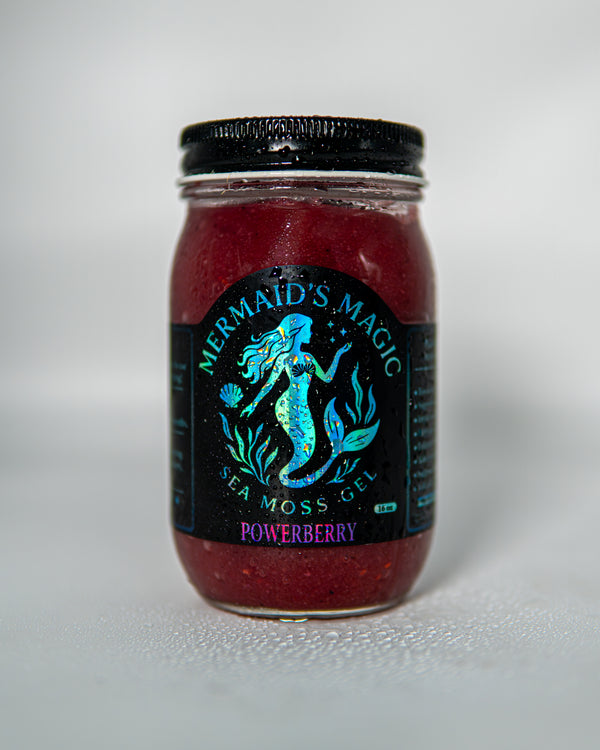
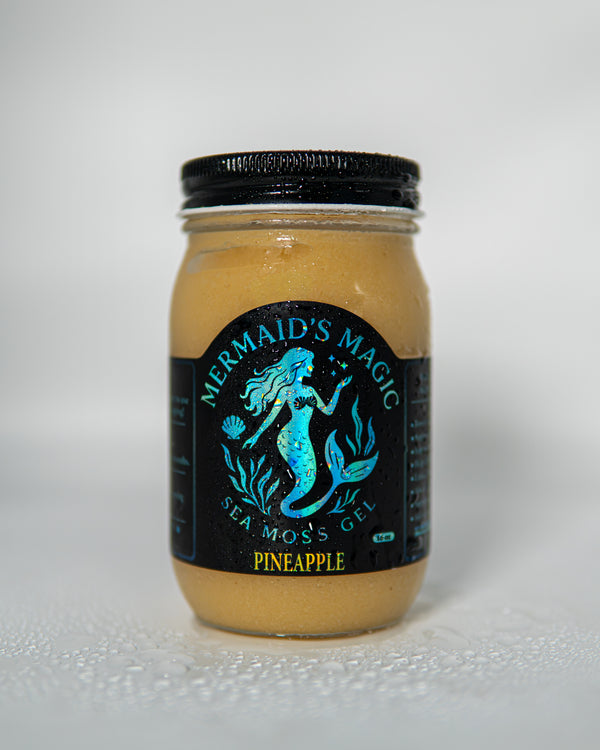
The most common approach is to take your daily serving of Mermaid's Magic Sea Moss Gel alongside a measured dose of bladderwrack powder (typically 500mg-1g per day, though follow the specific product's guidance). Add both to a morning smoothie — the sea moss provides the creamy gel texture and fruit-infused flavor, while the bladderwrack powder blends in invisibly.
Option 2: Blended Sea Moss and Bladderwrack Smoothie
Many wellness practitioners recommend blending 1 tablespoon of sea moss gel with a small amount of dried bladderwrack (or bladderwrack tincture) along with fresh fruit and your preferred liquid base. The fruits provide additional vitamins and antioxidants that round out the nutritional profile.
Option 3: Capsule Supplement Plus Gel
Some people prefer to take bladderwrack in capsule form (for precise dosing) while consuming sea moss as gel (for its food texture and whole-fruit benefits). This hybrid approach allows for accurate bladderwrack dosing while preserving the food-first experience of sea moss gel.
Starting Protocol
If you're new to combining the two, start with your established sea moss routine first. Once you're consistent with daily sea moss gel, introduce bladderwrack at a low dose (250-500mg/day) and increase gradually over two weeks. Observe how your body responds before increasing further.
What About Burdock Root? The Classic Trio
You'll frequently see sea moss, bladderwrack, and burdock root recommended as a trio. Burdock root (Arctium lappa) is a root vegetable with a long history in both European and Asian herbal traditions. It's a prebiotic food (containing inulin, a potent prebiotic fiber), a gentle liver tonic, and a source of antioxidants and trace minerals.
Burdock's primary contribution to the trio is gut health support via inulin, which feeds a different set of beneficial bacteria than sea moss's prebiotic fibers. The liver-supporting properties may also help the body more effectively metabolize and utilize the mineral nutrition from sea moss and bladderwrack. If you're taking the combination for thyroid or whole-body wellness, adding burdock root is a reasonable choice — though it's optional rather than essential.
Quality Matters: What to Look for in Both Products
Not all sea moss or bladderwrack products are equal. For the combination to deliver its full benefit, both components need to be high-quality:
- Sea moss: Wild-harvested from clean Caribbean waters, made with real whole fruit (not artificial flavoring or concentrates), no synthetic additives. At Mermaid's Magic, every jar meets these standards.
- Bladderwrack: Sourced from clean Atlantic or Pacific coastal waters (brown seaweeds can absorb pollutants such as arsenic from polluted waters, so where it is harvested matters).
The combination of sea moss and bladderwrack is only as good as the quality of each component. For sea moss, Mermaid's Magic Sea Moss Gel is your trusted starting point.
Start with the Foundation
Before adding bladderwrack, build your sea moss habit first. Mermaid's Magic delivers wild-harvested Caribbean sea moss blended with real whole fruit — the mineral-dense foundation your wellness routine needs.
Shop Sea Moss Gel →Keep Reading
- 15 Science-Backed Sea Moss Benefits You Need to Know
- What Is Sea Moss? The Complete Beginner's Guide to This Caribbean Superfood
- Sea Moss Nutrition Facts: The Complete Mineral Breakdown
- DIY Sea Moss Face Mask: 5 Recipes for Glowing Skin
Ready to try sea moss? Shop our fruit-infused sea moss gel collection — made with real whole fruit, wild-harvested Caribbean sea moss, and nothing artificial.