If you are one of the 54 million Americans living with some form of arthritis or chronic joint pain, you know the daily reality: stiffness that greets you every morning, the ache that builds throughout the day, and the constant search for relief that does not come with a long list of side effects. Increasingly, people dealing with joint pain are turning to sea moss — and the science behind why is more compelling than you might expect.
Sea moss joint pain relief is not about a miracle cure. It is about a whole-food source of anti-inflammatory compounds, bioavailable minerals, and unique polysaccharides that work together to address inflammation at its root rather than simply masking symptoms. In this guide, we will examine the specific compounds in sea moss that combat inflammation, what the research shows, and how to use sea moss as part of a practical joint health strategy.
Understanding Inflammation and Joint Pain
To understand how sea moss can help with joint pain, you first need to understand what is actually happening inside an inflamed joint.
Inflammation is your immune system's natural response to injury, infection, or irritation. In the short term, it is protective — increased blood flow brings immune cells and nutrients to damaged tissue. But when inflammation becomes chronic, it turns destructive. Your immune system begins attacking healthy tissue, breaking down cartilage, thickening the synovial membrane (the lining of your joints), and producing excess fluid that causes swelling and pain.
Chronic inflammation is the driving force behind:
- Osteoarthritis: The most common form of arthritis, caused by cartilage breakdown and characterized by pain, stiffness, and reduced range of motion.
- Rheumatoid arthritis: An autoimmune condition where the immune system attacks joint lining, causing inflammation, swelling, and eventual joint damage.
- General joint stiffness: Age-related inflammation that makes everyday movements uncomfortable even without a specific diagnosis.
- Exercise-related joint stress: Inflammation from repetitive motion, overtraining, or impact activities.
Most conventional approaches to joint pain — NSAIDs like ibuprofen, corticosteroid injections, or prescription anti-inflammatories — work by blocking inflammatory pathways. They provide real relief, but often at a cost: stomach irritation, cardiovascular risk with long-term NSAID use, and the fact that they treat symptoms without addressing underlying causes.
Sea moss takes a different approach.
Anti-Inflammatory Compounds in Sea Moss
Sea moss contains several classes of compounds with demonstrated anti-inflammatory properties. What makes sea moss particularly interesting is that these compounds work through multiple mechanisms — they are not just blocking one inflammatory pathway like an NSAID does. They are modulating inflammation from several directions simultaneously.
Sulfated Polysaccharides
The sulfated polysaccharides in sea moss — including carrageenan, fucoidan, and agar — are arguably the most studied anti-inflammatory compounds in marine algae. These large sugar molecules have a unique chemical structure that allows them to interact with immune cells and inflammatory signaling pathways.
A comprehensive review published in Marine Drugs examined the anti-inflammatory activity of sulfated polysaccharides from various seaweed species and found consistent evidence that these compounds suppress the production of pro-inflammatory cytokines (signaling molecules that amplify inflammation) including TNF-alpha, IL-1beta, and IL-6 (PubMed, 2019). These are the same cytokines that drive chronic joint inflammation.
What makes sulfated polysaccharides especially promising is that they appear to modulate inflammation rather than simply suppressing it. They can dial down overactive inflammatory responses while leaving normal immune function intact — a subtlety that synthetic anti-inflammatories often lack.
Omega-3 Fatty Acids
While sea moss is not as rich in omega-3s as fatty fish, it does contain alpha-linolenic acid (ALA) and eicosapentaenoic acid (EPA) — two omega-3 fatty acids with well-established anti-inflammatory effects. Omega-3s work by:
- Competing with omega-6 fatty acids for incorporation into cell membranes, shifting the balance toward anti-inflammatory signaling
- Serving as precursors for resolvins and protectins — specialized molecules that actively resolve inflammation
- Reducing the production of inflammatory eicosanoids from arachidonic acid
The omega-3 content of sea moss is modest compared to fish oil, but it contributes to the overall anti-inflammatory profile of the food. Combined with the sulfated polysaccharides and antioxidants, it creates a comprehensive anti-inflammatory effect.
Antioxidants
Oxidative stress and inflammation are intimately connected — they feed each other in a cycle that accelerates joint damage. Sea moss contains several classes of antioxidants that help break this cycle:
- Beta-carotene: Particularly abundant in Caribbean golden sea moss, this carotenoid neutralizes free radicals and has been linked to reduced inflammatory markers in clinical studies.
- Fucoxanthin: A unique marine carotenoid with both antioxidant and anti-inflammatory properties. Research suggests it may inhibit the NF-kB pathway, a master switch for inflammatory gene expression.
- Vitamin C: A well-known antioxidant that also supports collagen synthesis — directly relevant to cartilage repair and maintenance.
- Vitamin E: Fat-soluble antioxidant that protects cell membranes from oxidative damage.
Minerals That Support Joint Health
Beyond its anti-inflammatory compounds, sea moss provides naturally occurring minerals, several of which play direct roles in joint health:
- Sulfur: A key component of glucosamine and chondroitin — the building blocks of cartilage. Sulfur is also required for the production of glutathione, your body's master antioxidant.
- Manganese: Essential for the formation of cartilage and bone. Manganese is a cofactor for enzymes involved in building glycosaminoglycans, the structural molecules of cartilage.
- Selenium: Works with vitamin E to protect joints from oxidative damage. Selenium deficiency has been linked to increased severity of osteoarthritis.
- Magnesium: Deficiency is associated with elevated inflammatory markers. Adequate magnesium helps regulate the immune response and may reduce inflammation-related pain.
- Calcium: Essential for bone health and works with magnesium to support proper muscle and joint function.
- Potassium: Helps regulate fluid balance in joints and supports proper nerve-muscle communication.
What the Research Says About Seaweed and Joint Inflammation
While research specifically on sea moss (Chondrus crispus and Gracilaria) and joint pain is still emerging, the broader body of research on seaweed and marine algae provides encouraging evidence:
In Vitro Studies
In vitro studies have shown that extracts from red seaweed (the family that includes sea moss) can significantly reduce the production of nitric oxide and prostaglandin E2 — two key mediators of inflammation and pain — in human cell cultures. These effects were comparable to some synthetic anti-inflammatory compounds.
Animal Studies
A study published in the International Journal of Biological Macromolecules found that sulfated polysaccharides from red seaweed reduced joint inflammation and cartilage degradation in animal models of arthritis (NIH, 2020). The researchers noted that the anti-inflammatory effect appeared to work through multiple pathways, suggesting a broad-spectrum mechanism.
Human Evidence
Human clinical trials specifically on sea moss and joint pain are limited. However, populations with high dietary seaweed consumption — particularly in Japan, Korea, and the Caribbean — consistently show lower rates of inflammatory conditions, including arthritis. While this is correlational (not proof of causation), it aligns with the cell-culture and animal evidence.
Setting Realistic Expectations
The research is promising but not conclusive enough to call sea moss a proven joint pain treatment. What we can say is that sea moss contains multiple compound classes with demonstrated anti-inflammatory activity, provides minerals essential for joint maintenance and repair, and has centuries of traditional use for joint and inflammatory conditions. That is a strong foundation, even as we await more targeted human clinical trials.
How to Use Sea Moss for Joint Pain Support
If you are incorporating sea moss into your joint health routine, here is how to do it effectively.
Daily Serving
One to two tablespoons of sea moss gel per day is the standard recommendation. For joint support specifically, consistency matters far more than quantity. Anti-inflammatory effects from dietary changes typically take two to four weeks to become noticeable, and continue to build over time with regular use.
Best Times to Take Sea Moss for Joint Pain
- Morning: Taking sea moss first thing can help reduce the stiffness that often peaks after a night of inactivity. A morning smoothie with fruit-infused sea moss gel provides both anti-inflammatory compounds and hydration.
- Post-workout: If exercise-related inflammation is contributing to your joint pain, taking sea moss after activity delivers minerals and anti-inflammatory compounds when your body needs them most.
- Before bed: Some people find that evening sea moss consumption helps with overnight stiffness, potentially because the minerals support muscle relaxation and recovery during sleep.
Combining Sea Moss with Other Joint-Friendly Foods
Sea moss works best as part of a broader anti-inflammatory dietary approach. Consider pairing it with:
- Turmeric and black pepper: Curcumin in turmeric is one of the most studied natural anti-inflammatory compounds. Black pepper increases curcumin absorption by up to 2,000%.
- Ginger: Contains gingerols with anti-inflammatory properties that may complement the compounds in sea moss.
- Fatty fish: Salmon, sardines, and mackerel provide high-dose omega-3s that work alongside the omega-3s and sulfated polysaccharides in sea moss.
- Berries: Rich in anthocyanins — antioxidants with demonstrated anti-inflammatory effects. Our blueberry sea moss gel combines sea moss with real whole blueberries for this exact synergy.
- Leafy greens: Provide additional magnesium and antioxidants that support joint health.
- Bone broth: Contains collagen, glucosamine, and chondroitin that directly support cartilage repair.
The Anti-Inflammatory Smoothie for Joint Health
Here is a recipe that combines several joint-supporting ingredients:
- 1 tablespoon Mermaid's Magic sea moss gel (any flavor)
- 1 cup frozen berries (blueberries are especially anti-inflammatory)
- 1/2 teaspoon turmeric powder
- Pinch of black pepper
- 1/2-inch piece of fresh ginger
- 1 cup coconut water or almond milk
- 1 tablespoon ground flaxseed (additional omega-3s)
Blend until smooth. This delivers anti-inflammatory compounds from five different sources in a single glass.
Sea Moss vs. OTC Anti-Inflammatories: An Honest Comparison
Let us be straightforward about how sea moss compares to conventional joint pain treatments:
Where Sea Moss Has an Advantage
- No stomach damage: Long-term NSAID use is the second most common cause of stomach ulcers. Sea moss actually soothes the gut lining rather than eroding it.
- No cardiovascular risk: NSAIDs (particularly at high doses or with prolonged use) carry documented cardiovascular risks. Sea moss has no such association.
- Multi-mechanism approach: Sea moss addresses inflammation through multiple pathways simultaneously, while most drugs target a single pathway.
- Additional nutritional benefits: While managing inflammation, sea moss also provides naturally occurring minerals, prebiotic fiber, and antioxidants. An ibuprofen pill provides only pain relief.
- No dependency: Unlike some pain medications, sea moss does not create tolerance or dependency.
Where OTC Anti-Inflammatories Have an Advantage
- Speed of relief: An ibuprofen takes effect within 30-60 minutes. Sea moss works gradually over weeks. For acute pain, conventional medicine works faster.
- Potency: For severe inflammation, the anti-inflammatory effect of sea moss may not be sufficient on its own. Prescription or OTC medication may be necessary.
- Proven dosing: The dose-response relationship of ibuprofen and other NSAIDs is well-established. The optimal dose of sea moss for anti-inflammatory effects is not precisely defined.
- Clinical validation: NSAIDs have undergone rigorous clinical trials for joint pain. Sea moss has promising but less extensive human clinical data.
The most practical approach for many people is to use sea moss as a daily foundation for long-term anti-inflammatory support while keeping conventional options available for acute flare-ups — all under the guidance of their healthcare provider.
Exercise and Movement: The Essential Partner
No discussion of joint pain management is complete without addressing exercise. It seems counterintuitive — you are in pain, so why move? — but regular, appropriate exercise is one of the most effective interventions for joint health:
- Strengthens muscles around joints, reducing the load on cartilage and ligaments
- Maintains range of motion and prevents the stiffness that worsens with inactivity
- Promotes joint lubrication — movement stimulates the production of synovial fluid
- Reduces systemic inflammation through its effects on immune regulation
- Supports healthy body weight, reducing mechanical stress on weight-bearing joints
Sea moss complements an exercise routine by providing minerals for muscle recovery (potassium and magnesium prevent cramping), anti-inflammatory compounds to manage exercise-induced inflammation, and the hydrating gel-like consistency that helps maintain electrolyte balance during activity.
Low-impact activities like swimming, cycling, walking, yoga, and tai chi are generally safest for people with joint pain. A fruit-infused sea moss gel before or after activity can provide mineral replenishment and anti-inflammatory support in a single serving.
Setting Realistic Expectations
We want to be clear about what sea moss can and cannot do for joint pain:
Sea moss can:
- Provide anti-inflammatory compounds that may reduce chronic, low-grade inflammation over time
- Supply minerals essential for cartilage maintenance and joint function
- Offer antioxidant protection against oxidative stress that accelerates joint damage
- Support overall health in ways that indirectly benefit joint function (gut health, hydration, mineral balance)
- Serve as a complement to other joint health strategies
Sea moss cannot:
- Reverse structural joint damage or rebuild destroyed cartilage
- Replace medical treatment for severe arthritis or autoimmune joint conditions
- Provide immediate pain relief for acute joint flare-ups
- Cure any disease (and anyone claiming otherwise is not being truthful)
Think of sea moss as a long-term investment in your joint health rather than a quick fix. Combined with regular movement, an anti-inflammatory diet, adequate hydration, and appropriate medical care, it can be a valuable part of your joint health toolkit.
Getting Started with Sea Moss for Joint Support
If you are ready to incorporate sea moss into your joint health routine, start with one tablespoon daily and maintain consistency for at least four weeks before evaluating results. Keep a simple journal noting your pain levels, stiffness, and range of motion so you can objectively track changes over time.
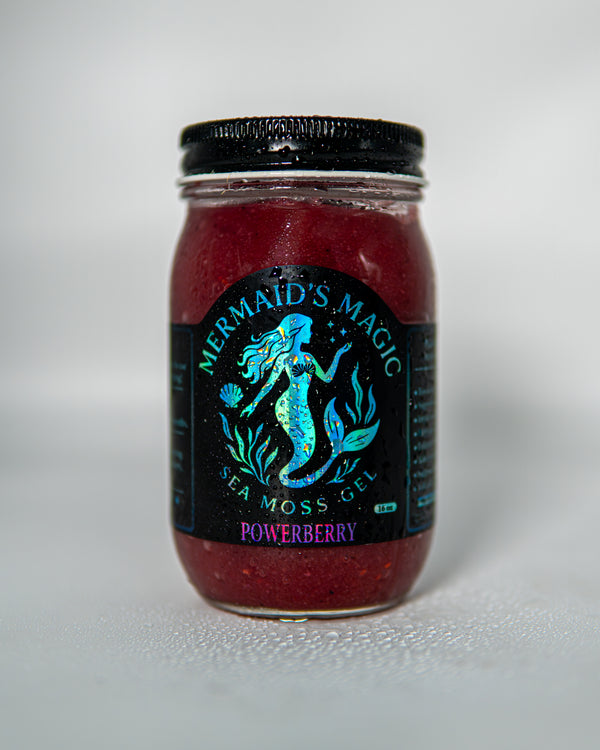
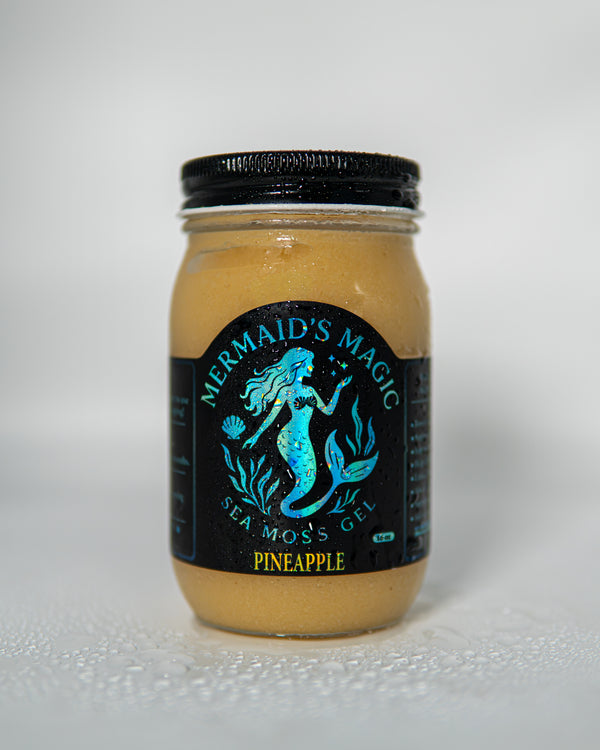
Our fruit-infused sea moss gels are made with wild-harvested Caribbean sea moss and real whole fruit — not juice concentrates or artificial flavoring. The whole fruit adds its own anti-inflammatory polyphenols and antioxidants, making each serving a more comprehensive anti-inflammatory food than plain sea moss gel alone.
Explore our sea moss gel collection and find the flavor that makes your daily anti-inflammatory ritual something you actually look forward to. Because the best joint health strategy is the one you will actually stick with.
Disclaimer: This article is for informational purposes only and is not intended as medical advice. Consult your healthcare provider before using sea moss or any supplement for joint pain or inflammatory conditions. These statements have not been evaluated by the Food and Drug Administration. This product is not intended to diagnose, treat, cure, or prevent any disease.
Keep Reading
- How Sea Moss Supports Your Immune System Year-Round
- Sea Moss Nutrition Facts: The Complete Mineral Breakdown
- Sea Moss for Athletes: Recovery, Performance & Endurance
- Sea Moss for Energy: A Natural Alternative to Caffeine | Mermaid's Magic Sea Moss
Ready to try sea moss? Shop our fruit-infused sea moss gel collection — made with real whole fruit, wild-harvested Caribbean sea moss, and nothing artificial.