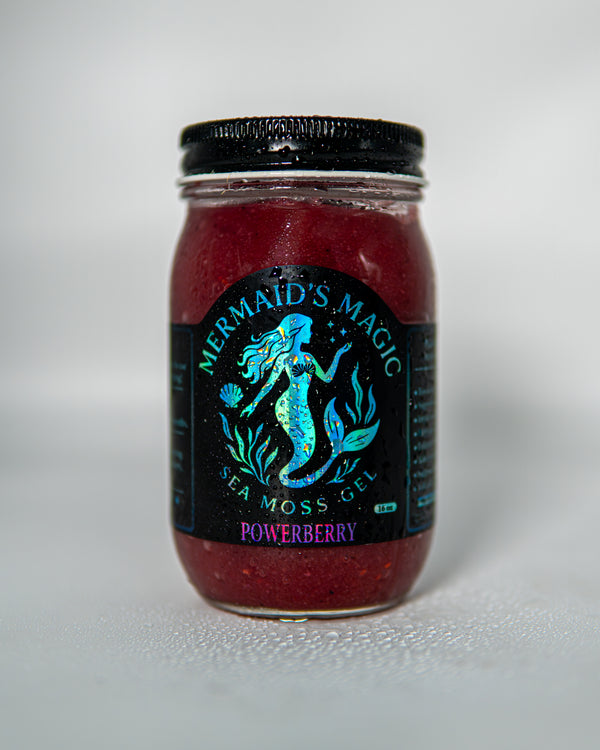
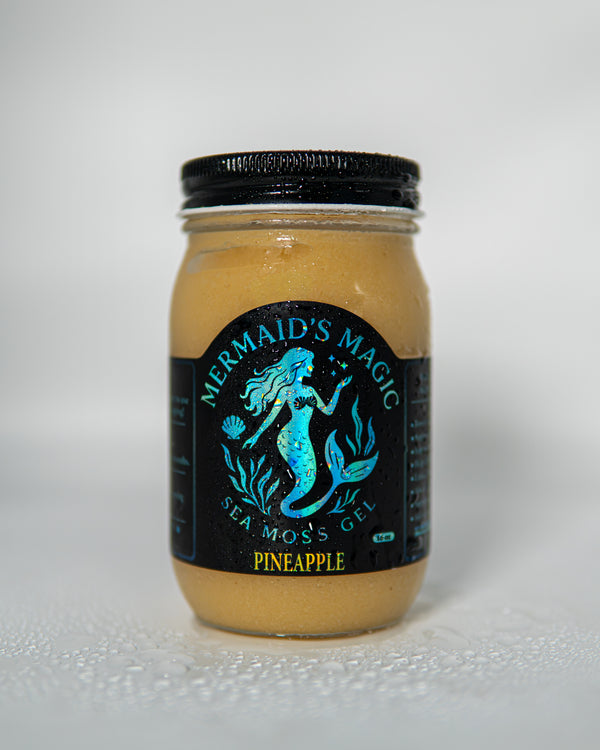
If you're researching sea moss side effects before trying it, good — that tells us you're the kind of person who makes informed decisions about what goes into your body. We respect that. At Mermaid's Magic, we believe transparency builds more trust than hype ever could, so we're going to give you the complete, honest picture: what sea moss can do, what side effects are possible, who should be cautious, and how to use it safely.
The short answer to "is sea moss safe?" is yes — for most healthy adults, sea moss consumed in recommended amounts is safe and well-tolerated. But like any nutrient-dense food, there are nuances worth understanding. Let's break them down thoroughly.
Common Sea Moss Side Effects and Why They Happen
Most people experience zero negative side effects from sea moss. However, a small percentage of new users report mild, temporary effects during the first week or two. Understanding why these happen can help you manage them effectively.
Digestive Adjustment
The most commonly reported sea moss side effect is temporary digestive change. This can manifest as:
- Mild bloating or gas during the first few days
- Slightly looser stools or increased bowel movements
- A feeling of fullness after consuming sea moss
Why this happens: Sea moss is rich in prebiotic fiber — a type of carbohydrate that feeds beneficial bacteria in your gut. When you introduce significant prebiotic fiber to your diet, your gut microbiome responds by increasing activity. This adjustment period is actually a sign that your gut bacteria are being positively stimulated, but it can feel uncomfortable initially.
How to manage it: Start with a smaller serving (1 teaspoon instead of 1-2 tablespoons) and gradually increase over 1-2 weeks. This gives your digestive system time to adjust. Drink plenty of water, which helps fiber move through your system smoothly. Most people find digestive symptoms resolve completely within 5-7 days.
Iodine Sensitivity
Sea moss is one of the richest natural sources of iodine. While most people need more iodine than they're getting, some individuals are sensitive to sudden increases in iodine intake. Symptoms of excess iodine can include:
- A metallic or brassy taste in the mouth
- Mild nausea
- Increased salivation
- Skin breakouts (sometimes called "detox acne" — more on this below)
- In rare cases, throat tightness or swelling (stop use immediately and consult a doctor)
Why this happens: If your body has been iodine-depleted for a long time, a sudden influx can temporarily overwhelm your thyroid's processing capacity. Additionally, some people have genetic variations that make them more sensitive to iodine fluctuations.
How to manage it: Again, gradual introduction is key. Start low and increase slowly. If symptoms persist beyond the first week at low doses, reduce further or discontinue and consult your healthcare provider.
Skin Breakouts During Initial Use
Some people experience temporary skin breakouts when they first start taking sea moss. This is often interpreted (particularly on social media) as "detoxification," but let's be scientifically accurate about what's likely happening.
Possible explanations for initial breakouts:
- Iodine-related: Excess iodine can trigger or worsen acne in some individuals by stimulating oil production in the sebaceous glands
- Gut microbiome shifts: Changes in gut bacteria can temporarily affect skin health through the gut-skin axis
- Increased mineral intake: Higher zinc and selenium intake can temporarily stimulate skin cell turnover
How to manage it: Reduce your dose and increase slowly. For most people, breakouts clear within 2-3 weeks as the body adjusts. If breakouts are severe or persistent, this may indicate an iodine sensitivity and you should consult a dermatologist.
Mild Headache
A small number of users report mild headaches during the first few days of sea moss use. This is typically attributed to changes in mineral balance, particularly increased magnesium and potassium intake affecting blood pressure and hydration.
How to manage it: Stay well-hydrated. Headaches during dietary changes are often related to insufficient water intake. If headaches persist beyond 3-4 days, reduce your serving size.
Who Should Avoid or Be Cautious with Sea Moss
While sea moss is safe for the vast majority of people, certain groups should exercise caution or avoid it entirely. This isn't a marketing disclaimer — it's genuine medical consideration.
People Taking Thyroid Medication
If you take levothyroxine (Synthroid), liothyronine (Cytomel), methimazole (Tapazole), or any other thyroid medication, do not start sea moss without consulting your doctor. The iodine in sea moss can interact with thyroid medications, potentially altering your medication needs or effectiveness.
This doesn't mean sea moss is incompatible with thyroid conditions — many people with hypothyroidism benefit from the natural iodine. But dosage adjustments to your medication may be necessary, and only your prescribing physician can determine that. For more detail, read our dedicated article on sea moss and thyroid health.
People with Hyperthyroidism or Graves' Disease
If your thyroid is already overactive, adding iodine-rich sea moss could potentially worsen symptoms. People with confirmed hyperthyroidism should avoid sea moss unless specifically cleared by their endocrinologist.
People on Blood Thinners
Sea moss contains vitamin K and has mild anticoagulant properties. If you take warfarin (Coumadin) or other blood-thinning medications, the vitamin K content could potentially interact with your medication. Consult your doctor before adding sea moss to your routine, as your INR levels may need monitoring.
People on Blood Pressure Medications
Sea moss is rich in potassium, which can affect blood pressure. If you take ACE inhibitors, potassium-sparing diuretics, or other medications that affect potassium levels, adding a potassium-rich food like sea moss requires medical guidance.
Pregnant and Breastfeeding Women
While sea moss has been used traditionally during pregnancy in Caribbean cultures, the increased iodine intake can affect both maternal thyroid function and fetal development. Pregnant and breastfeeding women have different nutritional needs, and iodine requirements change during pregnancy. Consult your OB-GYN or midwife before using sea moss during pregnancy or while breastfeeding.
People with Shellfish Allergies — A Common Misconception
This one needs clarification because it's widely misunderstood. Sea moss is not a shellfish. It's a species of red algae (a sea vegetable). Shellfish allergies are caused by proteins found in crustaceans (shrimp, crab, lobster) and mollusks (clams, mussels, oysters). Sea moss does not contain these proteins.
That said, if you have a severe shellfish allergy, there is a theoretical (though unproven) risk of cross-contamination if sea moss was harvested or processed in facilities that also handle shellfish. At Mermaid's Magic, our sea moss is wild-harvested and processed in a dedicated facility. If you have a severe allergy, we recommend starting with a very small amount and monitoring for any reaction, or consulting your allergist.
People with Kidney Disease
The high mineral content of sea moss — particularly potassium — can be problematic for people with impaired kidney function. Healthy kidneys regulate mineral levels efficiently, but compromised kidneys may not be able to process the additional mineral load. If you have chronic kidney disease or are on dialysis, consult your nephrologist before using sea moss.
Proper Sea Moss Dosage: How Much Is Safe?
Getting the dosage right is the single most important factor in using sea moss safely and effectively. More is not always better with nutrient-dense superfoods.
Recommended Daily Dosage
For most healthy adults, the general consensus among sea moss practitioners and nutrition professionals is:
- Standard daily dose: 1-2 tablespoons (15-30g) of sea moss gel per day
- Starting dose for beginners: 1 teaspoon (5g) for the first 3-5 days, increasing gradually
- Maximum daily dose: 2 tablespoons (30g) — exceeding this provides no additional benefit and increases risk of excess iodine intake
Dosage for Specific Goals
- General wellness maintenance: 1 tablespoon daily
- Energy and performance: 1-2 tablespoons daily, ideally before noon
- Digestive support: 1 tablespoon daily, taken with meals
- Skin and beauty: 1-2 tablespoons daily (internal), plus optional topical application
- Thyroid support: Start at 1 teaspoon and increase slowly while monitoring symptoms
Can You Take Too Much Sea Moss?
Yes. While sea moss is a food rather than a medication, overconsumption is possible and can lead to:
- Excess iodine intake: The tolerable upper limit for iodine is 1,100 micrograms per day for adults, according to the National Institutes of Health Office of Dietary Supplements. Iodine content in sea moss varies by batch and species, but staying within 1-2 tablespoons of gel daily keeps most people well within safe limits.
- Mineral imbalance: Very high consumption over extended periods could theoretically shift mineral ratios in ways your body needs to compensate for
- Digestive discomfort: Excess fiber and mucilage from overconsumption can cause significant bloating and digestive upset
The takeaway: stick to 1-2 tablespoons daily. This provides ample nutritional benefit with minimal risk. Sea moss is a marathon, not a sprint — consistent moderate use over months yields far better results than excessive short-term consumption.
Why Quality and Sourcing Are Critical for Safety
The safety profile of sea moss depends enormously on where it comes from and how it's processed. This is perhaps the most important section in this article, because many sea moss side effects that people report online are actually caused by low-quality product — not by sea moss itself.
Contamination From Polluted Waters
Sea moss absorbs minerals from its environment. That's what makes it so nutritionally dense. But it also means that sea moss harvested from polluted waters can contain dangerous levels of contaminants such as:
- Lead — Neurotoxin that accumulates in the body over time
- Arsenic — Carcinogenic at chronic low-level exposure
- Cadmium — Damages kidneys and bones with prolonged exposure
- Mercury — Neurotoxin particularly dangerous for pregnant women and children
This is not a theoretical risk. Studies on commercially available seaweed products have found that some exceed safe limits for one or more contaminants. The variation between brands is enormous and often invisible to consumers.
At Mermaid's Magic, our sea moss is wild-harvested in the Caribbean, sun-dried, then cleaned and blended in small batches in our FDA-registered kitchen in Pensacola, Florida. We source exclusively from pristine Caribbean waters, far from industrial pollution, shipping lanes, and agricultural runoff. We share how our gel is made because we believe knowing what's in your food isn't optional — it's the bare minimum.
Pool-Grown vs. Wild-Harvested
A significant portion of sea moss on the market today is "pool-grown" or farm-cultivated. While farming isn't inherently bad, pool-grown sea moss is typically:
- Grown in artificial saltwater tanks or shallow coastal pools
- Often treated with chemicals to speed growth
- Lower in mineral content because it's not absorbing minerals from real ocean water
- Sometimes bleached or color-treated to look more appealing
- Growing conditions often undisclosed
Wild-harvested sea moss grows naturally on ocean rocks and rope lines in its native Caribbean habitat. It develops its full mineral profile from the mineral-rich seawater and undergoes natural quality controls — sun bleaching, tidal exposure, and seasonal growth cycles that produce a genuinely superior product.
Additives in Flavored Products
Many flavored sea moss gels on the market use juice concentrates, "natural flavoring" (which can be derived from dozens of chemical compounds), artificial sweeteners, preservatives, and thickening agents. These additives can cause their own side effects that get attributed to "sea moss."
When someone says "sea moss made my stomach upset" and they're using a product with five additives, was it really the sea moss? We can't say for certain, but we can say that using real whole fruit — as we do at Mermaid's Magic — eliminates an entire category of potential irritants. Our gels contain two things: wild-harvested sea moss and freshly blended real fruit. That's it.
How to Start Sea Moss Safely: A Week-by-Week Guide
If you're convinced that sea moss is right for you and you want to start safely, here's our recommended approach:
Week 1: Introduction
- Start with 1 teaspoon of sea moss gel daily
- Take it in the morning with food
- Note any digestive changes, energy levels, or skin changes in a simple journal
- Drink at least 8 glasses of water daily
Week 2: Gradual Increase
- If Week 1 went well, increase to 2 teaspoons daily
- Continue monitoring how you feel
- If you experienced any digestive adjustment in Week 1, stay at 1 teaspoon until symptoms resolve
Week 3: Full Dose
- Increase to 1 tablespoon daily — this is the standard maintenance dose
- By now, any digestive adjustment should have resolved
- You may begin noticing improvements in energy, skin, and overall well-being
Week 4 and Beyond: Optimization
- If you want to increase to 2 tablespoons daily, do so now
- Settle into a consistent daily routine — same time, same method
- Continue for at least 6-8 weeks before evaluating full results
- Consider getting baseline bloodwork before starting and follow-up labs after 2-3 months
Red Flags: When to Stop and See a Doctor
While serious adverse reactions to sea moss are rare, stop use immediately and consult a healthcare provider if you experience:
- Throat swelling or difficulty breathing (could indicate an allergic reaction)
- Rapid heartbeat or heart palpitations
- Significant unexplained weight changes
- Severe digestive symptoms that don't improve after reducing dose
- Skin rash or hives
- Symptoms of hyperthyroidism: anxiety, tremors, excessive sweating, heat intolerance
- Any symptom that feels severe, unusual, or concerning
Trust your body. If something feels wrong, it's worth getting checked out. No superfood — no matter how beneficial — is worth ignoring warning signals from your body.
Sea Moss and Medication Interactions: A Summary
Here's a quick-reference table of medications that may interact with sea moss. If you take any of these, consult your prescribing physician before starting sea moss:
- Thyroid medications (levothyroxine, methimazole) — iodine content may alter medication effectiveness
- Blood thinners (warfarin, heparin) — vitamin K content may affect clotting factors
- Blood pressure medications (ACE inhibitors, potassium-sparing diuretics) — potassium content may affect levels
- Lithium — iodine can affect lithium levels and thyroid function in lithium users
- Diabetes medications — sea moss may affect blood sugar levels, potentially requiring dose adjustments
- Immunosuppressants — sea moss's immune-supporting properties could theoretically counteract immunosuppressive therapy
The Bottom Line: Is Sea Moss Safe?
For the vast majority of healthy adults, yes — sea moss is safe, beneficial, and well-tolerated when consumed in recommended amounts from a quality source. The key factors for safe use are:
- Quality sourcing: Wild-harvested sea moss from clean waters
- Proper dosage: 1-2 tablespoons daily, starting low and building up
- Gradual introduction: Give your body time to adjust
- Medical awareness: Consult your doctor if you take medications or have chronic conditions
- Consistency: Daily use over weeks and months yields the best results
We wrote this article not to scare you away from sea moss, but because we believe you deserve complete information. An educated consumer is our best customer. When you understand both the benefits and the considerations, you can use sea moss confidently and effectively as part of your wellness routine.
Ready to try sea moss from a brand that prioritizes transparency and quality? Shop our wild-harvested, fruit-infused sea moss gel — made with real whole fruit, no additives, and made in small batches in our FDA-registered kitchen.
Keep Reading
- 15 Science-Backed Sea Moss Benefits You Need to Know
- What Is Sea Moss? The Complete Beginner's Guide to This Caribbean Superfood
- Sea Moss Nutrition Facts: The Complete Mineral Breakdown
- DIY Sea Moss Face Mask: 5 Recipes for Glowing Skin
Ready to try sea moss? Shop our fruit-infused sea moss gel collection — made with real whole fruit, wild-harvested Caribbean sea moss, and nothing artificial.