Published by Mermaid's Magic Sea Moss | March 2026 | 10 min read
Brain fog is one of the most common complaints in modern wellness conversations — and one of the least satisfying to address, because it rarely has a single, obvious cause. You know the feeling: the mental sluggishness that makes concentration feel like wading through wet cement, the inability to hold a thought, the low-grade fatigue that a second cup of coffee barely dents. Sea moss for mental clarity is a topic that deserves a serious, honest treatment — because while sea moss is not a nootropic drug, the mineral and bioactive compound profile it delivers is directly relevant to several of the root causes that make brains underperform.
This article covers the brain-nourishing nutrients in sea moss, the critical gut-brain axis connection, how specific mineral deficiencies create cognitive symptoms, and a daily protocol for supporting cognitive performance with sea moss as the foundation. We'll be evidence-based and honest about what we know and what we don't — because your brain deserves better than hype.
If you're already taking Mermaid's Magic Sea Moss Gel and wondering whether it might be doing something for your mental performance, the science suggests: yes, it very likely is.
The Brain Is a Mineral-Hungry Organ
Your brain accounts for roughly 2% of your body weight but consumes approximately 20% of your body's energy and a disproportionate share of its mineral resources. The electrochemical signaling that underlies every thought, emotion, memory, and decision you have is fundamentally mineral-dependent. Without the right minerals in the right concentrations, neural transmission slows, neurotransmitter synthesis falters, and the result is exactly what brain fog feels like from the inside.
Sea moss contains a wide range of naturally occurring minerals — making it one of the most mineral-dense whole foods on earth. Several of those minerals are specifically and critically important for brain function. Let's examine each.
Key Brain-Nourishing Minerals in Sea Moss
Magnesium: The Synaptic Gatekeeper
Magnesium is involved in over 300 enzymatic reactions throughout the body, but its role in the brain is particularly consequential. It regulates NMDA receptors — the ion channels that control the flow of calcium into neurons during synaptic activity. When magnesium is adequate, these channels operate optimally, supporting learning, memory formation, and cognitive flexibility. When magnesium is depleted, NMDA receptors become dysregulated, contributing to neural hyperexcitability, anxiety, and impaired memory consolidation.
Magnesium deficiency is widespread — estimated to affect 45-70% of adults in the United States — and its cognitive consequences are often dismissed as "just stress" or "normal aging." Research published in Nutrients (NIH/PubMed) examined the relationship between magnesium status and cognitive function, concluding that adequate magnesium intake is associated with better cognitive performance across age groups and that deficiency is a modifiable risk factor for cognitive decline.
Sea moss is a meaningful dietary source of magnesium in a natural, bioavailable form.
Iron: Oxygen Delivery to the Brain
Iron deficiency is the most prevalent nutritional deficiency worldwide, and its cognitive effects are among the most well-documented. The brain requires a constant, abundant supply of oxygen — delivered by iron-containing hemoglobin. Even mild iron deficiency without clinical anemia reduces oxygen delivery to brain tissue, resulting in fatigue, difficulty concentrating, impaired short-term memory, and reduced processing speed.
Iron also plays a direct role in the synthesis of dopamine — the neurotransmitter central to motivation, focus, and reward processing. Dopamine is produced by an enzyme (tyrosine hydroxylase) that requires iron as a cofactor. This means iron deficiency can reduce your brain's ability to produce dopamine, contributing to the motivational flatness and difficulty sustaining focus that characterize many cases of brain fog.
Sea moss provides iron alongside vitamin C (especially when blended with real fruit, as in Mermaid's Magic gels), which significantly enhances non-heme iron absorption.
Potassium: Neural Signal Transmission
Potassium is the primary intracellular electrolyte and is essential for maintaining the membrane potential of neurons — the electrical charge differential across the cell membrane that makes nerve impulse transmission possible. After each neural firing, potassium channels restore the resting potential of the neuron, readying it to fire again.
When potassium levels drop, neurons are slower to repolarize, signal transmission slows, and you experience the cognitive equivalent of a sluggish processor — delayed reactions, reduced mental agility, difficulty stringing complex thoughts together. Sea moss is a rich natural source of potassium.
Zinc: Synaptic Modulation and Mood Regulation
Zinc is concentrated in the hippocampus — the brain region central to learning and memory — more than in any other organ. It modulates synaptic transmission, participates in neurogenesis (the creation of new neurons), and is required for the activity of hundreds of enzymes involved in neurotransmitter synthesis and metabolism.
Zinc deficiency is associated with depression, anxiety, impaired learning, and memory problems. It's particularly relevant for people under chronic stress, as stress hormones accelerate zinc depletion. Sea moss provides zinc in its natural, food-matrix form.
Iodine: Thyroid Hormones and Brain Metabolism
The brain is exquisitely sensitive to thyroid hormone levels. Thyroid hormones regulate the metabolic rate of neurons — how efficiently they produce energy, synthesize proteins, and maintain their structure. Even mild, subclinical hypothyroidism (below the threshold of clinical diagnosis) produces recognizable cognitive symptoms: brain fog, slowed processing speed, poor concentration, and memory difficulties.
Sea moss is one of the most accessible natural sources of iodine — the primary mineral substrate for thyroid hormone synthesis. For people whose cognitive symptoms stem partly from suboptimal thyroid function driven by mild iodine inadequacy, consistent sea moss supplementation may address a root cause rather than just a symptom.
Omega Fatty Acids and the Sea Moss Brain Connection
The brain is approximately 60% fat by dry weight, and the specific fats it's made of matter enormously for how it functions. DHA (docosahexaenoic acid) — an omega-3 fatty acid — is the primary structural fat in neuronal cell membranes. It determines membrane fluidity, which directly affects how efficiently receptors and ion channels function and how rapidly signals propagate between neurons.
Sea moss itself is not a significant source of DHA — that's important to be honest about. However, sea moss does contain omega-3 precursors (particularly ALA, alpha-linolenic acid) and the mineral cofactors required for the enzymatic conversion of ALA to EPA and DHA. Specifically, iron and zinc are required by the delta-6 desaturase enzyme that catalyzes this conversion. Deficiencies in these minerals — which sea moss helps address — impair the body's ability to manufacture its own DHA from plant-based precursors.
For maximum cognitive benefit, sea moss pairs well with a direct source of DHA (fatty fish 2-3 times weekly, or algae-based DHA supplements). Sea moss provides the mineral foundation; DHA sources provide the structural fats. Together, they address brain nutrition more comprehensively than either does alone.
The Gut-Brain Axis: Why Your Digestive Health Is Your Mental Health
The gut-brain axis is one of the most important — and most recently appreciated — concepts in neuroscience. Your gut and brain are in constant, bidirectional communication via the vagus nerve, the enteric nervous system (your gut's own neural network of 500 million neurons), and the hormonal and immune signals produced by your gut microbiome.
Here's the startling implication: your gut bacteria produce approximately 90-95% of your body's serotonin. Serotonin is the neurotransmitter most associated with mood stability, emotional resilience, and the sense of calm, focused wellbeing that underlies productive cognitive work. Your gut also produces significant amounts of GABA (gamma-aminobutyric acid, the brain's primary calming neurotransmitter) and dopamine precursors.
This means that a dysbiotic gut — one in which the balance of beneficial and harmful bacteria is disrupted — does not merely cause digestive discomfort. It impairs neurotransmitter production, disrupts mood regulation, and directly contributes to the brain fog, anxiety, and cognitive flatness that millions of people experience daily without connecting it to their digestive health.
Sea moss is a powerful prebiotic. Its natural soluble fiber feeds Lactobacillus, Bifidobacterium, and other beneficial bacterial species that produce serotonin precursors and short-chain fatty acids that nourish the gut-brain signaling pathway. A growing body of research supports the idea that supporting gut microbiome diversity — exactly what prebiotic foods like sea moss do — is one of the most effective strategies available for improving mood, reducing anxiety, and enhancing cognitive function.
A landmark study published in Psychopharmacology (PubMed) found that prebiotic supplementation measurably reduced cortisol awakening response (a marker of psychological stress) and improved emotional processing in healthy volunteers — demonstrating a direct link between gut microbiome support and measurable cognitive-emotional outcomes.
Reducing Brain Fog: The Sea Moss Mechanisms
Brain fog — that frustrating combination of mental sluggishness, poor concentration, forgetfulness, and cognitive fatigue — typically has multiple overlapping causes. Sea moss addresses several of them simultaneously:
Chronic Inflammation
Neuroinflammation — inflammation within the brain itself — is increasingly recognized as a major driver of cognitive symptoms including brain fog, depressive states, and anxiety. Sea moss contains sulfated polysaccharides and antioxidant compounds with anti-inflammatory properties. By reducing systemic and gut inflammation (which communicates directly with brain inflammation via the gut-brain axis), sea moss may help reduce the inflammatory burden that clouds cognitive function.
Thyroid Underfunction
As discussed, even mild iodine inadequacy can impair thyroid function and slow cognitive processing. Sea moss's natural iodine and selenium support optimal thyroid hormone production and conversion — addressing a root cause of brain fog that is frequently overlooked.
Mineral Deficiencies
Multiple mineral deficiencies — particularly magnesium, iron, and zinc — produce direct cognitive symptoms. Sea moss's broad mineral profile makes it one of the most efficient whole-food tools available for replenishing these deficiencies simultaneously, without the dosing complexity and potential toxicity risks of taking multiple individual mineral supplements.
Gut Dysbiosis
Poor gut microbiome health impairs neurotransmitter production, increases intestinal permeability (which drives systemic inflammation), and disrupts the gut-brain signaling that governs mood and cognitive function. Sea moss's prebiotic fiber directly addresses this root cause.
Poor Sleep Quality
Magnesium is essential for sleep quality — it activates the parasympathetic nervous system and modulates GABA receptors to support deep, restorative sleep. Poor sleep is one of the most reliable causes of next-day brain fog. By supporting magnesium status, sea moss indirectly supports the sleep quality that makes good cognitive function possible.
A Daily Protocol for Cognitive Performance
Here is a practical, evidence-informed protocol for using sea moss as part of a cognitive performance strategy:
Morning: Mineral Foundation
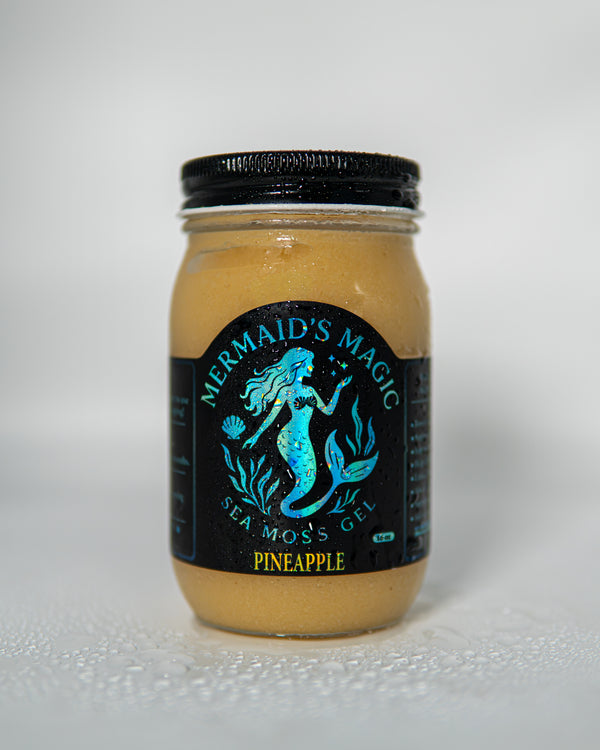
Take one tablespoon of sea moss gel first thing in the morning, blended into a smoothie or taken straight. Morning intake sets your mineral baseline for the day and supports the energy metabolism your brain needs to sustain focus through demanding cognitive work. Our Pineapple Mango Sea Moss Gel pairs well with banana, spinach, and coconut water for a morning brain fuel smoothie that delivers minerals, vitamin C, and natural energy.
Midday: Support Sustained Focus
If you're doing cognitively demanding work in the afternoon, a small second serving (half a tablespoon) in your midday smoothie or tea can help maintain mineral levels. Many people notice that the midday cognitive slump — often attributed to "after-lunch energy dip" — is at least partly a mineral and blood sugar issue that consistent sea moss use helps stabilize.
Evening: Sleep and Recovery
The cognitive benefits of sea moss compound over time as the brain performs most of its memory consolidation, neural maintenance, and toxin clearance (via the glymphatic system) during sleep. The magnesium in sea moss supports the deep sleep that makes this cognitive restoration possible. A small serving in a warm herbal tea before bed is a relaxing way to reinforce your evening magnesium intake.
Supporting Practices
Sea moss is a foundation, not a standalone solution. For maximum cognitive benefit, combine consistent sea moss use with:
- 7-9 hours of quality sleep per night
- Regular aerobic exercise (even 20-30 minutes daily has profound effects on cognitive function and neuroplasticity)
- Omega-3 fatty acids from fatty fish or algae-based DHA supplements
- Stress management (chronic cortisol directly impairs hippocampal function and memory)
- Reduced processed food consumption (the primary driver of gut dysbiosis and mineral deficiency)
What to Expect: A Realistic Timeline
Unlike stimulant-based cognitive supplements that produce an immediate, temporary effect, sea moss's cognitive benefits are cumulative. You are not boosting a specific neurotransmitter acutely — you are rebuilding the mineral and gut health foundation that underlies sustained cognitive function.
What most people report across a 4-8 week consistent sea moss protocol:
- Weeks 1-2: Improved digestive regularity and reduced bloating. Better morning energy (not dramatic, but notable). Some reduction in afternoon energy crashes.
- Weeks 3-4: More stable mood and reduced anxiety in many users. Clearer morning mental alertness. Improved sleep quality if magnesium deficiency was a factor.
- Weeks 5-8+: The cognitive clarity improvements most associated with sea moss. Sustained focus during demanding work. Better recall. Reduced brain fog episodes. More consistent energy throughout the day without reliance on caffeine.
These are not drug effects — they are the predictable consequences of correcting nutritional deficiencies and supporting the gut-brain systems that govern cognitive function. The timeline reflects how long mineral replenishment and microbiome improvement take to compound into noticeable functional change.
A Note on Honest Expectations
We believe in being straightforward with our customers. Sea moss is not Adderall. It will not produce the laser-sharp, immediate focus of a stimulant. It will not compensate for severe sleep deprivation or a diet of processed food. It will not reverse significant cognitive conditions.
What it will do — consistently, cumulatively, over weeks and months of daily use — is provide the mineral and gut health foundation that your brain requires to operate at its natural best. For people who are mineral-deficient, gut-dysbiotic, or mildly thyroid-impaired (which describes a very large proportion of modern adults), removing those nutritional obstacles can produce cognitive improvements that feel genuinely significant.
That's not a small thing. The most sustainable path to better mental performance is building the biological infrastructure that makes it possible — and sea moss is one of the most efficient whole-food tools available for doing exactly that. For more on how sea moss supports whole-body wellness, explore our article on sea moss for gut health — where much of the cognitive story begins.
Feed Your Brain. Start Today.
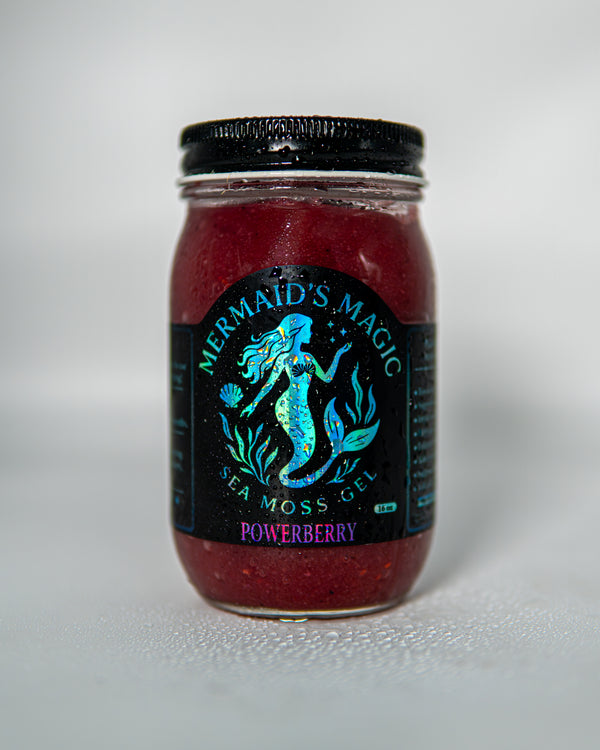
Naturally occurring minerals. Prebiotic gut support. Real whole fruit. Mermaid's Magic Sea Moss Gel gives your brain the nutritional foundation it needs to perform at its best — every single day.
Shop Sea Moss Gel →Keep Reading
- Sea Moss Nutrition Facts: The Complete Mineral Breakdown
- Sea Moss for Athletes: Recovery, Performance & Endurance
- Sea Moss for Energy: A Natural Alternative to Caffeine | Mermaid's Magic Sea Moss
- How Sea Moss Supports Your Immune System Year-Round
Ready to try sea moss? Shop our fruit-infused sea moss gel collection — made with real whole fruit, wild-harvested Caribbean sea moss, and nothing artificial.