Sea Moss for Gut Health: Your Digestive System's New Best Friend
Sea Moss for Gut Health: Your Digestive System's New Best Friend
Your gut is not just where food gets digested. It is the command center for your immune system, a factory for neurotransmitters, and the foundation of nearly every aspect of your health. And sea moss gut health benefits are one of the most compelling reasons this ancient superfood has surged in popularity. From its prebiotic fiber that feeds beneficial bacteria to its mucilaginous properties that soothe and protect the gut lining, sea moss offers a uniquely comprehensive approach to digestive wellness.
In this guide, we will break down exactly how sea moss supports your digestive system, what the science says about seaweed and gut bacteria, and how to incorporate it into your routine for maximum benefit — especially if you are dealing with bloating, irregularity, or general digestive discomfort.
A Quick Primer on Your Gut Microbiome
Before we dive into how sea moss helps your gut, it helps to understand what we are working with. Your gastrointestinal tract is home to roughly 38 trillion microorganisms — bacteria, fungi, viruses, and other microbes that collectively form your gut microbiome. That is more microbial cells than human cells in your entire body.
These microorganisms are not passive passengers. They actively:
- Break down food that your own digestive enzymes cannot process
- Produce vitamins including vitamin K and several B vitamins
- Train your immune system — approximately 70% of your immune cells reside in your gut
- Manufacture neurotransmitters like serotonin (about 95% of your body's serotonin is produced in the gut)
- Protect against pathogens by competing for space and resources with harmful bacteria
- Regulate inflammation throughout your entire body
When your gut microbiome is diverse and balanced, everything tends to run smoothly — digestion, energy, mood, skin, and immune function. When it is disrupted (a state called dysbiosis), you can experience bloating, gas, constipation, diarrhea, food sensitivities, brain fog, and systemic inflammation.
This is where sea moss enters the picture.
How Sea Moss Supports Gut Health: The Three Mechanisms
Sea moss supports your digestive system through three distinct and complementary mechanisms. Understanding each one helps explain why sea moss gut health benefits are so wide-ranging.
Mechanism 1: Prebiotic Fiber That Feeds Beneficial Bacteria
Sea moss contains a type of soluble fiber called carrageenan — a sulfated polysaccharide that your digestive enzymes cannot break down. While you cannot digest carrageenan, your gut bacteria can. And they love it.
When beneficial bacteria in your colon ferment the prebiotic fiber from sea moss, they produce short-chain fatty acids (SCFAs) — primarily butyrate, propionate, and acetate. These SCFAs are profoundly important for gut health:
- Butyrate is the primary fuel source for the cells lining your colon. It strengthens the gut barrier, reduces inflammation, and may even have anti-cancer properties.
- Propionate supports liver function and helps regulate cholesterol levels.
- Acetate helps regulate appetite and supports energy metabolism.
A 2019 study published in Marine Drugs found that polysaccharides extracted from red seaweed (the family that includes sea moss) significantly increased populations of beneficial Bifidobacterium and Lactobacillus species while inhibiting the growth of harmful bacteria (PubMed, 2019). In other words, sea moss acts as a selective fertilizer for the good bacteria in your gut.
Mechanism 2: Mucilaginous Properties That Soothe the Gut Lining
If you have ever prepared sea moss gel, you have noticed its thick, slippery consistency. That texture comes from the mucilaginous compounds in sea moss — gel-forming polysaccharides that become viscous when hydrated.
These mucilaginous properties are not just a texture curiosity. They serve a genuine physiological function in your digestive tract:
- Coating effect: The gel-like substance forms a protective film along the lining of your stomach and intestines, similar to how aloe vera soothes the skin. This can help shield irritated tissue from further damage by stomach acid and digestive enzymes.
- Reduced friction: The smooth gel helps food and waste move through the digestive tract more easily, reducing strain on the gut lining.
- Moisture retention: Mucilaginous compounds attract and retain water in the intestines, which softens stool and supports healthy bowel movements without the harsh stimulant effect of chemical laxatives.
This is why sea moss has been used in traditional Caribbean and Irish medicine for centuries to soothe sore throats, calm upset stomachs, and support recovery from illness. The mucilaginous action is gentle, natural, and works with your body's own processes rather than overriding them.
Mechanism 3: Mineral Support for Digestive Enzyme Function
Your digestive system relies on dozens of enzymes to break down food, and many of those enzymes require specific minerals as cofactors to function properly. Sea moss provides 92 of the 102 essential minerals your body needs, including several that are directly involved in digestion:
- Zinc: Essential for the production of digestive enzymes including those that break down protein.
- Magnesium: Supports muscle contractions in the digestive tract (peristalsis) and acts as a natural muscle relaxant that can reduce cramping.
- Potassium: Helps maintain the electrical signals that drive gut motility.
- Iron: Required for healthy gut immune function and oxygen delivery to intestinal tissue.
Mineral deficiencies are surprisingly common and can quietly undermine your digestion for months or years before more obvious symptoms appear. Sea moss provides these minerals in their naturally bioavailable form, which your body absorbs more efficiently than synthetic supplements.
Sea Moss and Specific Digestive Issues
Let us look at how sea moss may help with some of the most common digestive complaints people experience.
Sea Moss for Bloating
Bloating is often caused by an imbalance in gut bacteria, where gas-producing species outnumber gas-consuming species. By selectively feeding beneficial bacteria (which tend to produce less gas) and helping crowd out harmful, gas-producing bacteria, the prebiotic fiber in sea moss can gradually reduce bloating over time.
The key word is "gradually." If you are new to sea moss, start with a small serving (one teaspoon) and increase slowly over a week or two. Introducing any prebiotic fiber too quickly can temporarily increase bloating as your gut microbiome adjusts. This is normal and usually resolves within a few days.
Sea Moss for Constipation
The soluble fiber and mucilaginous properties of sea moss work together to support healthy bowel movements. The fiber adds bulk to stool while the mucilage attracts water and softens stool, making it easier to pass. This gentle, natural approach is far preferable to stimulant laxatives, which can create dependency over time.
Many Mermaid's Magic customers report improved regularity within the first week of daily sea moss use. Combined with adequate water intake, one to two tablespoons of fruit-infused sea moss gel each morning can make a meaningful difference in bowel regularity.
Sea Moss for Acid Reflux and Gastritis
The mucilaginous coating that sea moss provides may help soothe the stomach lining and reduce the burning sensation associated with acid reflux and gastritis. While sea moss is not a replacement for medical treatment of chronic GERD, some people find that the soothing gel provides relief as part of a comprehensive approach to stomach comfort.
If you have chronic acid reflux or have been diagnosed with gastritis, talk to your healthcare provider before adding sea moss to your routine to ensure it is compatible with your treatment plan.
Sea Moss and IBS
Irritable bowel syndrome is a complex condition with multiple contributing factors, and no single food is a cure. However, the combination of prebiotic fiber, gut-soothing mucilage, and mineral support in sea moss addresses several of the mechanisms that contribute to IBS symptoms.
A study published in BMC Complementary Medicine and Therapies found that seaweed-derived polysaccharides showed promise in modulating gut microbiota composition in ways that could benefit individuals with IBS-related dysbiosis (NIH, 2020). More research is needed, but the preliminary findings are encouraging.
Important caveat: If you have IBS, introduce sea moss very slowly. Start with half a teaspoon daily for the first week and gradually increase. People with IBS can be sensitive to new sources of fiber, and a cautious approach helps you identify your ideal serving size without triggering symptoms.
How to Use Sea Moss for Maximum Gut Health Benefits
Getting the most out of sea moss for your digestive system comes down to consistency, timing, and smart pairing with complementary foods.
Daily Serving
One to two tablespoons of sea moss gel per day is the standard recommendation. For gut health specifically, many people find that taking their sea moss first thing in the morning on an empty or near-empty stomach allows the mucilaginous compounds to coat the digestive tract before food arrives.
Best Ways to Take Sea Moss for Digestion
- Straight from the spoon: The simplest method. A tablespoon of fruit-infused sea moss gel tastes pleasant on its own and delivers the mucilaginous coating most directly to your stomach and intestinal lining.
- In a morning smoothie: Blending sea moss gel with fruits, leafy greens, and a probiotic source like kefir or yogurt creates a comprehensive gut-health drink.
- Mixed into warm water or tea: Warm (not hot) liquids help the gel dissolve evenly and can be soothing first thing in the morning.
- Stirred into oatmeal: The combination of sea moss fiber with the beta-glucan fiber in oats gives your gut bacteria two types of prebiotic fuel.
Combining Sea Moss with Probiotics
Prebiotics (like sea moss) and probiotics (like those found in yogurt, kefir, kimchi, sauerkraut, and supplements) are complementary. Prebiotics feed beneficial bacteria. Probiotics introduce new beneficial bacteria. Using both together is more effective than either alone.
A practical daily routine for gut health might look like this:
- Morning: One tablespoon of sea moss gel (prebiotic) in a smoothie with kefir or yogurt (probiotic)
- Lunch or dinner: Include fermented foods like sauerkraut, kimchi, or miso
- Throughout the day: Drink adequate water (the fiber in sea moss works best when you are well-hydrated)
How to Introduce Sea Moss Gradually for Sensitive Stomachs
If you have a sensitive digestive system, or if you are not accustomed to prebiotic-rich foods, here is a gentle introduction schedule:
- Week 1: One teaspoon of sea moss gel per day, taken with or after a meal
- Week 2: Two teaspoons per day (one tablespoon equivalent)
- Week 3: One full tablespoon per day
- Week 4 and beyond: One to two tablespoons per day, based on how your body responds
During this introduction period, pay attention to how your body responds. Some temporary changes in bowel habits are normal as your gut microbiome adjusts. If you experience significant discomfort, reduce your serving and increase more gradually.
What Makes Fruit-Infused Sea Moss Gel Better for Gut Health
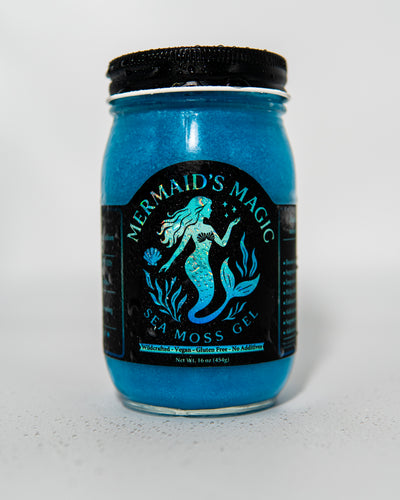
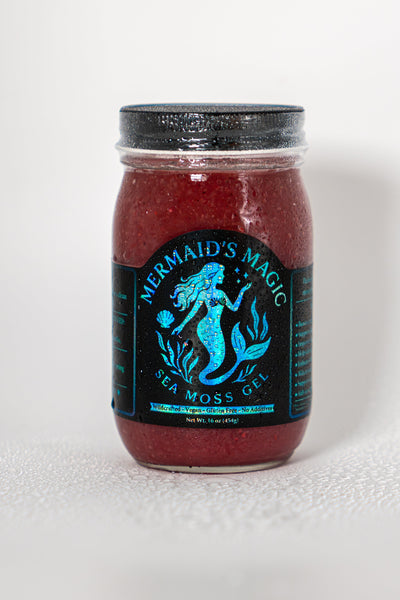
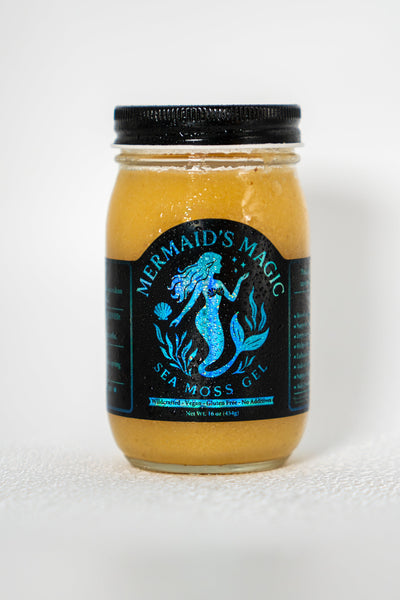
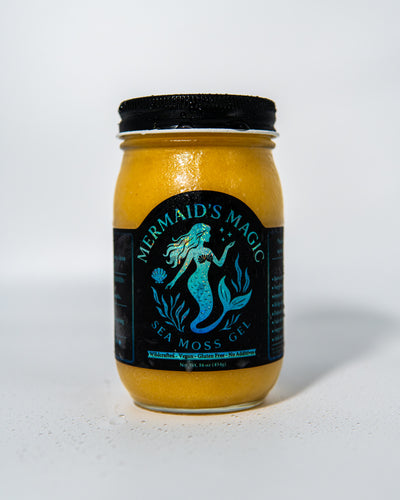
At Mermaid's Magic, every jar of sea moss gel is infused with real whole fruit — not juice concentrates, not "natural flavoring," but actual pineapple, mango, strawberry, blueberry, or cherry that we blend directly into the gel.
This matters for gut health specifically because:
- Whole fruit contains its own prebiotic fiber — pectin, cellulose, and other plant fibers that further nourish beneficial gut bacteria.
- Fruit enzymes like bromelain (from pineapple) can aid in protein digestion.
- Fruit polyphenols have been shown to positively modulate the gut microbiome, promoting the growth of beneficial species.
- Natural fruit sugars in whole fruit are metabolized differently than added sugars — they come packaged with fiber that slows absorption and feeds gut bacteria rather than spiking blood sugar.
Competitors who use juice concentrates or artificial flavoring miss out on all of these gut health benefits. When the fruit is not real, it is just flavoring — it adds nothing to the nutritional or prebiotic value of the product.
Signs That Sea Moss Is Working for Your Gut
Most people begin to notice digestive improvements within one to three weeks of consistent daily use. Here is what to look for:
- More regular bowel movements: This is usually the first noticeable change. Stools may become softer, more consistent, and easier to pass.
- Reduced bloating: As your gut bacteria rebalance, you may notice less bloating after meals, especially in the afternoon and evening.
- Less gas: A more balanced microbiome tends to produce less gas overall.
- Improved energy: When your gut is functioning well, nutrient absorption improves — which means more energy from the same foods.
- Better skin: The gut-skin axis is well-established. Improvements in gut health often manifest as clearer, more hydrated skin within a few weeks.
- Calmer stomach: Reduced sensitivity to foods that previously caused discomfort.
Who Should Be Cautious
While sea moss is generally well-tolerated, a few groups should proceed with extra care:
- People with thyroid conditions: Sea moss is naturally high in iodine. If you take thyroid medication, consult your doctor to ensure iodine intake from sea moss will not interfere with your treatment.
- People on blood thinners: Some compounds in sea moss may have mild blood-thinning properties. Talk to your healthcare provider.
- People with severe IBS or IBD: While sea moss may help, any new dietary addition should be discussed with your gastroenterologist first.
- Pregnant or nursing women: Sea moss is generally considered safe, but consult your OB/GYN about appropriate intake levels.
Start Supporting Your Gut Today
Your gut health is the foundation of your overall wellness, and sea moss is one of the most complete, gentle, and natural tools available to support it. The combination of prebiotic fiber, soothing mucilage, and 92 essential minerals addresses digestive health from multiple angles simultaneously — something no single probiotic supplement or fiber powder can match.
The key is consistency. One to two tablespoons daily, taken regularly, gives your gut microbiome the steady support it needs to thrive. And when that sea moss gel is made with real whole fruit, you are doubling down on prebiotic power with every spoonful.
Ready to give your gut the support it deserves? Explore our fruit-infused sea moss gels and discover why thousands of customers are making sea moss their daily digestive ritual. Your gut will thank you.
Keep Reading
- Sea Moss Nutrition Facts: The Complete Mineral Breakdown
- How Sea Moss Supports Your Immune System Year-Round
- Sea Moss for Detox: How It Supports Your Body's Natural Cleansing
- DIY Sea Moss Face Mask: 5 Recipes for Glowing Skin
Ready to try sea moss? Shop our fruit-infused sea moss gel collection — made with real whole fruit, wild-harvested Caribbean sea moss, and nothing artificial.