Sea Moss for Diabetes: What Current Research Shows
Sea Moss Knowledge Hub
Sea Moss for Diabetes: What Current Research Shows
Important Medical Note: This article is educational and informational in purpose. Sea moss is a food — not a medication and not a diabetes treatment. If you have diabetes or prediabetes, you are being managed by a healthcare provider, and nothing in this article should be interpreted as advice to change your medication, insulin regimen, or treatment plan. Always consult your physician or a registered dietitian before making dietary changes when you have diabetes. This information does not replace medical care.
Questions about sea moss and diabetes are among the most common we receive — and they deserve a careful, honest answer. The overlap between sea moss's nutritional properties and the physiological mechanisms relevant to blood sugar regulation is real and scientifically interesting. But the research is at an early stage, the mechanisms are complex, and anyone telling you that sea moss can "treat" or "cure" diabetes is overstating the evidence in a way that could cause real harm. This article walks through what the current research actually shows, what it does not yet show, and how to think about sea moss as one nutritional tool within a broader, medically supervised approach to metabolic health.
Diabetes: A Brief Overview of the Condition
Diabetes mellitus is a group of metabolic conditions characterized by chronically elevated blood glucose levels resulting from problems with insulin production, insulin action, or both. There are two primary types:
Type 1 diabetes is an autoimmune condition in which the body's immune system destroys the insulin-producing beta cells of the pancreas. People with Type 1 diabetes produce little or no insulin and must manage their condition through exogenous insulin administration. Type 1 is not caused by diet or lifestyle and is not reversible through dietary change — it requires lifelong medical management.
Type 2 diabetes — which accounts for approximately 90–95% of all diabetes cases — is characterized by insulin resistance (the body's cells become less responsive to insulin's signaling) combined with progressive impairment of beta cell function. Type 2 is strongly associated with overweight, physical inactivity, chronic inflammation, and dietary patterns high in refined carbohydrates and ultra-processed foods. It typically progresses gradually through a prediabetic phase before full diagnosis.
The complications of uncontrolled diabetes include cardiovascular disease, kidney damage (nephropathy), nerve damage (neuropathy), retinal damage (retinopathy), and impaired wound healing — making glycemic management one of the most consequential aspects of long-term health.
How Nutrition Influences Blood Sugar Regulation
Before discussing sea moss specifically, it helps to understand the nutritional mechanisms that influence blood sugar regulation in general. Post-meal blood glucose rises when carbohydrates are digested and absorbed into the bloodstream. The rate of that rise — the glycemic response — is influenced by several factors:
- Fiber content: Soluble fiber slows the rate of carbohydrate digestion and glucose absorption by forming a viscous gel in the gut that delays contact between digestive enzymes and starch molecules. This flattens the post-meal glucose curve.
- Insulin sensitivity: How effectively cells respond to insulin determines how efficiently glucose is cleared from the bloodstream after meals. Mineral cofactors — particularly magnesium, chromium, and zinc — play roles in insulin signaling pathways at the cellular level.
- Inflammation: Chronic low-grade inflammation is both a cause and a consequence of insulin resistance. Anti-inflammatory dietary patterns are consistently associated with improved insulin sensitivity.
- Gut microbiome composition: The gut microbiome influences glycemic responses significantly — the same food can produce very different blood glucose responses in different people, in part based on their microbiome composition. Prebiotic fiber that supports a diverse, healthy microbiome can improve metabolic outcomes over time.
Sea moss touches several of these mechanisms — not in a drug-like, targeted way, but in the broad, foundational way that a nutrient-dense whole food does.
What the Research Shows: Sea Moss and Blood Sugar Regulation
Soluble Fiber and Glycemic Response Slowing
The most direct and best-supported mechanism by which sea moss may support blood sugar management is its soluble fiber content. Sea moss's polysaccharides — particularly the sulfated polysaccharides that form its characteristic gel — function as soluble dietary fiber in the digestive tract. When consumed before or with a carbohydrate-containing meal, this viscous fiber slows gastric emptying and forms a gel matrix in the small intestine that reduces the rate at which glucose is absorbed into the bloodstream.
This effect — soluble fiber reducing post-meal glycemic response — is one of the most consistently replicated findings in nutritional science and is the basis for the well-established advice to increase dietary fiber intake for people with diabetes or at risk for diabetes. Sea moss contributes meaningful amounts of soluble fiber per serving, making it a relevant food-form source of this beneficial component.
A systematic review examining dietary fiber's effects on glycemic control in type 2 diabetes, available through the National Library of Medicine's PubMed database, supports the consistent association between higher soluble fiber intake and improved HbA1c levels and fasting glucose in people with type 2 diabetes.
Fucoxanthin and Metabolic Research
Fucoxanthin is a carotenoid pigment found in certain seaweeds — particularly brown algae — that has attracted significant research interest for its potential metabolic effects. Laboratory and animal studies have shown that fucoxanthin can stimulate a protein called UCP1 in white adipose tissue, potentially increasing energy expenditure, and has demonstrated glucose-lowering effects in rodent models of obesity and diabetes.
Some red algae species, including varieties of sea moss, contain related carotenoid compounds, though the fucoxanthin content of red algae is considerably lower than that of brown seaweeds. It is important to note that while the animal research is interesting, the human clinical trials on fucoxanthin are limited, and no broad clinical consensus exists yet that fucoxanthin at the amounts present in standard sea moss consumption meaningfully impacts blood glucose in humans. The research is promising but preliminary.
A research overview published in peer-reviewed nutrition journals and accessible through the NIH's PubMed Central summarizes the current state of fucoxanthin research, noting both the promising early-stage findings and the need for well-designed human clinical trials before definitive conclusions can be drawn.
Magnesium and Insulin Sensitivity
Magnesium is an essential cofactor in more than 300 enzymatic reactions in the body, including several that are directly relevant to insulin signaling. Insulin receptor substrate phosphorylation — one of the key steps in the insulin signaling cascade — is magnesium-dependent. Multiple epidemiological studies have found an inverse association between dietary magnesium intake and type 2 diabetes risk: populations with higher magnesium intake have lower rates of insulin resistance and type 2 diabetes.
Magnesium deficiency is particularly common in people with type 2 diabetes, creating a compounding problem: diabetes increases urinary magnesium excretion, further depleting magnesium status in people who are already commonly deficient, which further impairs insulin signaling. Addressing this deficiency through dietary means — including magnesium-containing whole foods like sea moss — is a sensible component of a metabolic health strategy, though the amounts of magnesium in standard sea moss servings are contributory rather than therapeutic in the context of significant deficiency.
Chromium and Glucose Metabolism
Chromium is a trace mineral that has been studied specifically for its role in glucose metabolism. It is believed to enhance insulin's effects at the cellular receptor level, improving the efficiency of insulin signaling. Sea moss contains trace amounts of chromium alongside its broader mineral spectrum. As with magnesium, the amounts present in a daily sea moss serving are nutritionally meaningful as part of an overall diet but not equivalent to concentrated chromium supplementation.
Prebiotic Effects and Gut Microbiome
The prebiotic fiber in sea moss feeds beneficial gut bacteria, supporting a diverse and healthy microbiome. The gut microbiome's influence on glycemic regulation is an active area of research, with emerging evidence suggesting that certain bacterial species produce short-chain fatty acids (SCFAs) from fiber fermentation that improve insulin sensitivity and reduce inflammation. People with type 2 diabetes consistently show altered microbiome composition compared to healthy controls, and interventions that restore microbiome diversity show promising metabolic effects in early studies. Supporting the microbiome through prebiotic-rich foods like sea moss is consistent with this emerging evidence base.
What the Research Does Not Show (Yet)
Honesty requires being equally clear about the limits of current evidence. There are no large, well-controlled human clinical trials specifically examining sea moss consumption as an intervention in people with type 2 diabetes. The mechanisms described above are plausible and supported by related research, but "plausible mechanism" and "demonstrated clinical benefit in humans" are not the same thing.
We cannot currently say with scientific confidence that sea moss will lower your HbA1c by a specific amount, reduce your fasting glucose by a specific number, or reduce your need for diabetes medication. No reputable research claims this. Anyone who makes such specific treatment claims about sea moss is overstating what is known and potentially misleading people who are managing a serious medical condition.
What we can say, based on the current evidence, is that the nutritional properties of wild-harvested sea moss are consistent with what nutritional science understands about supporting metabolic health — that the fiber, minerals, anti-inflammatory compounds, and prebiotic effects are all relevant to the physiological systems involved in blood sugar regulation, and that including sea moss as part of a nutrient-dense whole-food diet is a reasonable dietary choice that is consistent with the dietary guidance given to people at risk for or living with type 2 diabetes.
Sea Moss as Part of a Diabetes-Supportive Diet
The dietary framework most consistently associated with reduced diabetes risk and improved glycemic control in people with existing diabetes emphasizes: high fiber intake, minimal ultra-processed foods, adequate protein, healthy fats, and a broad spectrum of micronutrients from diverse whole-food sources. Sea moss fits naturally and well within this framework.
Practical considerations for people with diabetes who are interested in sea moss:
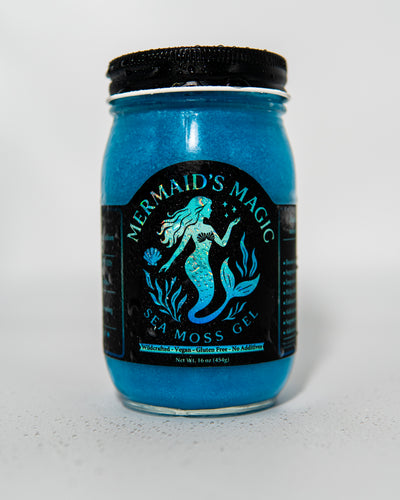
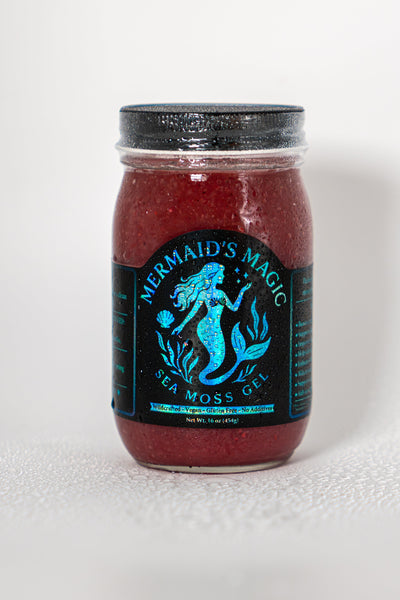
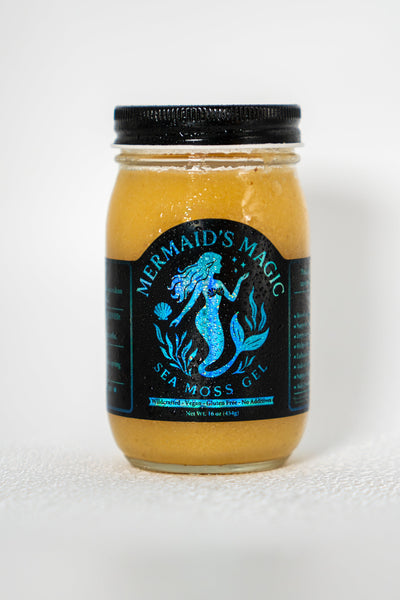
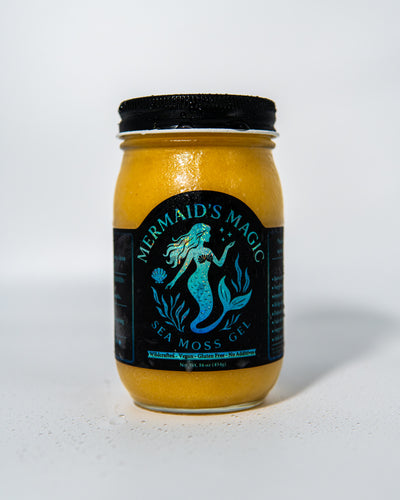
- Plain or lightly sweetened is best: If you have diabetes or are managing blood sugar carefully, choose plain sea moss gel or gel with minimal added fruit — not products with added sugars, honey, or sweeteners that could affect glycemic response. At Mermaid's Magic, our gels use real whole fruit rather than added sugars, which provides natural sweetness with accompanying fiber and phytonutrients.
- Consume before or with meals: Taking sea moss gel before a carbohydrate-containing meal may help moderate the glycemic response through the soluble fiber mechanism. This is not established specifically for sea moss but is consistent with how soluble fiber generally functions.
- Monitor your response: If you are using a continuous glucose monitor (CGM) or testing your blood sugar regularly, you are in an excellent position to observe how sea moss consumption affects your personal glycemic patterns. Individual responses to any food vary considerably.
- Inform your healthcare provider: Tell your doctor or dietitian that you are adding sea moss to your routine, particularly if you have kidney disease or are managing iodine intake carefully due to thyroid conditions.
Iodine Considerations for People with Diabetes
One specific consideration deserves mention: people with diabetes have higher rates of thyroid disease than the general population, and thyroid dysfunction significantly affects glycemic control. Iodine is essential for thyroid hormone synthesis — adequate iodine supports thyroid function, which in turn supports stable metabolism and insulin sensitivity. However, people with autoimmune thyroid conditions (Hashimoto's or Graves' disease) need to manage iodine intake carefully.
If you have both diabetes and a thyroid condition, discuss sea moss with your physician before adding it to your routine, as the iodine content of wild-harvested sea moss is significant and relevant to thyroid management in these circumstances.
Sea Moss Is Not a Replacement for Diabetes Treatment
This needs to be stated plainly and unequivocally: sea moss does not replace insulin, metformin, GLP-1 receptor agonists, or any other diabetes medication. If you have been prescribed medication to manage your blood glucose, do not stop or reduce that medication because you have started taking sea moss, and do not make any changes to your treatment plan without your physician's guidance.
Diabetes is a condition that, when poorly managed, causes serious, life-altering, and potentially life-threatening complications. The opportunity cost of replacing proven medical management with unproven supplementation is not theoretical — it is measured in organ damage. Sea moss is a valuable nutritional tool within a comprehensive approach to metabolic health. It is not a treatment for diabetes.
For more on sea moss's overall nutritional profile and the minerals that make it a valuable whole-food supplement, read our detailed breakdown of sea moss nutrition facts: what those 92 minerals actually do for your body.
The Bottom Line on Sea Moss and Diabetes
The research on sea moss and blood sugar regulation is promising in its early stages and mechanistically coherent. Sea moss's soluble fiber, mineral cofactors, anti-inflammatory compounds, and prebiotic effects all contribute to the physiological systems relevant to glycemic control and insulin sensitivity. For people looking to optimize their nutrition as part of a comprehensive approach to metabolic health — whether they are managing prediabetes, type 2 diabetes with medical supervision, or simply trying to maintain healthy blood sugar levels — wild-harvested sea moss is a sensible, nutritionally rich whole-food addition.
What it is not, and cannot be presented as, is a cure, a treatment, or a substitute for medical care. The honest position — the position that respects both the real nutritional value of sea moss and the genuine complexity of diabetes management — is that sea moss is a valuable food within a medically supervised, whole-food-focused, active approach to metabolic health.
At Mermaid's Magic, we believe in being straightforward about what our products offer and what they do not. We use real whole fruit, wild-harvested Caribbean sea moss, and no shortcuts — because quality matters and honesty matters. If you have questions about whether sea moss is appropriate for your specific health situation, please consult your healthcare provider.
Quality Nutrition, No Shortcuts
Wild-harvested Caribbean sea moss blended with real whole fruit. The minerals, prebiotic fiber, and anti-inflammatory compounds that support your body's natural metabolic processes — in a form you will actually look forward to taking every day.
Keep Reading
- 15 Science-Backed Sea Moss Benefits You Need to Know
- What Is Sea Moss? The Complete Beginner's Guide to This Caribbean Superfood
- Sea Moss Nutrition Facts: The Complete Mineral Breakdown
- DIY Sea Moss Face Mask: 5 Recipes for Glowing Skin
Ready to try sea moss? Shop our fruit-infused sea moss gel collection — made with real whole fruit, wild-harvested Caribbean sea moss, and nothing artificial.