Sea Moss Knowledge Hub
Sea Moss and Vitamin D Absorption: What Science Says
Vitamin D deficiency affects an estimated one billion people worldwide — and simply popping a supplement may not solve the problem. Your body requires a constellation of cofactor minerals to convert, activate, and utilize vitamin D properly. This is where the connection between sea moss vitamin D support becomes fascinating: sea moss does not provide large amounts of vitamin D itself, but it delivers the essential minerals that make vitamin D work.
The Vitamin D Problem Most People Overlook
When blood tests reveal low vitamin D, the reflexive response is to take a vitamin D supplement. But vitamin D metabolism is not a simple A-to-B process — it is a multi-step cascade that depends on magnesium, calcium, phosphorus, zinc, boron, and vitamin K2, among other nutrients.
Here is the abbreviated pathway: sunlight hits your skin and triggers the production of vitamin D3 (cholecalciferol). This inactive form travels to the liver, where it is converted to 25-hydroxyvitamin D (calcidiol) — the form measured in blood tests. From there, it moves to the kidneys, where it becomes the active hormone 1,25-dihydroxyvitamin D (calcitriol). Each conversion step requires specific enzymes, and those enzymes require mineral cofactors to function.
Without adequate cofactors, you can take all the vitamin D supplements you want, and your body still will not fully activate and utilize them. This is why whole-food mineral sources like sea moss are so valuable in a vitamin D optimization strategy.
How Sea Moss Minerals Support Vitamin D Metabolism
Magnesium: The Master Cofactor
Magnesium is required at every step of vitamin D metabolism — synthesis, transport, and activation. Research published in the Journal of the American Osteopathic Association found that vitamin D cannot be metabolized without sufficient magnesium, and that taking vitamin D without magnesium can actually deplete magnesium stores further, creating a vicious cycle.
An estimated 50 percent of Americans are magnesium-deficient. Sea moss is a rich source of bioavailable magnesium, making it an ideal companion to vitamin D supplementation or sun exposure. Just one to two tablespoons of sea moss gel daily can meaningfully contribute to closing this common gap.
Calcium: Vitamin D's Primary Dance Partner
The most well-known function of active vitamin D is to increase calcium absorption in the intestines. Without vitamin D, you absorb only 10 to 15 percent of dietary calcium; with optimal vitamin D, absorption jumps to 30 to 40 percent. But this relationship works both ways — adequate calcium intake ensures that vitamin D has something to work with.
Sea moss provides plant-based calcium that is readily absorbed, especially when consumed alongside vitamin D-rich foods or sunlight. For vegans and those who avoid dairy, this is particularly significant — sea moss becomes one of the few whole-food sources of both calcium and the mineral cofactors that support calcium utilization.
Phosphorus: The Bone-Building Trio Completer
Vitamin D also regulates phosphorus absorption, and calcium and phosphorus combine to form hydroxyapatite — the mineral compound that gives bones their hardness and strength. Sea moss supplies phosphorus as part of its comprehensive mineral profile, completing the calcium-phosphorus-vitamin D trio that bone health depends on.
Zinc: Vitamin D Receptor Activation
Zinc is required for the vitamin D receptor (VDR) to function properly. The VDR is a nuclear receptor present in virtually every cell in the body — it is how your cells "hear" vitamin D's signals. Without adequate zinc, even optimal blood levels of vitamin D may not translate into cellular-level benefits. Sea moss provides zinc in a whole-food matrix that supports absorption.
Boron: The Underappreciated Helper
Boron is a trace mineral that extends the half-life of vitamin D in the blood, meaning it helps your body retain vitamin D longer. Boron also supports the metabolism of calcium and magnesium. While often overlooked in mainstream nutrition, boron is present in sea moss and contributes to the overall synergy of its mineral profile.
Does Sea Moss Contain Vitamin D?
Let's address this directly: sea moss is not a significant source of vitamin D. Some marine algae produce small amounts of vitamin D2 (ergocalciferol), particularly when exposed to UV light, but the quantities are modest and variable.
The value of sea moss in a vitamin D context is not as a vitamin D source itself but as a cofactor powerhouse. Think of it this way: vitamin D is the star quarterback, and the minerals in sea moss are the offensive line. Without the line, the quarterback cannot perform. Sea moss ensures that every molecule of vitamin D you get — from sunshine, food, or supplements — is fully activated and utilized by your body.
This distinction is important for intellectual honesty. We at Mermaid's Magic believe in educating our customers with facts, not hype. Sea moss supports vitamin D metabolism through its mineral content, and that is a genuinely powerful benefit — but it is not a vitamin D replacement.
The Vitamin D-Magnesium Connection: Why This Matters So Much
The magnesium-vitamin D relationship deserves special emphasis because it is one of the most clinically significant nutrient interactions in human health, and it is widely underappreciated.
A landmark 2018 study in the American Journal of Clinical Nutrition involving over 12,000 participants found that magnesium intake significantly modified the association between vitamin D and mortality risk. In other words, vitamin D's life-saving benefits were dependent on adequate magnesium status.
Other research has shown that:
- Magnesium-deficient individuals have lower levels of active vitamin D even when supplementing.
- High-dose vitamin D supplementation without magnesium can cause magnesium depletion, paradoxically worsening health outcomes.
- Correcting magnesium deficiency alone can sometimes normalize vitamin D levels without additional supplementation.
Sea moss addresses this relationship elegantly by providing magnesium in a bioavailable form alongside dozens of other synergistic minerals. Mermaid's Magic sea moss gel, taken daily, helps ensure that your magnesium status supports rather than undermines your vitamin D levels.
Who Is Most at Risk for Vitamin D Deficiency?
Certain populations face a higher risk of vitamin D deficiency — and these same groups often benefit most from the mineral support sea moss provides:
- People with darker skin: Melanin reduces the skin's ability to produce vitamin D from sunlight. Higher mineral cofactor intake can help maximize the vitamin D that is produced.
- Office workers and indoor lifestyles: Limited sun exposure means less natural vitamin D production. Mineral cofactors become even more important for activating whatever vitamin D is obtained from food or supplements.
- Older adults: Aging skin produces 75 percent less vitamin D than younger skin, and kidney function declines, reducing activation efficiency. The minerals in sea moss support the remaining conversion capacity.
- People living in northern latitudes: From October through March, UVB radiation is insufficient for vitamin D production above the 37th parallel. Supplementation plus cofactor support becomes essential.
- Vegans and vegetarians: Many dietary vitamin D sources are animal-based (fatty fish, egg yolks, fortified dairy). Plant-based eaters often need supplementation and benefit from sea moss's mineral cofactors.
- Overweight individuals: Vitamin D is fat-soluble and can be sequestered in adipose tissue, reducing circulating levels. Higher mineral cofactor intake helps maximize utilization of available vitamin D.
Building a Complete Vitamin D Optimization Strategy with Sea Moss
Here is a practical framework for maximizing your vitamin D status using sea moss as a foundational element:
Step 1: Get Your Levels Tested
Ask your doctor for a 25-hydroxyvitamin D blood test. Optimal levels are generally considered to be between 40 and 60 ng/mL. Most conventional labs use 30 ng/mL as the lower cutoff, but many integrative practitioners target the higher range for optimal health.
Step 2: Establish Daily Sea Moss Intake
Take one to two tablespoons of Mermaid's Magic sea moss gel daily to supply the magnesium, calcium, zinc, phosphorus, and trace minerals your body needs to process vitamin D. Consistency matters more than timing — but taking sea moss with a meal that contains healthy fats can further enhance mineral absorption.
Step 3: Optimize Sun Exposure
When possible, get 10 to 30 minutes of midday sun exposure on large skin areas (arms, legs, back) without sunscreen. The exact duration depends on skin tone, latitude, and time of year. This is the most natural way to produce vitamin D, and the minerals from your sea moss will help convert that vitamin D into its active form.
Step 4: Supplement Wisely If Needed
If your blood levels are below optimal despite sun exposure and dietary efforts, consider a vitamin D3 supplement (D3 is more effective than D2). Doses of 1,000 to 5,000 IU daily are common, but work with your healthcare provider to determine the right dose for you. The minerals from sea moss will help your body activate and use the supplemental vitamin D.
Step 5: Include Vitamin K2
Vitamin K2 directs calcium (absorbed via vitamin D) into bones and teeth rather than soft tissues like arteries. Fermented foods (natto, sauerkraut), grass-fed dairy, and K2 supplements pair well with the calcium and vitamin D support that sea moss provides.
Sea Moss, Vitamin D, and Bone Health
The ultimate downstream benefit of optimizing vitamin D with proper mineral cofactors is stronger bones. Osteoporosis affects approximately 200 million people worldwide, and it is not simply a calcium deficiency — it is a failure of the entire calcium-vitamin D-mineral system to maintain bone density.
Sea moss contributes to bone health through multiple mechanisms:
- Provides calcium for bone matrix construction.
- Supplies magnesium, which converts vitamin D to its active form and directs calcium into bone tissue.
- Delivers phosphorus, which combines with calcium to form hydroxyapatite.
- Contains manganese and zinc, which support osteoblast (bone-building cell) activity.
- Provides silica, a trace mineral associated with bone flexibility and resilience.
When paired with regular weight-bearing exercise and adequate vitamin D, daily sea moss consumption creates a comprehensive bone-health strategy that addresses the root causes of mineral loss rather than just patching symptoms.
Sea Moss, Vitamin D, and Immune Function
Vitamin D is one of the most important immune-regulating nutrients, and its effects depend on the same mineral cofactors that sea moss provides. Active vitamin D stimulates antimicrobial peptides (like cathelicidin), modulates the adaptive immune response, and reduces excessive inflammation.
Multiple studies during the pandemic years demonstrated that individuals with optimal vitamin D levels had better outcomes when facing respiratory infections. But vitamin D alone was not the full picture — mineral status, particularly magnesium and zinc, influenced how well the immune system could respond.
By combining sea moss with adequate vitamin D, you support both the innate and adaptive branches of your immune system. Mermaid's Magic customers frequently report getting sick less often and recovering faster — effects consistent with improved vitamin D utilization alongside comprehensive mineral support.
Frequently Asked Questions
Should I take sea moss and vitamin D at the same time?
You can, but it is not strictly necessary. What matters is that both are consumed daily and consistently. Taking them together with a meal that includes healthy fats (avocado, nuts, olive oil) can enhance absorption of both fat-soluble vitamin D and the minerals in sea moss.
Can sea moss replace my vitamin D supplement?
No. Sea moss does not provide significant amounts of vitamin D itself. It supports vitamin D metabolism by supplying essential cofactor minerals. Continue your vitamin D supplementation (or sun exposure routine) and add sea moss to optimize how your body uses it.
How much sea moss gel should I take for vitamin D support?
One to two tablespoons of Mermaid's Magic sea moss gel daily is sufficient to provide meaningful amounts of magnesium, calcium, zinc, and other cofactors. This is the same general dosage recommended for overall mineral support.
Is sea moss safe for people on vitamin D prescriptions?
Sea moss is a whole food and is generally safe. However, if you are on prescription-strength vitamin D (50,000 IU or higher), consult your doctor before adding sea moss, as the mineral interactions could affect dosing requirements. This is a conversation worth having, not a reason to avoid sea moss altogether.
Try Mermaid's Magic Sea Moss Gel
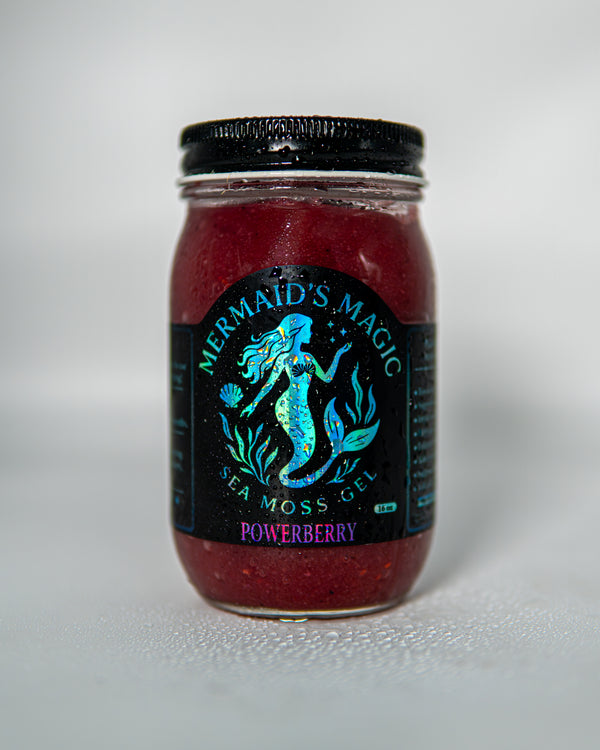
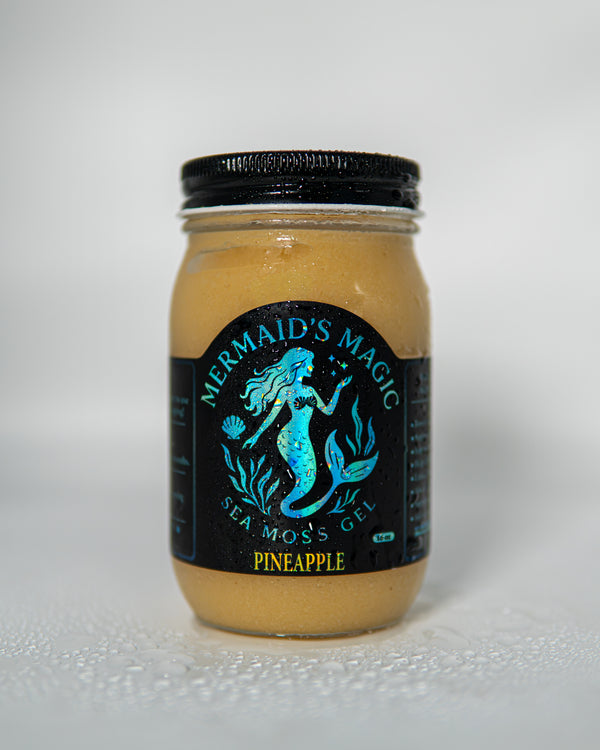
Give your vitamin D the mineral support it needs to actually work. Mermaid's Magic sea moss gel is wild-harvested from the Caribbean, blended with real whole fruit, and made fresh in our FDA-registered kitchen in Pensacola, Florida. With naturally occurring minerals including the magnesium, calcium, zinc, and phosphorus your body requires for vitamin D metabolism, it is the whole-food foundation your supplement stack has been missing. Vegan, non-GMO, no preservatives.