Sea Moss Knowledge Hub
Sea Moss for Vegans: The Complete Plant-Based Mineral Source
A well-planned vegan diet can be incredibly healthy, but it requires attention to certain nutrients that are harder to obtain from plant sources alone. Sea moss vegan nutrition solves many of the most common plant-based diet gaps in one food. With naturally occurring minerals including iron, iodine, zinc, calcium, and B12 precursors, sea moss is arguably the single most important addition a vegan can make to their daily routine.
The Nutritional Gaps in a Vegan Diet
Let's be honest about the science. While vegan diets offer numerous health benefits including lower rates of heart disease, type 2 diabetes, and certain cancers, they do carry a higher risk of specific nutritional deficiencies. The most common gaps include:
- Iron: Plant-based iron (non-heme) is less bioavailable than animal-based iron (heme)
- Iodine: The richest dietary sources are seafood and dairy, both excluded from vegan diets
- Zinc: Plant sources contain phytates that inhibit zinc absorption
- Calcium: Without dairy, meeting calcium requirements requires careful planning
- Vitamin B12: Virtually absent from plant foods
- Omega-3 fatty acids: The EPA and DHA forms are found primarily in fish
- Vitamin D: Limited plant sources, compounded by insufficient sun exposure
- Selenium: Content varies dramatically based on soil conditions where food is grown
Many vegans address these gaps with a handful of separate supplements, but this approach has limitations. Isolated supplements don't provide the synergistic cofactors that enhance absorption, they can be expensive, and pill fatigue is real. Sea moss addresses the majority of these gaps in a single whole food.
How Sea Moss Fills the Vegan Nutritional Gaps
Iron: A Vegan's Best Ally
Iron deficiency is the most common nutritional deficiency worldwide, and vegans are at particularly high risk. The non-heme iron found in plant foods is absorbed at roughly 5 to 12 percent, compared to 15 to 35 percent for heme iron in animal products. This means vegans need to consume significantly more dietary iron to meet their requirements.
Sea moss provides iron in a form that, while non-heme, comes packaged with vitamin C, which dramatically increases non-heme iron absorption. This natural pairing is one of the advantages of getting iron from a whole food like sea moss rather than from an isolated iron supplement, which can cause constipation and stomach upset.
Iodine: The Missing Mineral
Iodine deficiency is perhaps the most underappreciated risk for vegans. A study published in the British Journal of Nutrition found that vegans had the lowest iodine intake of all dietary groups, with many falling below the minimum threshold. Since the primary dietary sources of iodine are fish, dairy, and iodized salt, vegans who limit their salt intake or use non-iodized salt are at significant risk.
Sea moss is one of the best natural sources of iodine available. The iodine in sea moss supports thyroid function, which regulates metabolism, energy, body temperature, and cognitive function. For vegans, sea moss may be the most important single-food source of iodine in their entire diet.
Zinc: Overcoming Phytate Barriers
Vegans typically consume adequate amounts of zinc-containing foods, but the phytates and fiber in plant foods significantly reduce zinc absorption. The zinc in sea moss, being from a marine rather than terrestrial plant source, may have different absorption characteristics. Additionally, sea moss provides zinc alongside other minerals that can enhance its uptake.
Zinc is crucial for immune function, wound healing, protein synthesis, and DNA production. For vegans, maintaining adequate zinc status is essential, and sea moss provides a reliable daily source.
Calcium Without Dairy
While there are certainly plant sources of calcium, including leafy greens, fortified plant milks, and tofu, many vegans still fall short of the recommended daily intake. Complicating matters, some of the highest calcium plant foods like spinach contain oxalates that block calcium absorption.
Sea moss provides calcium that is not bound by oxalates or phytates, along with the magnesium and phosphorus that are co-required for proper calcium utilization. This makes sea moss an excellent complementary calcium source for the vegan diet.
B12 Considerations
Vitamin B12 is the one nutrient that cannot be reliably obtained from any plant food, including sea moss. While some sea vegetables contain B12 analogs, these are not the same as active B12 and may actually interfere with B12 metabolism. Vegans should continue to take a dedicated B12 supplement or consume B12-fortified foods regardless of sea moss intake.
That said, sea moss provides folate and other B vitamins that work synergistically with B12. By covering these other B vitamins, sea moss reduces the total number of supplements a vegan needs to take.
Omega-3 Fatty Acids
Sea moss contains small amounts of omega-3 fatty acids, including some EPA. While the amounts are not sufficient to replace a dedicated algae-based omega-3 supplement, they contribute to overall omega-3 intake and provide additional anti-inflammatory benefits.
Selenium: Soil-Independent Source
The selenium content of plant foods depends entirely on the selenium content of the soil where they were grown. This means a vegan's selenium intake can vary wildly depending on where their food was sourced. Sea moss provides selenium from the ocean, which has a much more consistent mineral concentration than soil, making it a reliable selenium source for vegans.
Why Whole-Food Minerals Beat Supplements for Vegans
Many vegans rely on a stack of individual supplements to cover their nutritional bases: an iron pill, a zinc pill, a calcium pill, an iodine pill, and so on. While this approach is better than ignoring deficiency risks, it has several limitations that sea moss addresses:
Synergistic Absorption
Minerals in whole foods come with naturally occurring cofactors that enhance absorption. The vitamin C in sea moss boosts iron absorption. The magnesium in sea moss directs calcium to bone. The selenium in sea moss activates iodine in the thyroid. These synergies don't exist when you take isolated mineral supplements.
Reduced Risk of Imbalance
Taking individual mineral supplements carries a risk of creating imbalances. Excess zinc can deplete copper. Excess calcium can block magnesium absorption. Too much iron can cause oxidative stress. Sea moss provides minerals in naturally balanced ratios, minimizing the risk of one mineral interfering with another.
Gentler on Digestion
Many mineral supplements cause digestive side effects. Iron supplements are notorious for constipation and nausea. Zinc on an empty stomach causes stomach cramps. Calcium supplements can cause bloating and gas. The minerals in sea moss gel are embedded in a soothing, mucilaginous matrix that is gentle on the digestive system.
Simplicity and Compliance
Taking five or six different supplements every day gets old fast. One to two tablespoons of Mermaid's Magic sea moss gel, which actually tastes good in flavors like mango, strawberry, and blueberry, is far easier to maintain as a daily habit. Compliance is the most important factor in any nutritional strategy, and sea moss makes compliance effortless.
Sea Moss and Vegan Athletic Performance
Vegan athletes face unique nutritional challenges. The increased demands of training amplify the need for iron (oxygen transport), zinc (recovery), magnesium (muscle function), and electrolytes (hydration). Sea moss addresses all of these in one food.
Pre-Workout Support
Taking sea moss 30 to 60 minutes before training provides iron for oxygen delivery, B vitamins for energy production, and potassium for muscle function. The natural carbohydrates in sea moss gel also provide a small but useful energy boost.
Recovery Support
After training, your body needs zinc for tissue repair, magnesium for muscle relaxation and recovery, potassium for electrolyte balance, and anti-inflammatory compounds to manage exercise-induced inflammation. Sea moss provides all of these naturally.
Endurance Support
For endurance athletes, iron status is critical. Iron deficiency, even without anemia, can significantly impair performance by reducing oxygen-carrying capacity. Vegan endurance athletes are at particularly high risk. Regular sea moss consumption helps maintain healthy iron levels alongside the other minerals that support sustained athletic performance.
Sea Moss for Vegan Skin, Hair, and Nails
Some vegans notice changes in their skin, hair, and nails after transitioning from an omnivorous diet. This is often related to zinc, iron, and sulfur intake rather than the vegan diet itself. Sea moss addresses all three:
- Zinc supports skin cell turnover, wound healing, and acne prevention
- Iron ensures adequate oxygen delivery to skin and hair follicle cells
- Sulfur compounds support collagen production and keratin formation
- Vitamin C and antioxidants protect against oxidative damage and premature aging
- Silica strengthens hair, skin, and nail structures
For vegans who want to support collagen production without consuming animal-derived collagen supplements, sea moss is the ideal solution. It provides every nutrient your body needs to synthesize its own collagen, including vitamin C, zinc, sulfur, manganese, and amino acid precursors.
Building the Optimal Vegan Supplement Stack with Sea Moss
Here's how sea moss simplifies the vegan supplement routine:
What Sea Moss Covers
- Iron (with vitamin C for enhanced absorption)
- Iodine (one of the best natural sources)
- Zinc (in a bioavailable whole-food form)
- Calcium (with magnesium and phosphorus cofactors)
- Magnesium (in meaningful amounts)
- Selenium (consistent ocean-sourced supply)
- Potassium (more than a banana per serving)
- B vitamins except B12 (folate, riboflavin, and others)
- Sulfur, manganese, silica, and 80+ trace minerals
What You Still Need Separately
- Vitamin B12: Non-negotiable for vegans. Take a dedicated B12 supplement
- Vitamin D: Important for calcium absorption and immune function. Get from sun exposure or a D3 supplement (vegan D3 from lichen is available)
- Omega-3 DHA/EPA: An algae-based omega-3 supplement provides the long-chain fatty acids that sea moss alone doesn't supply in sufficient amounts
This means that with sea moss plus three additional supplements, a vegan can comprehensively cover every common nutritional gap. That's far simpler than the six to eight individual supplements many vegans currently take.
Why Mermaid's Magic Is Perfect for Vegans
Mermaid's Magic sea moss gel was designed with plant-based nutrition in mind from the start:
- 100% vegan: Sea moss is a marine algae, not an animal product
- Non-GMO: Clean, unmodified ingredients only
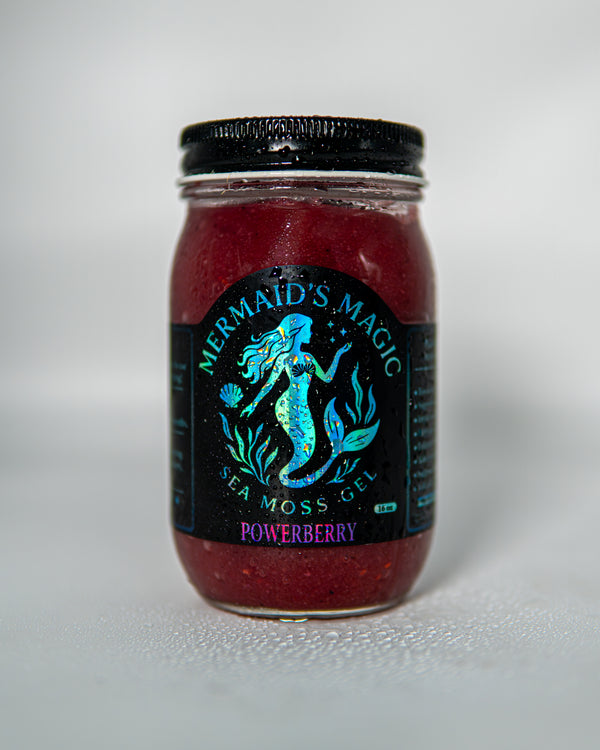
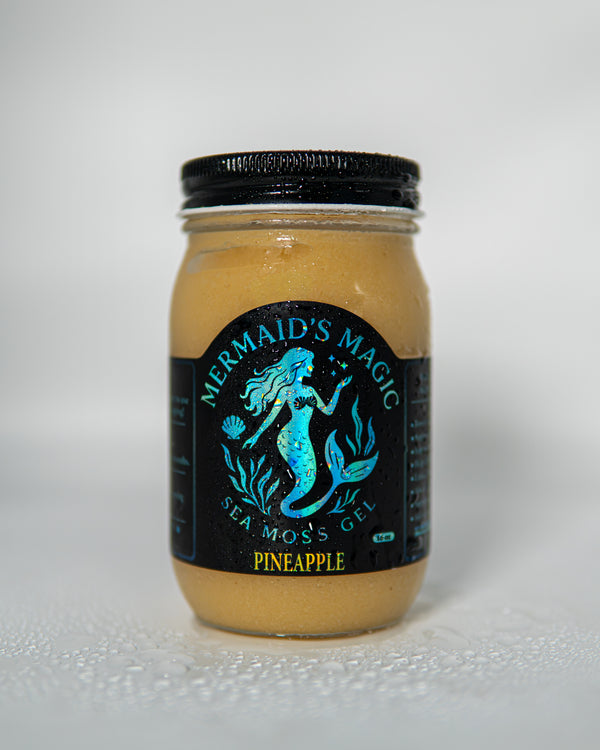
- Real whole fruit: Our flavors come from actual mango, strawberry, blueberry, and pineapple, not juice concentrates or artificial flavors
- No preservatives: Nothing artificial, nothing synthetic
- Wild-harvested: Maximum mineral density from pristine Caribbean ocean waters
- Small-batch: Cleaned and blended by hand in our FDA-registered kitchen in Pensacola
- FDA-registered kitchen: Prepared in our commercial kitchen in Pensacola, Florida
For vegans who are intentional about what they put in their bodies, the transparency and quality of Mermaid's Magic sea moss gel is exactly what you need. No hidden ingredients, no questionable sources, no compromises.
How to Use Sea Moss as a Vegan
Daily Protocol
One to two tablespoons of sea moss gel daily is the recommended intake. Most vegans find that this amount, taken consistently, makes a noticeable difference in energy levels, overall vitality, and the specific deficiency symptoms they may have been experiencing.
Smoothie Bowl Recipe Ideas
- Iron Booster: Blend Mermaid's Magic blueberry sea moss gel with frozen berries, spinach, hemp seeds, and orange juice (vitamin C enhances iron absorption)
- Calcium Power Bowl: Mix sea moss gel into coconut yogurt topped with almonds, sesame seeds, and dried figs
- Protein Recovery Shake: Blend sea moss gel with plant protein powder, banana, peanut butter, and oat milk
- Tropical Energy: Combine pineapple sea moss gel with frozen mango, coconut water, and a handful of spinach
Meal Enhancement
Sea moss gel can be stirred into soups, sauces, and dressings to add minerals to regular meals without changing the flavor significantly. This is a great way to boost the nutritional density of your everyday vegan cooking.
Frequently Asked Questions
Is sea moss considered vegan?
Yes. Sea moss is a red algae (seaweed) and is classified as a plant-based food. It is suitable for vegans and vegetarians.
Can sea moss replace my multivitamin?
Sea moss covers more minerals than most multivitamins and in more bioavailable forms. However, vegans should still take dedicated B12, vitamin D, and omega-3 DHA supplements regardless of sea moss intake.
How much iron does sea moss provide?
Iron content varies by batch and source. Wild-harvested sea moss generally provides meaningful amounts of iron per serving, but it should be considered one part of your overall iron intake alongside other iron-rich plant foods like lentils, beans, tofu, and fortified cereals.
Is sea moss gel considered a processed food?
Sea moss gel is minimally processed. Mermaid's Magic sea moss gel is simply wild-harvested sea moss that has been cleaned, soaked, and blended with real whole fruit. There are no additives, preservatives, or artificial processes involved.
Can sea moss cause iodine excess?
At the recommended intake of one to two tablespoons daily, sea moss provides iodine within safe levels for most people. If you have a diagnosed thyroid condition or are already taking iodine supplements, consult your healthcare provider to ensure you're staying within appropriate iodine intake ranges.
Try Mermaid's Magic Sea Moss Gel
Being vegan should feel amazing, not depleting. Mermaid's Magic sea moss gel fills the nutritional gaps that make plant-based living challenging, delivering naturally occurring minerals in a delicious, whole-food formula. Wild-harvested Caribbean sea moss blended with real whole fruit. Vegan, non-GMO, no preservatives. Simplify your supplement routine and give your body the mineral foundation it deserves.