Pregnancy is a time when every food choice carries extra weight. You are not just nourishing yourself — you are building another human being from scratch, and your body needs a remarkable array of nutrients to do it well. Sea moss pregnancy questions are among the most common we receive at Mermaid's Magic, and for good reason. This mineral-rich superfood contains many of the exact nutrients that expecting mothers need most, but it also comes with considerations that deserve a thoughtful, evidence-based conversation.
This article is not medical advice. It is an honest, balanced look at what sea moss offers during pregnancy, what the potential concerns are, and how to make an informed decision in partnership with your healthcare provider. We believe in transparency over hype, especially when it comes to your health and your baby's development.
Why Expecting Mothers Are Interested in Sea Moss
The interest in sea moss during pregnancy is driven by a simple fact: pregnancy dramatically increases your nutritional demands. Your body needs more iron, more iodine, more folate, more calcium, and more of dozens of other minerals to support fetal development, maintain your own health, and prepare for labor and recovery.
Sea moss contains a wide range of naturally occurring minerals, including many that are specifically critical during pregnancy. The appeal of getting these nutrients from a single, natural, whole-food source — rather than from a handful of synthetic supplement pills — is understandable.
But "natural" does not automatically mean "safe for everyone in every situation." Let us look at the specific nutrients in sea moss that matter most during pregnancy, and then examine the legitimate concerns.
Potential Benefits of Sea Moss During Pregnancy
Folate for Neural Tube Development
Folate (vitamin B9) is arguably the most critical nutrient during early pregnancy. It is essential for the proper development of the neural tube — the structure that becomes your baby's brain and spinal cord. Neural tube defects, which can occur in the first 28 days of pregnancy (often before a woman knows she is pregnant), are directly linked to folate deficiency.
Sea moss contains natural folate. Unlike synthetic folic acid found in most prenatal vitamins, natural folate from food sources does not require conversion by the MTHFR enzyme — an advantage for the estimated 40-60% of women who carry MTHFR gene variants that reduce their ability to process synthetic folic acid.
However, it is important to note that the folate content in sea moss varies by source and preparation, and the amounts may not be sufficient on their own to meet the increased demands of pregnancy. Sea moss should be considered a complementary folate source, not a replacement for prenatal vitamin supplementation.
Iron for Blood Volume and Oxygen Delivery
During pregnancy, your blood volume increases by approximately 50%. That means your body needs significantly more iron to produce hemoglobin — the protein in red blood cells that carries oxygen to your tissues and to your developing baby.
Iron deficiency anemia is one of the most common complications of pregnancy, affecting up to 40% of pregnant women worldwide according to the World Health Organization. Symptoms include fatigue, weakness, dizziness, and shortness of breath.
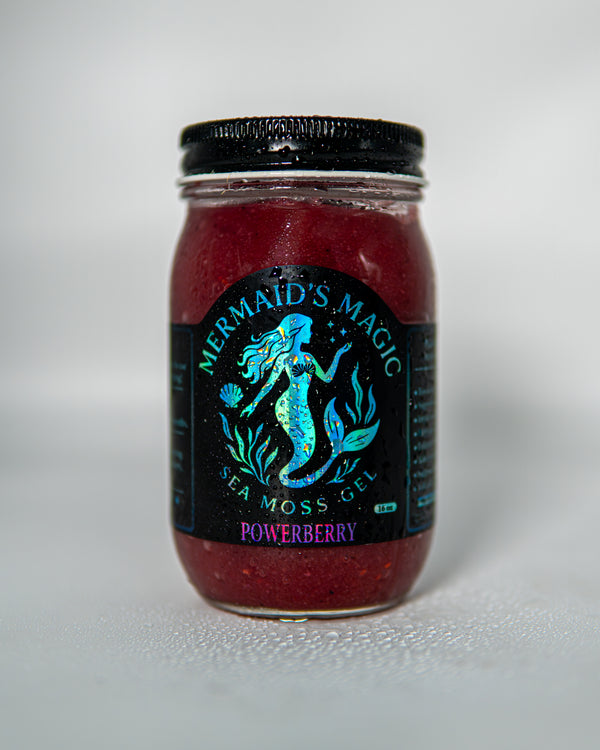
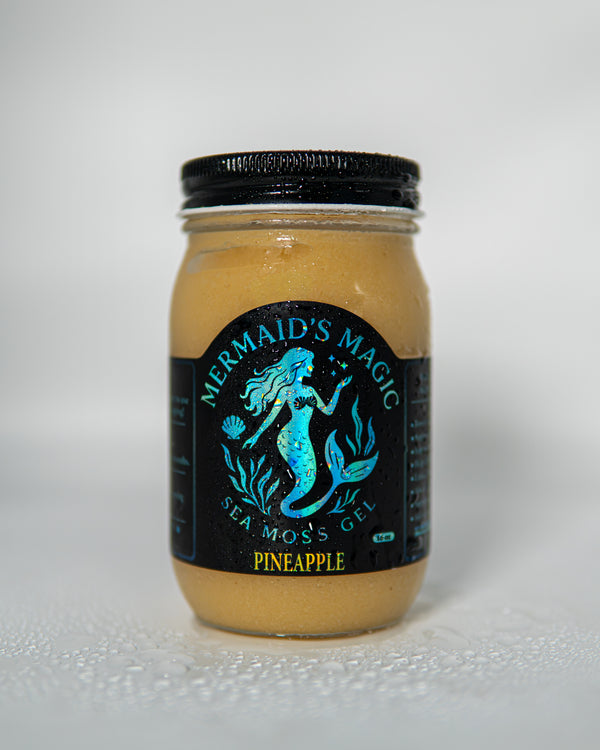
Sea moss provides plant-based iron in a naturally bioavailable form. When consumed alongside vitamin C-rich foods (like the real whole fruit in Mermaid's Magic sea moss gels), iron absorption can be significantly enhanced. Our fruit-infused gels combine sea moss with vitamin C-rich fruits like pineapple, mango, and strawberry, creating a natural iron-absorption advantage.
Iodine for Thyroid Function and Fetal Brain Development
Iodine is essential for thyroid hormone production, which regulates metabolism, body temperature, and — critically during pregnancy — fetal brain development. The developing baby relies entirely on the mother's thyroid hormones during the first trimester and continues to depend on maternal iodine supply throughout pregnancy.
Iodine deficiency during pregnancy is associated with impaired cognitive development, lower IQ, and in severe cases, cretinism. The American Thyroid Association recommends that pregnant and breastfeeding women consume 250 micrograms of iodine daily — roughly 67% more than the standard adult recommendation.
Sea moss is one of the richest natural food sources of iodine available. However, this is a double-edged sword that we will address in the concerns section below.
Calcium and Magnesium for Bone Development
Your baby needs calcium to build bones, teeth, muscles, and nerves. If your dietary calcium intake is insufficient, your body will draw calcium from your own bones to supply the baby — potentially weakening your skeletal health in the process.
Sea moss provides both calcium and magnesium in naturally balanced ratios. Magnesium is essential for calcium absorption and also helps with muscle relaxation (potentially easing pregnancy-related muscle cramps), sleep quality, and blood pressure regulation — all common concerns during pregnancy.
Zinc for Immune Support and Cell Division
Zinc plays a vital role in DNA synthesis, cell division, and immune function — all of which are operating at accelerated rates during pregnancy. Zinc deficiency during pregnancy has been associated with prolonged labor, preterm birth, and low birth weight in some studies.
Sea moss contains zinc alongside the other minerals needed for proper zinc metabolism, providing it in a whole-food context that supports balanced absorption.
Digestive Support
Many pregnant women experience digestive discomfort including nausea, constipation, bloating, and acid reflux. Sea moss gel's mucilaginous properties can help soothe the gut lining, and its prebiotic fiber supports healthy digestion — potentially providing gentle relief for some of these common pregnancy complaints.
Concerns About Sea Moss During Pregnancy
An honest discussion of sea moss pregnancy safety must address the legitimate concerns. Here is what expecting mothers should know.
Iodine Content: The Most Important Consideration
While iodine is essential during pregnancy, too much iodine can be problematic. Excessive iodine intake can suppress thyroid function (paradoxically) and potentially affect fetal thyroid development. The upper tolerable limit for iodine during pregnancy is approximately 1,100 micrograms per day according to the National Institutes of Health (NIH Office of Dietary Supplements).
The iodine content of sea moss varies significantly based on:
- Where it was harvested (water mineral content varies by region)
- The specific species of sea moss
- How it was processed and prepared
- The concentration of the gel
This variability makes it difficult to know exactly how much iodine you are getting per serving. For pregnant women who are already taking a prenatal vitamin containing iodine, adding sea moss could potentially push total iodine intake higher than intended.
What this means practically: If you want to use sea moss during pregnancy, discuss your total iodine intake with your healthcare provider. They may recommend adjusting your prenatal supplement or limiting your sea moss serving size to keep your overall iodine intake in the optimal range.
Contamination Risk
Because sea moss absorbs minerals from seawater, it can also absorb contaminants present in the water — including arsenic, lead, mercury, and cadmium. This is a concern for everyone, but it is especially important during pregnancy when the developing fetus is highly sensitive to contaminant exposure.
This is why the quality and sourcing of your sea moss matters enormously:
- Wild-harvested from clean waters: Sea moss sourced from pristine Caribbean waters with low industrial pollution generally carries a lower risk of contaminants.
- Known sourcing: Choose brands that tell you where their sea moss comes from and how it is made. Ask where it was harvested and how it was prepared.
- Avoid sea moss from unknown or industrialized coastal areas: Waters near shipping lanes, industrial zones, or agricultural runoff areas carry higher contamination risks.
At Mermaid's Magic, we source wild-harvested Caribbean sea moss, sun-dry it, then clean and blend it in small batches in our FDA-registered kitchen in Pensacola, Florida. We believe that transparency about sourcing is especially important for our pregnant and nursing customers.
Carrageenan Concerns
Carrageenan, a compound naturally found in sea moss, has been the subject of some debate. Degraded carrageenan (sometimes called poligeenan) has shown inflammatory effects in animal studies. However, it is important to distinguish between:
- Native carrageenan: The natural form found in whole sea moss gel. This has not been shown to cause harm in human studies and has a long history of safe consumption.
- Degraded carrageenan (poligeenan): An industrial product created through acid hydrolysis at high temperatures. This is not present in natural sea moss gel.
A review published in Critical Reviews in Toxicology concluded that food-grade carrageenan — the type found in whole sea moss — is safe for human consumption at normal dietary levels (PubMed, 2018). Nonetheless, if you have concerns, discuss them with your healthcare provider.
Lack of Pregnancy-Specific Clinical Trials
Perhaps the most honest thing we can say is this: there are no large-scale clinical trials specifically studying sea moss consumption during pregnancy. The nutrient benefits we described above are well-established for the individual minerals and vitamins, but the specific effects of consuming them via sea moss during pregnancy have not been isolated and studied in controlled human trials.
This does not mean sea moss is unsafe during pregnancy. It means that the evidence is based on the known nutritional content of sea moss, general nutritional science, and centuries of traditional use — not on pregnancy-specific clinical data. Your healthcare provider can help you weigh this context against your individual situation.
What Doctors and Midwives Generally Recommend
Based on conversations with healthcare professionals and the current state of evidence, here is the general consensus regarding sea moss during pregnancy:
- Consult your healthcare provider first. This is non-negotiable. Every pregnancy is different, and your doctor or midwife knows your individual health history, medications, and risk factors.
- Do not replace your prenatal vitamin with sea moss. Sea moss is a nutritional complement, not a replacement for a properly formulated prenatal supplement.
- If approved, start with small amounts. One teaspoon per day is a cautious starting point that provides nutritional benefits while limiting iodine exposure.
- Monitor your total iodine intake. Add up the iodine from your prenatal vitamin, sea moss, iodized salt, and any other dietary sources. Share this total with your provider.
- Choose high-quality, wild-harvested sea moss. Pregnancy is not the time to buy the cheapest option from an unknown source. Prioritize products with transparent sourcing and a clear ingredient list.
- Listen to your body. If you experience any adverse effects — nausea beyond normal pregnancy nausea, stomach upset, or allergic reactions — discontinue use and talk to your provider.
If You Choose to Use Sea Moss During Pregnancy
For women who have received clearance from their healthcare provider, here are practical guidelines:
Recommended Serving Size
One teaspoon to one tablespoon per day. Start at the lower end and increase only if your provider agrees. This provides meaningful mineral support while keeping iodine intake moderate.
Best Time to Take It
Many pregnant women find that taking sea moss in the morning helps with energy and digestive regularity throughout the day. If morning nausea is an issue, try it later in the day when nausea tends to be milder.
Best Ways to Consume It
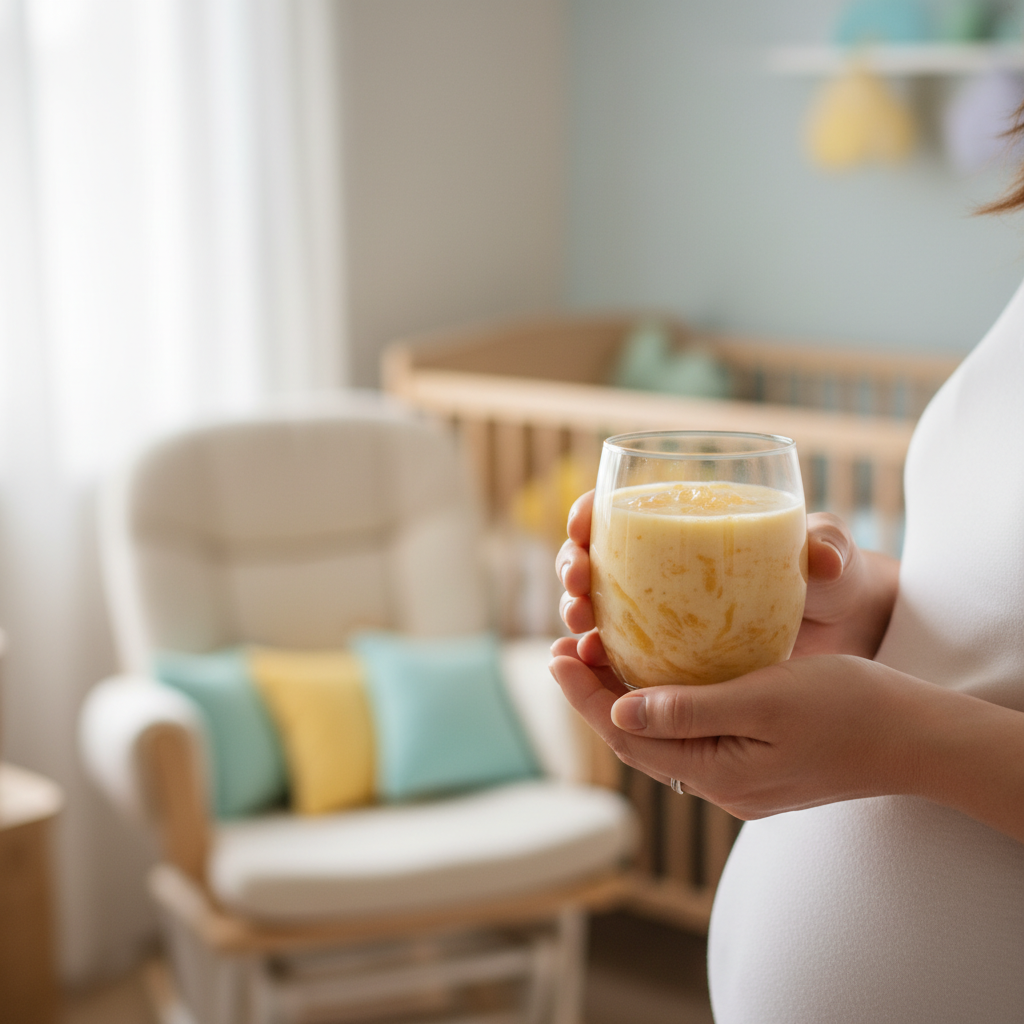
- Blended into a fruit smoothie: The fruit-infused flavors of sea moss gel blend seamlessly into smoothies and can help mask the oceanic taste if it triggers nausea sensitivity.
- Mixed into oatmeal or yogurt: A gentle way to consume sea moss alongside other nutritious foods.
- Straight from the spoon: Quick and simple. The fruit flavors in Mermaid's Magic gels make this pleasant for most people.
What to Avoid
- Do not take sea moss from unverified sources. Unknown origin means unknown contamination risk.
- Do not exceed recommended serving sizes. More is not better, especially during pregnancy.
- Do not use sea moss to self-treat any pregnancy complication. If you are experiencing iron deficiency, thyroid issues, or other health concerns, these require proper medical management.
Alternatives If You Prefer to Wait
If you or your healthcare provider decide that sea moss is not the right choice during your pregnancy, you can still get many of the same nutrients from other sources:
- Iron: Lean red meat, lentils, spinach, fortified cereals
- Iodine: Iodized salt, dairy products, eggs (in moderation)
- Folate: Leafy greens, beans, fortified grains, plus your prenatal supplement
- Calcium: Dairy products, fortified plant milks, tofu, sardines
- Magnesium: Nuts, seeds, whole grains, dark chocolate
- Zinc: Meat, shellfish, legumes, seeds
Many women choose to incorporate sea moss into their postpartum recovery routine instead, when the nutritional demands of breastfeeding benefit from the broad mineral support that sea moss provides. Again, discuss this with your healthcare provider.
Sea Moss While Breastfeeding
The considerations for breastfeeding are similar to pregnancy, though generally less restrictive. Breastfeeding increases your need for iodine (to approximately 290 micrograms per day), and the minerals in sea moss can support both your recovery from pregnancy and your milk production.
The same guidelines apply: consult your healthcare provider, start with small servings, choose high-quality sea moss, and monitor your total iodine intake.
Our Commitment to Transparency
At Mermaid's Magic, we will never tell you that sea moss is a cure-all or that it is guaranteed safe for every person in every situation. What we will tell you is that our sea moss is wild-harvested from clean Caribbean waters, made with real whole fruit (not concentrates or artificial flavoring), and prepared with the care that we would want for our own families.
If you are pregnant, nursing, or planning to become pregnant, the most important step you can take is to have an informed conversation with your healthcare provider about whether sea moss fits into your prenatal nutrition plan. Bring this article, bring your questions, and make the decision together.
When you are ready — whether during pregnancy, postpartum, or beyond — our fruit-infused sea moss gels are here to support your wellness journey with real nutrition from real food.
Disclaimer: This article is for informational purposes only and is not intended as medical advice. Always consult your healthcare provider before adding any supplement or new food to your diet during pregnancy or breastfeeding. These statements have not been evaluated by the Food and Drug Administration. This product is not intended to diagnose, treat, cure, or prevent any disease.
Keep Reading
- 15 Science-Backed Sea Moss Benefits You Need to Know
- What Is Sea Moss? The Complete Beginner's Guide to This Caribbean Superfood
- Sea Moss Nutrition Facts: The Complete Mineral Breakdown
- How Sea Moss Supports Your Immune System Year-Round
Ready to try sea moss? Shop our fruit-infused sea moss gel collection — made with real whole fruit, wild-harvested Caribbean sea moss, and nothing artificial.