Sea Moss Knowledge Hub
Sea Moss for Postpartum Recovery: Nourish Your Body After Birth
Bringing a new life into the world is extraordinary, but the physical demands of pregnancy, labor, and postpartum recovery leave your body deeply depleted. Sea moss postpartum support is gaining recognition among new mothers for its ability to replenish the minerals lost during pregnancy and childbirth, boost energy during those exhausting early weeks, and provide the nutritional foundation your body needs to heal, produce milk, and recover its strength.
Why Postpartum Nutrition Matters So Much
During pregnancy, your body prioritizes your baby's nutritional needs, often at your own expense. Your baby draws heavily on your mineral stores for its developing bones, brain, organs, and blood supply. By the time delivery occurs, many mothers are significantly depleted in iron, calcium, magnesium, zinc, iodine, and other essential nutrients.
Childbirth itself, whether vaginal or cesarean, is a major physical event that involves significant blood loss, tissue trauma, and hormonal upheaval. After delivery, your body must simultaneously heal from birth, produce breast milk (which requires enormous nutritional resources), regulate wildly shifting hormones, and somehow function on severely disrupted sleep.
Traditional cultures around the world have understood this for centuries. In many parts of the Caribbean, Latin America, Asia, and Africa, new mothers are given nutrient-dense healing foods during the postpartum period. Sea moss has been part of Caribbean postpartum tradition for generations, and modern nutrition science is now validating what these cultures have known all along.
How Sea Moss Supports Postpartum Recovery
Iron Replenishment
Iron deficiency is one of the most common and debilitating postpartum issues. Blood loss during delivery can be substantial, and iron stores that were already depleted during pregnancy drop even further. Postpartum iron deficiency causes crushing fatigue, difficulty concentrating, weakness, and can contribute to postpartum depression.
Sea moss provides iron in a natural, whole-food form that is gentler on the digestive system than iron supplements, which commonly cause constipation, nausea, and stomach pain, symptoms new mothers definitely don't need on top of everything else. The vitamin C naturally present in sea moss also enhances iron absorption.
Calcium and Magnesium for Bone Recovery
If calcium intake is insufficient during pregnancy and breastfeeding, the body pulls calcium directly from the mother's bones to meet the baby's needs. This can result in significant bone density loss that, if not addressed, increases osteoporosis risk later in life. Sea moss provides both calcium and the magnesium needed to direct calcium into bone tissue, helping mothers rebuild their bone density after the demands of pregnancy.
Iodine for Thyroid Recovery
Postpartum thyroiditis, inflammation of the thyroid gland after delivery, affects up to 10 percent of women and can cause fatigue, weight changes, mood disturbances, and hair loss. The iodine in sea moss supports healthy thyroid function during this vulnerable period. Iodine requirements also increase significantly during breastfeeding because breast milk is a primary source of iodine for the developing infant.
Zinc for Wound Healing
Whether you had a vaginal delivery with tearing or a cesarean section, your body has significant tissue repair to accomplish. Zinc is one of the most critical minerals for wound healing, supporting cell division, immune function, and collagen synthesis at the wound site. Sea moss provides zinc alongside the vitamin C and amino acids that work together for optimal tissue repair.
Potassium for Energy and Fluid Balance
Potassium helps regulate energy production at the cellular level and maintains healthy fluid balance. Many postpartum women experience water retention and fatigue, both of which are influenced by potassium levels. The exceptionally high potassium content in sea moss helps address both issues simultaneously.
Sea Moss and Breastfeeding
For breastfeeding mothers, nutrition is doubly important because everything you consume directly influences the quantity and quality of your breast milk.
Supporting Milk Production
Adequate mineral intake is essential for healthy milk production. Dehydration and mineral depletion are common causes of low milk supply. Sea moss helps maintain hydration due to its mucilaginous properties and provides the minerals that support the biological processes of lactation. In Caribbean tradition, sea moss has long been considered a galactagogue, a substance that promotes breast milk production.
Enriching Milk Quality
The minerals you consume are passed to your baby through breast milk. By maintaining optimal mineral levels with sea moss, you help ensure that your breast milk contains adequate iron, iodine, zinc, and other nutrients critical for your baby's development. Iodine is particularly important because your infant's developing brain depends on adequate iodine intake through breast milk.
Protecting Maternal Health During Lactation
Breastfeeding burns an additional 300 to 500 calories per day and requires substantial mineral resources. Without adequate replenishment, breastfeeding can further deplete an already depleted body. Sea moss provides a concentrated source of minerals that helps mothers nourish their babies without sacrificing their own health.
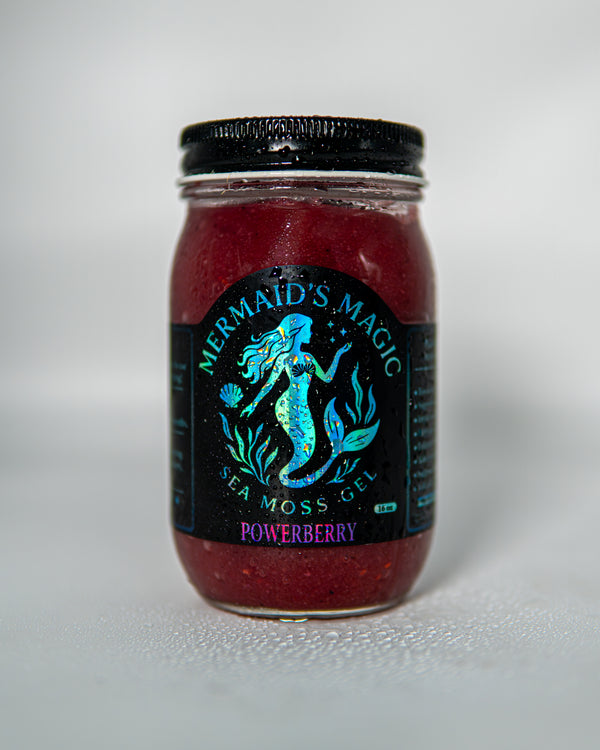
Mermaid's Magic sea moss gel is an ideal choice for breastfeeding mothers because it contains no preservatives, no artificial ingredients, and no questionable additives. Made with wild-harvested Caribbean sea moss and real whole fruit, it provides clean, whole-food nutrition that you can feel good about consuming while nursing.
Postpartum Mental Health and Sea Moss
Postpartum depression and anxiety affect up to one in five new mothers, making them among the most common complications of childbirth. While these conditions have complex causes involving hormones, sleep deprivation, life changes, and individual susceptibility, nutritional deficiencies play a significant and often overlooked role.
The Iron-Depression Connection
Research has established a strong link between iron deficiency and postpartum depression. Iron is required for the production of neurotransmitters including serotonin and dopamine. When iron stores are depleted after childbirth, neurotransmitter production suffers, directly contributing to mood disorders.
Magnesium and Anxiety
Magnesium deficiency is associated with increased anxiety, and anxiety disorders are extremely common in the postpartum period. The magnesium in sea moss supports the parasympathetic nervous system, promotes relaxation, and helps regulate the stress response, all of which can help moderate postpartum anxiety.
B Vitamins and Mood Regulation
B vitamins, particularly B6, B12, and folate, are essential for neurotransmitter synthesis. These vitamins are heavily utilized during pregnancy and are often depleted by delivery. Sea moss provides B vitamins that support mood stability and cognitive function during the demanding postpartum period.
Thyroid Function and Mood
Postpartum thyroid dysfunction can mimic or exacerbate postpartum depression. The iodine and selenium in sea moss support healthy thyroid function, which is essential for mood regulation, energy, and overall well-being.
It's important to emphasize that sea moss is not a treatment for postpartum depression or anxiety. These are serious medical conditions that require professional support. However, ensuring optimal nutrition with sea moss can help create the biochemical conditions for better mental health and may complement professional treatment.
Energy and Sleep Support for New Mothers
Sleep deprivation is perhaps the most universal postpartum challenge. While sea moss can't make your baby sleep through the night, it can help your body cope better with disrupted sleep and maximize the rest you do get.
- Iron and B vitamins support energy production at the cellular level, helping you feel less exhausted even when sleep is limited
- Magnesium promotes deeper, more restorative sleep during the windows when you can rest
- Potassium supports adrenal function and helps your body manage the stress of sleep deprivation more effectively
- Thyroid support from iodine helps maintain your metabolic rate and energy output
Many new mothers who take Mermaid's Magic sea moss gel report that while they're still tired, they have more sustained energy throughout the day and don't experience the extreme energy crashes that are common in the early postpartum months.
Postpartum Hair Loss and Sea Moss
Postpartum hair loss affects up to 50 percent of new mothers, typically peaking around three to four months after delivery. During pregnancy, elevated estrogen levels keep hair in the growth phase, resulting in thicker, fuller hair. After delivery, estrogen levels plummet, and all the hair that was held in the growth phase enters the shedding phase simultaneously.
While some degree of postpartum hair shedding is normal and temporary, nutritional deficiencies can prolong and worsen it. The iron, zinc, B vitamins, and sulfur compounds in sea moss support healthy hair follicles and promote the regrowth phase. Many women find that their hair recovers faster when they maintain consistent sea moss intake during the postpartum period.
Digestive Recovery After Birth
Digestive issues are extremely common postpartum. Constipation from pain medications, iron supplements, or pelvic floor changes can be severe and distressing. Bloating, gas, and irregular bowel movements are also frequent complaints.
Sea moss helps with postpartum digestion in several ways:
- Gentle soluble fiber promotes regular bowel movements without causing cramping
- Mucilaginous gel coats and soothes the digestive tract lining
- Prebiotic properties support healthy gut bacteria that may have been disrupted by antibiotics given during labor
- Magnesium acts as a gentle, natural stool softener
Unlike harsh laxatives or fiber supplements that can cause cramping and gas, sea moss provides gentle, soothing digestive support that is safe for breastfeeding mothers.
How to Incorporate Sea Moss into Your Postpartum Routine
Getting Started
Begin with one teaspoon of sea moss gel daily during the first week and gradually increase to one to two tablespoons. This gentle introduction allows your digestive system to adjust, which is especially important if your digestion is already sensitive postpartum.
Easy Integration Ideas
As a new mother, you need nutrition that's quick and easy to consume. Here are some practical ways to take sea moss when you barely have time to eat:
- Straight from the jar: Open, scoop, eat, done in 10 seconds
- Mixed into a smoothie: Blend sea moss gel with frozen fruit, greens, and protein powder for a one-handed nutrient bomb
- Stirred into oatmeal: Add a tablespoon to your morning oatmeal
- Mixed into yogurt: Stir sea moss gel into yogurt for a probiotic-prebiotic combination
- Blended into tea: Stir into warm herbal tea for a soothing postpartum beverage
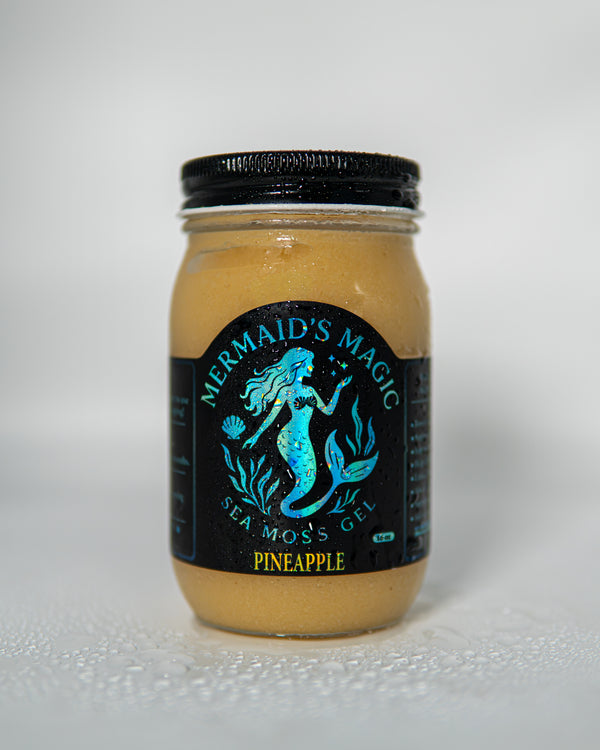
Mermaid's Magic sea moss gel comes in delicious flavors like mango, strawberry, blueberry, and pineapple, making it something you'll actually look forward to eating even during the most exhausting days.
Timing Tips
There's no single best time to take sea moss postpartum. Some mothers prefer morning for the energy-supporting benefits, while others prefer evening for the sleep-supporting magnesium. If you're taking two tablespoons daily, splitting the dose between morning and evening covers both bases.
Safety Considerations
Sea moss is a whole food with a long history of consumption, including during pregnancy and postpartum. However, there are some considerations to keep in mind:
- Iodine sensitivity: If you have a thyroid condition, consult your endocrinologist about appropriate iodine intake from sea moss
- Medication interactions: If you're taking thyroid medication or blood thinners, discuss sea moss with your healthcare provider
- Start gradually: Introduce sea moss slowly to avoid digestive adjustment effects
- Quality matters: Choose sea moss products that are free from preservatives and contaminants, especially while breastfeeding
Mermaid's Magic sea moss gel contains no preservatives or artificial ingredients and is prepared in our FDA-registered commercial kitchen in Pensacola, Florida. This level of quality control is essential for something you're consuming during the sensitive postpartum and breastfeeding period.
A Note on Postpartum Self-Care
Taking sea moss is an act of self-care that takes less than a minute a day but sends an important message to yourself: your health matters too. In the overwhelm of new motherhood, it's easy to put every ounce of energy into your baby and neglect your own needs. But you cannot pour from an empty cup.
Nourishing your body with sea moss helps ensure that you have the physical resources to show up as the mother you want to be. It's not selfish. It's essential. And when something as simple and quick as a spoonful of Mermaid's Magic sea moss gel can replenish naturally occurring minerals, support your energy, boost your mood, and help your body heal, there's really no reason not to prioritize it.
Frequently Asked Questions
Is sea moss safe while breastfeeding?
Sea moss is a whole food that has been consumed by breastfeeding women in Caribbean cultures for generations. In recommended amounts of one to two tablespoons daily, it is generally considered safe. As always, discuss any new additions to your diet with your healthcare provider.
When can I start taking sea moss after delivery?
Many women begin taking sea moss within the first few days after delivery, starting with small amounts and increasing gradually. If you had complications during delivery, check with your healthcare provider before starting.
Can sea moss increase breast milk supply?
While there isn't extensive clinical research specifically on sea moss and milk supply, it has been used traditionally as a galactagogue in the Caribbean. Its rich mineral content and hydrating properties support the nutritional demands of lactation, which may help maintain or improve milk production.
Will the flavors in the sea moss gel affect my breast milk?
The whole fruit used in Mermaid's Magic sea moss gel is natural food that poses no concern for breastfeeding. In fact, exposure to varied flavors through breast milk may help your baby become a more adventurous eater later.
Try Mermaid's Magic Sea Moss Gel
You just created a human being. Now it's time to replenish your body with the nutrition it deserves. Mermaid's Magic sea moss gel is made from wild-harvested Caribbean sea moss, blended with real whole fruit and absolutely no preservatives. Vegan, non-GMO, and made fresh in our FDA-registered kitchen. Because the person who gives everything to everyone else deserves whole-food nourishment too.