Sea Moss Knowledge Hub
Sea Moss for Anemia & Iron Deficiency: Nature's Iron Source
Iron deficiency is the most common nutritional deficiency in the world, affecting an estimated two billion people globally. In the United States alone, roughly 10 million people are iron deficient, and nearly five million have iron-deficiency anemia. For those seeking plant-based solutions, sea moss iron content has become a topic of enormous interest. Wild-harvested sea moss delivers bioavailable iron alongside vitamin C and other cofactors that enhance absorption, making it one of the most effective whole-food strategies for addressing iron deficiency naturally.
Understanding Iron Deficiency and Anemia
Iron is an essential mineral that the body needs to produce hemoglobin, the protein in red blood cells responsible for carrying oxygen from the lungs to every tissue and organ. Without adequate iron, the body cannot make enough healthy red blood cells, leading to a condition known as iron-deficiency anemia.
The symptoms of iron deficiency range from subtle to severe:
- Fatigue and weakness: The most common symptom, caused by reduced oxygen delivery to muscles and tissues
- Pale skin and brittle nails: Insufficient hemoglobin reduces the rosy color of skin and weakens nail structure
- Shortness of breath: The body compensates for low oxygen by increasing breathing rate
- Cold hands and feet: Poor circulation from inadequate red blood cell production
- Dizziness and headaches: Reduced oxygen supply to the brain
- Restless leg syndrome: Strongly associated with low iron levels
- Cravings for non-food items (pica): Ice chewing is a classic sign of iron deficiency
Certain populations are at higher risk for iron deficiency: women of reproductive age (due to menstrual blood loss), pregnant women, children, vegans and vegetarians, frequent blood donors, and people with chronic conditions that impair absorption such as celiac disease or inflammatory bowel disease.
The Iron Content of Sea Moss
Sea moss, or Chondrus crispus, is one of the most mineral-dense foods on the planet. Among these, iron stands out as particularly significant for people dealing with deficiency or anemia.
A 100-gram serving of raw sea moss contains approximately 8.9 milligrams of iron, which represents roughly 49 percent of the recommended daily allowance for adult men and 22 percent for premenopausal women. While you would not typically consume 100 grams of sea moss in a single sitting, even a standard daily serving of one to two tablespoons of sea moss gel contributes meaningful iron to your overall intake.
What makes sea moss especially valuable as an iron source is not just the quantity of iron it contains, but the nutritional context in which that iron is delivered. Sea moss simultaneously provides vitamin C, which dramatically enhances non-heme iron absorption, along with B12, folate, and other cofactors that support red blood cell production. This whole-food synergy is something isolated iron supplements simply cannot replicate.
Why Sea Moss Iron Is More Absorbable Than You Might Expect
Plant-based iron, known as non-heme iron, is generally less bioavailable than the heme iron found in animal products. This is a common concern for vegans and vegetarians who rely on plant sources. However, sea moss has several characteristics that improve absorption:
Built-In Vitamin C
Sea moss contains natural vitamin C, which is the single most effective enhancer of non-heme iron absorption. Vitamin C converts ferric iron (the form found in plants) into ferrous iron (the form the body absorbs most readily). When you consume sea moss, you get iron and its absorption enhancer in the same food.
Absence of Common Absorption Inhibitors
Many plant-based iron sources come packaged with compounds that inhibit absorption, such as phytates (in grains and legumes), oxalates (in spinach), and tannins (in tea and coffee). Sea moss is naturally low in these absorption inhibitors, giving its iron a cleaner path to absorption.
Mineral Cofactors
Sea moss provides copper, manganese, and zinc alongside iron. Copper is essential for iron metabolism, as it helps transport iron from storage sites to the bone marrow where red blood cells are produced. Having these cofactors present in the same food source creates a more efficient absorption environment than taking isolated iron pills.
Gentle on the Stomach
One of the biggest complaints about iron supplements is their gastrointestinal side effects: constipation, nausea, and stomach cramping. Sea moss gel, by contrast, is soothing to the digestive tract. Its mucilaginous texture coats the stomach lining, and many people find it easier to tolerate than synthetic iron supplements. This is particularly important because you can only benefit from iron you can actually keep taking consistently.
Sea Moss vs. Traditional Iron Supplements
Traditional iron supplements, typically ferrous sulfate or ferrous gluconate, deliver concentrated doses of iron but come with significant drawbacks:
- GI side effects: Constipation, nausea, and stomach pain are extremely common, causing many people to stop taking their supplements
- Poor absorption: Without adequate vitamin C and cofactors, much of the iron in supplements passes through the body unused
- Oxidative stress: High-dose iron supplements can generate free radicals in the gut, potentially causing inflammation
- Single nutrient focus: Iron supplements address only one deficiency, while iron-deficient individuals often lack other minerals as well
Sea moss takes a different approach. Rather than delivering a single isolated mineral in concentrated form, it provides a moderate amount of iron alongside 91 other minerals, vitamins, and bioactive compounds that support overall health. For people with mild to moderate iron deficiency, this whole-food approach may be sufficient, either alone or as a complement to lower-dose iron supplementation.
Mermaid's Magic sea moss gel is made from wild-harvested Caribbean sea moss, ensuring the richest possible mineral profile. Farm-raised or pool-grown sea moss often has significantly lower mineral content, including lower iron levels, because the controlled growing environment lacks the diverse mineral exposure of open ocean waters.
Best Ways to Maximize Iron Absorption from Sea Moss
To get the most iron benefit from your sea moss, follow these evidence-based strategies:
Pair Sea Moss with Vitamin C-Rich Foods
While sea moss contains some vitamin C naturally, pairing it with additional vitamin C sources dramatically boosts iron absorption. Try blending Mermaid's Magic sea moss gel into smoothies with:
- Strawberries (the strawberry flavor gel already includes this benefit)
- Oranges or orange juice
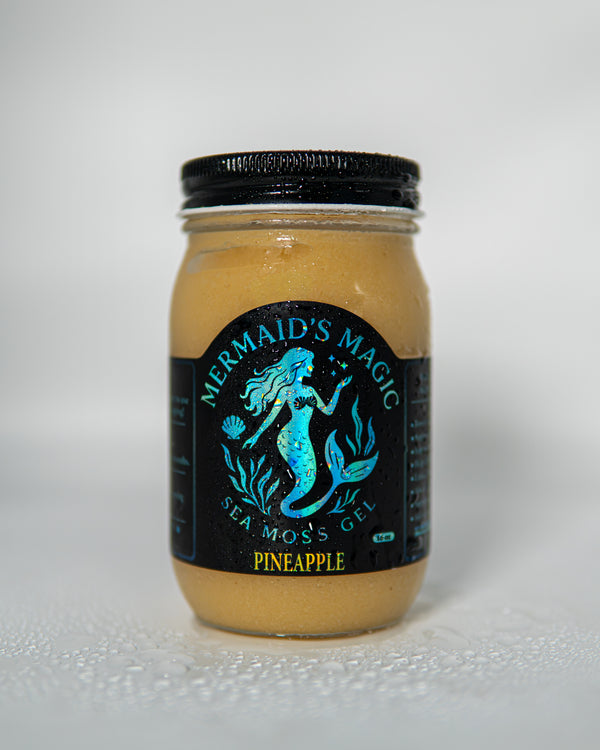
- Pineapple (try the pineapple flavor gel for a double dose)
- Kiwi
- Bell peppers (in savory sea moss recipes)
Avoid Iron Inhibitors at the Same Time
When taking your sea moss for iron support, avoid consuming it simultaneously with:
- Coffee or black tea (tannins block iron absorption)
- Dairy products (calcium competes with iron for absorption)
- High-phytate foods like whole grains or legumes
Wait at least one to two hours between consuming these foods and taking your sea moss.
Take Sea Moss on a Relatively Empty Stomach
Iron is best absorbed when the stomach is not full of competing nutrients. Taking your sea moss gel first thing in the morning, perhaps blended into a fruit smoothie, maximizes the window for iron absorption before other foods enter the digestive system.
Be Consistent
Iron stores rebuild gradually over weeks and months, not overnight. Consistent daily intake of sea moss is far more effective than occasional large doses. Most healthcare providers recommend three to six months of consistent iron supplementation to fully replenish depleted stores.
Sea Moss for Specific At-Risk Populations
Women of Reproductive Age
Menstruation is the leading cause of iron deficiency in premenopausal women. Women who experience heavy periods can lose significant amounts of iron each month, creating a recurring deficit that is difficult to overcome through diet alone. Adding daily sea moss gel provides a gentle, consistent iron source that helps offset menstrual losses without the uncomfortable side effects of iron tablets.
Pregnant Women
Iron needs increase dramatically during pregnancy as the body produces additional blood to support the growing fetus. The recommended daily intake rises from 18 mg to 27 mg during pregnancy. While pregnant women should always follow their obstetrician's guidance regarding supplementation, sea moss can be a valuable dietary addition that contributes iron along with folate, iodine, and other nutrients critical for fetal development. Always consult your healthcare provider before adding any supplement during pregnancy.
Vegans and Vegetarians
Without heme iron from animal sources, plant-based eaters must be strategic about their iron intake. Sea moss is one of the best plant-based iron sources available, and because it is naturally free from common allergens and perfectly aligned with vegan diets, it fills an important nutritional gap. Mermaid's Magic sea moss gel is 100 percent vegan and contains no animal-derived ingredients.
Athletes
Intense exercise increases iron loss through sweat, foot-strike hemolysis (destruction of red blood cells from impact), and increased GI losses. Female athletes are at particular risk. Sea moss provides iron alongside electrolytes and anti-inflammatory compounds, making it an ideal addition to a training nutrition protocol.
Older Adults
Iron absorption decreases with age, partly due to reduced stomach acid production. The gentle, bioavailable form of iron in sea moss, combined with its soothing effect on the digestive tract, makes it a suitable option for older adults who may not tolerate traditional iron supplements well.
Signs Your Iron Levels Are Improving
When you begin addressing iron deficiency with sea moss and other dietary strategies, watch for these positive changes:
- Increased energy: Usually the first and most noticeable improvement, often within two to four weeks
- Better exercise tolerance: You may notice you can exercise longer without becoming winded
- Improved skin color: Pallor gradually gives way to a healthier complexion
- Stronger nails: Brittle, spoon-shaped nails begin to normalize
- Reduced brain fog: Better oxygen delivery to the brain improves concentration and mental clarity
- Fewer headaches: As hemoglobin levels normalize, oxygen-deprivation headaches diminish
- Warmer extremities: Improved circulation brings warmth back to hands and feet
It is important to have your iron levels monitored through blood work. Ferritin, serum iron, total iron-binding capacity, and complete blood count are the key tests your doctor will use to track your progress. Do not rely on symptoms alone to assess your iron status.
A Sample Day for Iron-Boosting with Sea Moss
Here is what a day optimized for iron absorption might look like with sea moss as your foundation:
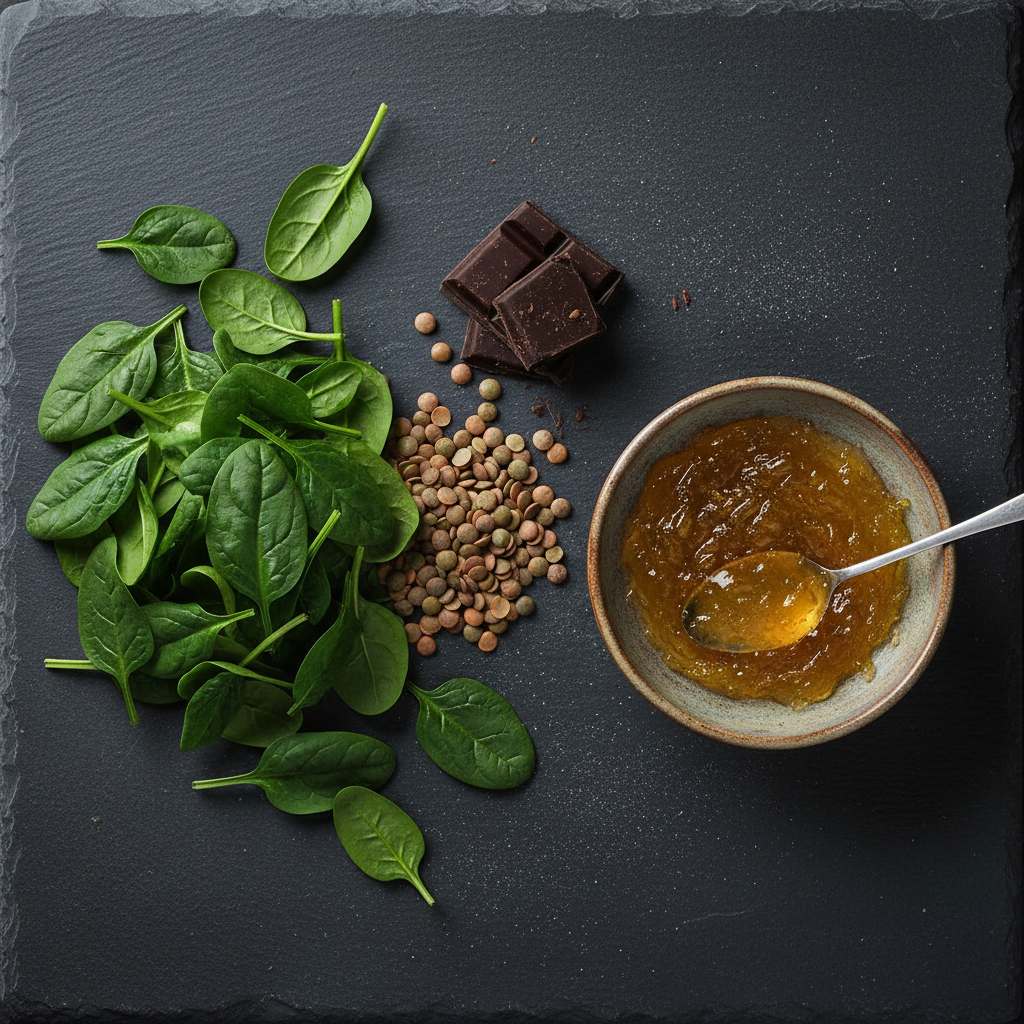
- Morning (7 AM): Smoothie with 2 tablespoons Mermaid's Magic strawberry sea moss gel, half a banana, a handful of spinach, orange juice, and hemp seeds
- Mid-morning (10 AM): A handful of pumpkin seeds and dried apricots (both high in iron)
- Lunch (12:30 PM): Lentil soup with bell peppers and tomatoes (vitamin C enhances lentil iron absorption)
- Afternoon snack (3 PM): Dark chocolate and a kiwi
- Dinner (6:30 PM): Grilled salmon or tofu with quinoa and roasted broccoli
- Evening: Avoid coffee or tea within two hours of meals
This approach combines sea moss with other iron-rich foods and absorption enhancers to create a comprehensive iron-building strategy that goes far beyond any single supplement.
Important Precautions
While sea moss is a safe and beneficial food for most people, there are some important considerations regarding iron:
- Hemochromatosis: People with hereditary hemochromatosis or iron overload disorders should avoid supplemental iron sources, including iron-rich foods like sea moss. If you have this condition, consult your hematologist.
- Severe anemia: If your hemoglobin is significantly low (below 8 g/dL), you likely need prescription iron supplementation or even iron infusions. Sea moss alone is not sufficient for severe anemia, though it can complement medical treatment.
- Thyroid conditions: Sea moss is high in iodine, which affects thyroid function. If you have thyroid disease, discuss sea moss use with your endocrinologist.
- Interactions with medications: Iron can interact with certain antibiotics, thyroid medications, and other drugs. Separate sea moss consumption from medication by at least two hours.
Frequently Asked Questions
How much iron is in a serving of sea moss gel?
A two-tablespoon serving of sea moss gel provides approximately 1 to 2 milligrams of iron, depending on the source and preparation. While this is not equivalent to a prescription iron supplement, it provides steady daily iron alongside absorption-enhancing cofactors that improve utilization.
Can sea moss cure anemia?
Sea moss is a food, not a cure. It can help prevent iron deficiency, support recovery from mild deficiency, and complement prescribed treatments for anemia. Always work with your doctor to diagnose and treat anemia properly.
Which Mermaid's Magic flavor has the most iron?
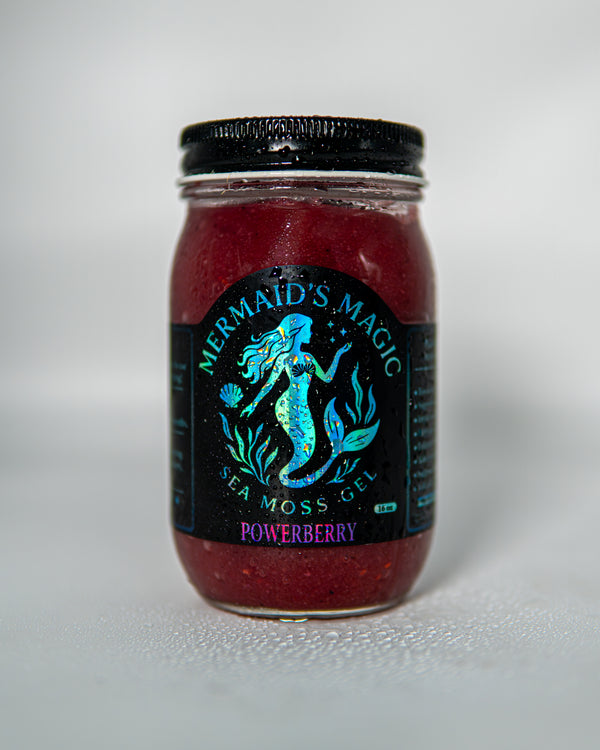
All flavors use the same wild-harvested sea moss base, so the iron content is consistent across varieties. However, the power berry flavor adds additional antioxidants and trace nutrients from its berry blend.
Try Mermaid's Magic Sea Moss Gel
If you are looking for a natural, plant-based way to support your iron levels, Mermaid's Magic sea moss gel delivers iron alongside a wide range of naturally occurring minerals in every jar. Wild-harvested from Caribbean waters and prepared with real whole fruit in our FDA-registered commercial kitchen in Pensacola, Florida, our gel is vegan, non-GMO, and free of preservatives. Choose from flavors like mango, strawberry, blueberry, strawberry matcha, pineapple, pineapple blue spirulina, and power berry. Free shipping on orders over $100, with nationwide delivery Monday through Wednesday.