Sea Moss for Hormonal Balance: What Women Need to Know
Sea Moss Knowledge Hub
Sea Moss for Hormonal Balance: What Women Need to Know
Hormonal imbalance affects millions of women — and the search for natural nutritional support is more active than ever. Among the whole-food options that have attracted serious attention, sea moss and hormonal balance is a conversation worth having carefully. Sea moss is not a hormone treatment, and no responsible brand will tell you it is. But the nutritional profile of wild-harvested Caribbean sea moss — particularly its iodine content, mineral spectrum, and anti-inflammatory compounds — does interact meaningfully with several of the physiological systems that govern hormone production and metabolism. Here is what the science says, what it does not say, and how to think about sea moss as part of a broader approach to hormonal wellness.
Hormones 101: The Systems That Govern Your Body's Balance
Before exploring how sea moss might support hormonal health, it helps to briefly map the landscape. "Hormonal balance" is a broad concept that encompasses several distinct endocrine systems, each with its own physiology and potential failure modes.
The Thyroid Axis
The thyroid gland produces two key hormones — triiodothyronine (T3) and thyroxine (T4) — that regulate metabolic rate, body temperature, energy production, mood, weight, and nearly every major organ system. Thyroid dysfunction affects women at roughly five to eight times the rate it affects men. Hypothyroidism (underactive thyroid) is particularly common and associated with fatigue, weight gain, depression, cold intolerance, brain fog, and irregular menstrual cycles. Thyroid hormone synthesis requires iodine as a direct biochemical precursor — without adequate dietary iodine, the thyroid cannot produce sufficient T3 and T4.
The Adrenal Axis and Cortisol
The adrenal glands sit atop the kidneys and produce cortisol — the body's primary stress hormone — along with DHEA, aldosterone, and small amounts of sex hormones. Chronic stress drives sustained cortisol elevation, which can suppress thyroid function, disrupt sleep, contribute to insulin resistance, and interfere with the menstrual cycle. Adrenal function depends on several key nutrients including vitamin C, magnesium, and B vitamins — minerals and cofactors that appear in the sea moss nutritional profile.
Estrogen, Progesterone, and the Reproductive Axis
The reproductive hormones — primarily estrogen and progesterone, with testosterone playing a supporting role — govern the menstrual cycle, fertility, bone density, cardiovascular health, and many aspects of mood and cognition. These hormones are produced primarily in the ovaries and are regulated by signaling cascades that run through the hypothalamus and pituitary. Disruptions at any point in this cascade, or poor metabolic clearance of estrogen through the liver and gut, can produce symptoms ranging from PMS and irregular cycles to more serious conditions like endometriosis and PCOS.
Iodine: Sea Moss's Most Direct Connection to Hormonal Health
Of all the nutrients in sea moss, iodine has the most direct and well-established connection to hormonal function — specifically, thyroid hormone synthesis. The thyroid gland cannot produce T3 or T4 without iodine. Every molecule of thyroid hormone contains iodine atoms as structural components of the hormone itself.
Iodine deficiency is more widespread than most people realize, particularly in populations that have reduced iodized salt consumption and eat limited seafood. Mild to moderate iodine insufficiency can produce subclinical hypothyroidism — a state of reduced thyroid function that may not appear on standard lab tests but that nonetheless contributes to fatigue, difficulty losing weight, low mood, and menstrual irregularities.
Wild-harvested Caribbean sea moss is one of the richest natural, whole-food sources of iodine available. Research catalogued through the National Institutes of Health has documented iodine content in various sea algae species and noted significant variability based on species and growing environment — with wild-harvested ocean species consistently showing higher mineral content than cultivated varieties. This is why the source of your sea moss matters profoundly: pool-grown sea moss has far lower iodine content than wild-harvested sea moss and will not deliver the same thyroid support.
An important caveat: iodine is a mineral where both deficiency and excess can cause thyroid problems. Women with existing thyroid conditions — particularly autoimmune thyroid diseases like Hashimoto's thyroiditis or Graves' disease — should consult with their physician before adding significant iodine sources to their diet. For women without existing thyroid pathology and with normal or below-optimal iodine status, sea moss consumed in normal food amounts (one to two tablespoons of gel daily) is a safe and potentially beneficial way to support thyroid function through diet.
For a comprehensive look at sea moss and thyroid health specifically, see our dedicated article on sea moss for thyroid health: what you should know.
Magnesium and the Adrenal-Stress Connection
Magnesium is often called the "anti-stress mineral" because of its role in moderating the body's stress response and supporting the nervous system's ability to downregulate after activation. Magnesium deficiency — which is extraordinarily common in modern populations, with many studies suggesting that a majority of adults do not meet the recommended daily intake — is associated with elevated cortisol, anxiety, poor sleep, increased PMS severity, and impaired insulin sensitivity.
Wild-harvested sea moss contains meaningful amounts of magnesium alongside the broader mineral spectrum it provides. While sea moss alone will not fully address a significant magnesium deficit, it contributes to overall mineral intake in a way that processed food diets typically do not. Women who are chronically stressed, experiencing PMS, or struggling with sleep disruption — all of which have connections to cortisol and magnesium status — may notice improvements as their overall mineral nutrition improves through consistent sea moss consumption.
Sea Moss and PMS: What the Evidence Supports
Premenstrual syndrome (PMS) affects an estimated 75% of women of reproductive age to some degree, with a subset experiencing the more severe premenstrual dysphoric disorder (PMDD). The mechanisms underlying PMS are complex and involve interactions between estrogen and progesterone fluctuations, serotonin signaling, prostaglandin production, and inflammatory pathways.
Sea moss does not specifically target the hormonal mechanisms of PMS. However, several of its nutritional properties are relevant to conditions that worsen PMS severity:
- Magnesium: Clinical studies have found that magnesium supplementation can reduce PMS symptoms including bloating, mood changes, and breast tenderness. Sea moss contributes to dietary magnesium intake as part of a balanced diet.
- Anti-inflammatory compounds: Chronic low-grade inflammation exacerbates PMS symptoms through prostaglandin pathways. The anti-inflammatory polysaccharides present in red algae may help modulate inflammatory activity.
- Gut health: Estrogen metabolism occurs in the gut as well as the liver. A healthy, diverse gut microbiome supports proper estrogen clearance, reducing the estrogen recirculation that contributes to estrogen dominance symptoms. Sea moss's prebiotic fiber supports gut microbiome health, indirectly supporting healthy estrogen metabolism.
- Thyroid function: Suboptimal thyroid function can worsen PMS symptoms. Supporting thyroid function through adequate iodine and mineral nutrition may reduce the severity of thyroid-related PMS contributions.
Women who report improvements in PMS symptoms after adding sea moss to their routine are likely experiencing the combined effect of these overlapping mechanisms rather than a single targeted action. Meaningful benefits typically develop over several weeks of consistent use rather than immediately.
PCOS Considerations: A More Complex Picture
Polycystic ovary syndrome (PCOS) is the most common endocrine disorder in women of reproductive age, characterized by hyperandrogenism, ovulatory dysfunction, and polycystic ovarian morphology. It is closely associated with insulin resistance, chronic low-grade inflammation, and gut microbiome disruption.
Sea moss may offer some relevant nutritional support for women with PCOS through several mechanisms. Its prebiotic fiber can support gut microbiome diversity, which is increasingly recognized as relevant to insulin sensitivity and androgen metabolism in PCOS. Its anti-inflammatory polysaccharides may help modulate the chronic inflammation that underlies much of the PCOS metabolic phenotype. Its mineral content — including chromium and magnesium, both of which have been studied in the context of insulin sensitivity — contributes to metabolic support.
However, PCOS is a complex, heterogeneous condition with multiple subtypes and causative factors. Sea moss is a nutritional support tool, not a treatment. Women with PCOS should work with a knowledgeable healthcare provider — ideally one who takes an integrative approach — and should not substitute sea moss or any supplement for evidence-based medical management. That said, incorporating nutrient-dense whole foods including sea moss as part of a broader PCOS-supportive diet is a reasonable and sensible approach.
Sea Moss and Menopause: Supporting the Transition
Menopause — the cessation of menstrual cycles typically occurring between ages 45 and 55 — is accompanied by a steep decline in estrogen production that affects virtually every body system. Hot flashes, sleep disruption, bone density loss, cardiovascular changes, mood fluctuations, vaginal dryness, and cognitive changes are among the most common experiences.
Sea moss does not contain phytoestrogens or bioidentical hormones and does not directly replace declining estrogen. However, its nutritional profile supports several of the systems most vulnerable during the menopausal transition:
- Bone health: Declining estrogen accelerates bone density loss in the perimenopausal and postmenopausal years. Sea moss contains calcium, magnesium, and other minerals relevant to bone mineralization. These are supporting nutrients, not substitutes for adequate calcium supplementation or hormone therapy if medically indicated, but they contribute to the overall mineral foundation of bone health.
- Thyroid function: Thyroid conditions become more prevalent with age in women, and hypothyroidism can amplify many menopausal symptoms. Maintaining adequate iodine nutrition through sea moss is relevant here.
- Energy and mood: The B vitamins and minerals in sea moss support energy metabolism and neurotransmitter production, which may help moderate some of the fatigue and mood changes associated with the menopausal transition.
- Cardiovascular support: Post-menopausal women face increased cardiovascular risk as the protective effects of estrogen diminish. Sea moss's anti-inflammatory properties and mineral content — including potassium for blood pressure regulation — contribute to cardiovascular health in this context.
Women navigating perimenopause and menopause should work with a physician or healthcare provider regarding evidence-based treatment options for significant symptoms. Sea moss fits well within a holistic, nutrition-first approach to supporting the body through the transition — but it is one piece of a larger picture.
How to Use Sea Moss for Hormonal Support
For women interested in using sea moss gel as nutritional support for hormonal health, the approach is straightforward:
- Daily dose: One to two tablespoons of sea moss gel daily. Consistency is more important than quantity — benefits accrue over weeks of regular use.
- Timing: Morning is a common preference. Sea moss can be added to a smoothie, stirred into warm water with lemon and honey, mixed into oatmeal, or taken straight.
- Quality: Choose wild-harvested sea moss from a brand that uses real fruit, not concentrates or "natural flavoring," and that tests for heavy metals. The quality of the sea moss determines the quality of the nutrition it delivers.
- Be patient: Hormonal health changes take weeks to months to manifest in noticeable ways. Do not evaluate sea moss on a one-week trial.
- Pair with whole-food nutrition: Sea moss amplifies a whole-food diet — it does not substitute for one. The greatest hormonal benefits come when sea moss is part of a diet rich in vegetables, quality protein, healthy fats, and minimal processed food.
When to See a Doctor
No nutritional supplement — sea moss included — is a substitute for medical evaluation and care when you have a genuine endocrine condition. If you are experiencing symptoms that suggest thyroid dysfunction (persistent fatigue, unexplained weight changes, significant temperature intolerance, depression, or irregular menstrual cycles), PCOS (irregular periods, excess hair growth, acne, difficulty conceiving), or significant menopausal symptoms, please work with a qualified healthcare provider.
Sea moss is food. It is extraordinarily nutritious food, and it supports the foundation of health that makes all other healing possible. But food does not diagnose, treat, or cure endocrine disorders. Responsible supplementation works alongside medical care, not in place of it.
Nourish Your Hormonal Foundation
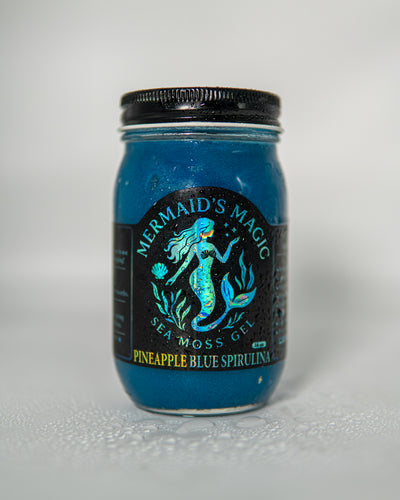
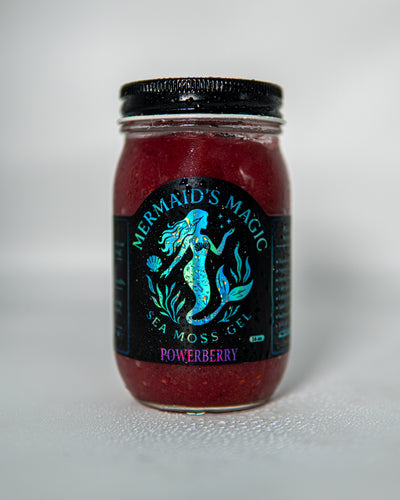
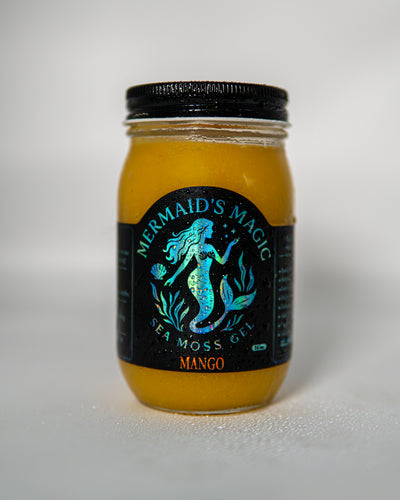
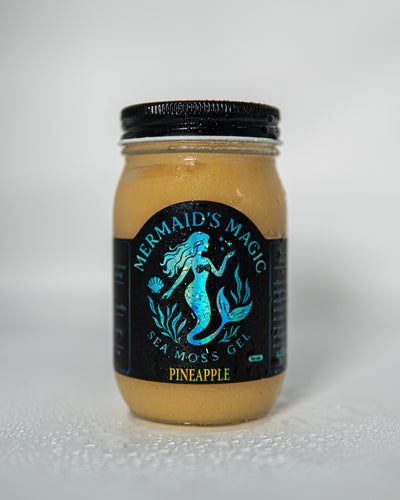
Wild-harvested Caribbean sea moss, blended with real whole fruit — the iodine, minerals, and prebiotic fiber your body needs to support thyroid function, gut health, and hormonal balance every day.
Keep Reading
- 15 Science-Backed Sea Moss Benefits You Need to Know
- What Is Sea Moss? The Complete Beginner's Guide to This Caribbean Superfood
- Sea Moss Nutrition Facts: The Complete Mineral Breakdown
- How Sea Moss Supports Your Immune System Year-Round
Ready to try sea moss? Shop our fruit-infused sea moss gel collection — made with real whole fruit, wild-harvested Caribbean sea moss, and nothing artificial.