Sea Moss Knowledge Hub
Sea Moss Gel in Cooking: Soups, Sauces & Everyday Meals
Cooking with sea moss is one of the most effective ways to incorporate naturally occurring minerals into your daily diet without supplements, capsules, or drastic changes to the foods you already enjoy. Sea moss gel is a naturally neutral-tasting thickener, binder, and nutrient booster that disappears into almost any dish you make.
Understanding Sea Moss Gel as a Cooking Ingredient
Before diving into specific recipes and techniques, it helps to understand what makes sea moss gel such a versatile cooking ingredient. Sea moss gel is made by soaking dried sea moss in water, then blending it into a smooth, gelatinous consistency. This gel has several unique properties that make it exceptionally useful in the kitchen.
- Natural thickener. Sea moss gel contains carrageenan, a natural polysaccharide that thickens liquids without altering their flavor. This makes it a superior alternative to cornstarch, flour, or commercial thickeners.
- Binding agent. In baked goods and formed foods like patties and energy bites, sea moss gel holds ingredients together just like eggs or flax — making it perfect for vegan cooking.
- Moisture retention. Sea moss gel helps foods retain moisture during cooking, resulting in juicier proteins, softer baked goods, and creamier sauces.
- Neutral taste. Quality sea moss gel has virtually no taste or smell when cooked into dishes, making it undetectable in the final product.
These properties are why Caribbean and Irish cooks have been using sea moss in their kitchens for centuries. It is not a modern trend — it is a traditional ingredient that is finally getting the recognition it deserves.
Soups and Stews: Where Sea Moss Truly Shines
If you are going to start cooking with sea moss anywhere, start with soups. The warm, liquid environment is ideal for sea moss gel, which dissolves completely and creates a rich, velvety body that would normally require cream, butter, or starchy thickeners.
Creamy Tomato Sea Moss Soup
This is a crowd favorite because it tastes indulgent but is completely dairy-free and loaded with minerals.
- Saute 1 diced onion and 3 cloves garlic in olive oil until softened
- Add 1 can (28 oz) crushed tomatoes, 2 cups vegetable broth, and 1 teaspoon each of dried basil and oregano
- Simmer for 20 minutes
- Stir in 4 tablespoons sea moss gel and blend with an immersion blender until smooth
- Season with salt, pepper, and a pinch of red pepper flakes
The sea moss gel replaces the heavy cream you would typically find in tomato bisque. The result is silky, rich, and satisfying — with a fraction of the calories and a massive boost in mineral content.
West African-Style Peanut Stew
This hearty stew is naturally thick, and sea moss gel amplifies that texture while adding nutritional depth.
- Saute onion, garlic, and ginger in a large pot
- Add 1 diced sweet potato, 1 can diced tomatoes, 3 tablespoons peanut butter, and 3 cups vegetable broth
- Simmer for 25 minutes until sweet potato is tender
- Stir in 3 tablespoons sea moss gel and 2 cups chopped kale
- Cook for 5 more minutes until kale is wilted
The sea moss gel creates a stew that clings to every spoonful, and the mineral content complements the iron and protein already present in the peanut butter and kale.
Classic Chicken Bone Broth with Sea Moss
If you already make bone broth, adding sea moss gel in the final stage supercharges it with ocean-derived minerals that complement the collagen and amino acids from the bones.
- Prepare your bone broth as usual using chicken bones, vegetables, apple cider vinegar, and herbs
- After straining, stir in 2 tablespoons of sea moss gel per cup of broth while still warm
- The gel will dissolve completely and add a subtle richness to the broth
Sauces and Gravies: Thicken Without Flour
One of the most practical applications of cooking with sea moss is using the gel as a sauce thickener. Unlike flour or cornstarch, sea moss gel adds no gluten, no empty calories, and no starchy aftertaste. It just thickens — cleanly and effectively.
Sea Moss Gravy
This is a game-changer for holiday meals, weeknight dinners, and anyone avoiding gluten.
- In a saucepan, warm 2 cups of pan drippings or vegetable broth
- Whisk in 3 to 4 tablespoons of sea moss gel until smooth
- Add 1 tablespoon soy sauce or coconut aminos for color and umami
- Season with thyme, black pepper, and salt to taste
- Simmer for 5 minutes, whisking occasionally, until desired thickness is reached
The gravy will thicken further as it cools, so keep it slightly thinner than your target consistency while it is on the stove.
Sea Moss Alfredo Sauce
Traditional alfredo sauce relies on butter, heavy cream, and parmesan. This version uses sea moss gel and cashews to create an equally creamy result that is completely plant-based.
- Soak 1 cup raw cashews in hot water for 30 minutes, then drain
- Blend cashews with 1 cup plant milk, 3 tablespoons sea moss gel, 3 tablespoons nutritional yeast, 2 cloves garlic, juice of half a lemon, and salt to taste
- Heat in a saucepan over medium-low heat, stirring constantly, until warm and thick
- Toss with cooked pasta and garnish with fresh parsley and cracked pepper
Mermaid's Magic sea moss gel works particularly well here because our gel is blended to a perfectly smooth consistency — no grit, no lumps, just pure creaminess that integrates seamlessly into the sauce.
Stir-Fry Glaze
Sea moss gel transforms a simple stir-fry sauce into a glossy, restaurant-quality glaze that coats vegetables and protein evenly.
- Whisk together 3 tablespoons soy sauce, 1 tablespoon rice vinegar, 1 tablespoon sesame oil, 2 tablespoons sea moss gel, 1 teaspoon grated ginger, and 1 clove minced garlic
- Pour over your stir-fry during the last 2 minutes of cooking
- Toss to coat evenly
The sea moss gel gives the sauce body and cling, so it sticks to the food rather than pooling at the bottom of the pan.
Everyday Meals: Seamless Sea Moss Integration
Beyond soups and sauces, there are dozens of everyday cooking applications for sea moss gel. The goal is to make cooking with sea moss so natural and routine that it becomes second nature.
Scrambled Eggs
Add 1 tablespoon of sea moss gel per 2 eggs before scrambling. The gel makes the eggs fluffier, creamier, and more mineral-rich. You will not taste the sea moss at all — the eggs just turn out better.
Rice and Grains
Stir 1 to 2 tablespoons of sea moss gel into your rice or quinoa after cooking, while the grains are still hot. The gel melts right in, adding a subtle creaminess and a full spectrum of trace minerals to an otherwise simple side dish.
Mashed Potatoes
Replace some or all of the butter in your mashed potatoes with sea moss gel. Use 2 to 3 tablespoons per pound of potatoes. The gel creates a silky, smooth texture and a creamy consistency that mimics butter without the saturated fat.
Salad Dressings
Sea moss gel is an excellent emulsifier, meaning it helps oil and vinegar stay blended instead of separating. Use 2 tablespoons of gel in any homemade vinaigrette for a thicker, more stable dressing that coats salad greens evenly.
Marinades
Add sea moss gel to your marinades for an extra layer of moisture retention. The gel helps the marinade adhere to the surface of proteins, and its moisture-locking properties result in juicier grilled or baked meats and vegetables.
Baking with Sea Moss Gel
Sea moss gel is a secret weapon in baking. It serves as an egg replacement in vegan baking, a moisture booster in cakes and muffins, and a binding agent in cookies and bars.
- Egg replacement: Use 2 tablespoons of sea moss gel to replace 1 egg in most baking recipes
- Moisture booster: Add 2 to 3 tablespoons to cake, muffin, or bread batter for a softer, more tender crumb
- Binding agent: Use in granola bars, energy bites, and no-bake treats to hold ingredients together without eggs or excessive sweeteners
The key to baking with sea moss gel is not to overdo it. Too much gel can make baked goods gummy. Start with 2 tablespoons per recipe and adjust based on your results.
Tips for Cooking with Sea Moss Gel Like a Pro
These tips come from our experience in the Mermaid's Magic kitchen, where we work with sea moss gel every single day in our FDA-registered commercial facility in Pensacola, Florida.
- Add it late. In most cooked dishes, add sea moss gel during the last 5 to 10 minutes of cooking. This preserves more of the heat-sensitive nutrients while still allowing the gel to incorporate fully.
- Whisk or blend. For the smoothest integration, use a whisk in sauces and soups, or an immersion blender for silky results. Simply stirring with a spoon can leave small lumps in thicker preparations.
- Adjust thickness. Sea moss gel continues to thicken as it cools. If your soup or sauce seems thin on the stove, it will likely reach the right consistency once plated. If you need more thickness, add gel 1 tablespoon at a time.
- Pair with strong flavors. While sea moss gel is nearly tasteless, it can slightly mute very delicate flavors. In dishes with bold seasonings — garlic, ginger, tomato, spices — you will never notice. In very subtle dishes, taste and adjust your seasonings after adding the gel.
- Use plain gel for savory cooking. Mermaid's Magic fruit-flavored gels are delicious in sweet applications, but for savory cooking, plain sea moss gel is the way to go.
Nutritional Advantages of Cooking with Sea Moss
When you cook with sea moss gel, you are doing more than just thickening your food. You are adding a dense matrix of naturally occurring minerals that support virtually every system in your body.
- Iron for energy and oxygen transport
- Iodine for thyroid function and metabolism
- Magnesium for muscle function and stress relief
- Potassium for heart health and blood pressure regulation
- Zinc for immune function and wound healing
- Calcium for bone strength and nerve signaling
- Selenium for antioxidant protection and thyroid support
These minerals are in their natural, bioavailable form, meaning your body absorbs them more efficiently than synthetic supplements. By cooking with sea moss gel daily, you create a baseline of mineral nutrition that supports long-term health from the inside out.
Common Mistakes to Avoid
Even experienced cooks make these errors when they first start cooking with sea moss. Avoid them from the start and you will get better results immediately.
- Using too much gel at once. More is not always better. Start with 1 to 2 tablespoons per serving and increase gradually.
- Adding gel to boiling liquid. Adding sea moss gel to a rolling boil can cause it to clump. Remove from heat or reduce to a simmer before stirring in the gel.
- Using low-quality gel. Pool-grown or artificially thickened sea moss gel will not behave the same way in cooking. It may have an off-putting taste, inconsistent texture, or reduced mineral content. Always choose wild-harvested gel made with real ingredients from a reputable source like Mermaid's Magic.
- Expecting immediate visible results. Sea moss gel works subtly in most dishes. You will not see it, taste it, or feel it — but your body will benefit from every mineral-rich bite.
Try Mermaid's Magic Sea Moss Gel
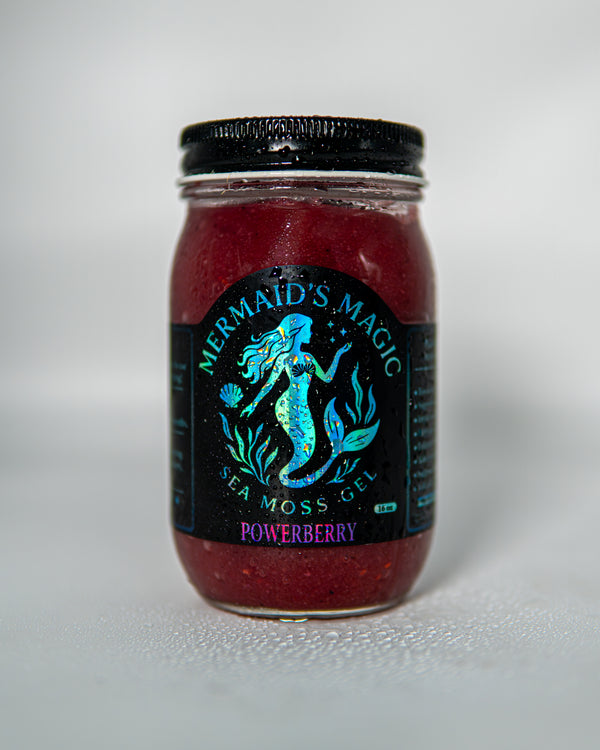
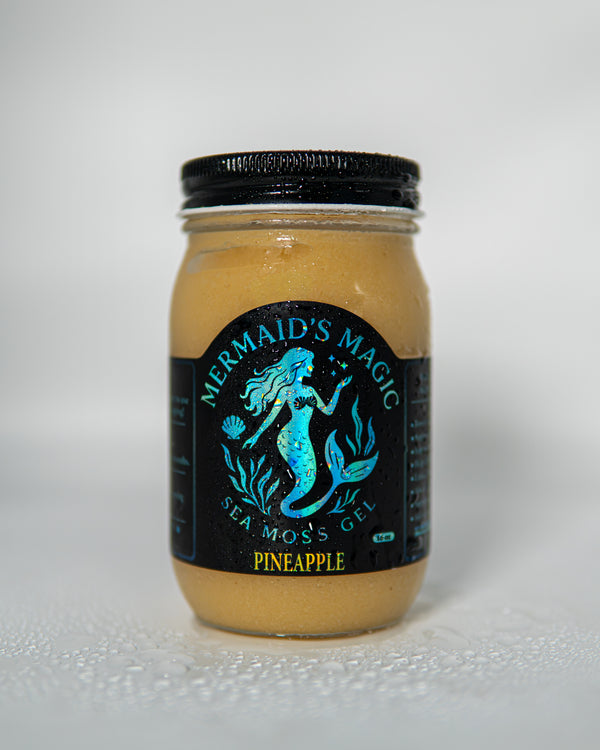
Ready to bring the power of sea moss into your kitchen? Mermaid's Magic sea moss gel is crafted from wild-harvested Caribbean sea moss in our FDA-registered commercial kitchen in Pensacola, Florida. Our smooth, consistent gel blends effortlessly into soups, sauces, and everyday meals. Every batch is vegan, non-GMO, and free of preservatives. Free shipping on orders over $100.