Sea Moss for Kids: Is It Safe and How to Serve It
Sea Moss for Kids: Is It Safe and How to Serve It
Published by Mermaid's Magic Sea Moss | March 2026 | 9 min read
As parents, we want to give our children the best nutritional foundation possible — but we also know how challenging that can be when your five-year-old lives exclusively on chicken nuggets and apple juice. If you've discovered the benefits of sea moss for yourself and you're wondering whether sea moss for kids is safe and appropriate, you're asking the right question. Sea moss contains 92 of the 102 essential minerals the human body needs, and many of those minerals are critical for growing bodies and developing brains. But children aren't small adults, and the approach to introducing any new food or supplement to kids requires thoughtfulness, appropriate dosing, and — we'll say it clearly — a conversation with your pediatrician.
This guide covers everything you need to know: age recommendations, proper dosing, creative serving ideas that even the pickiest eaters will accept, and the specific nutritional benefits sea moss offers growing children.
Is Sea Moss Safe for Children? The Responsible Answer
Let's start with the most important question and give you a direct, responsible answer.
Sea moss is a whole food — not a pharmaceutical product. It's been consumed by Caribbean and Irish communities for centuries, including by children. In its natural gel form, sea moss is generally considered safe for children over the age of one, in appropriate amounts. However, there are important nuances:
Age Recommendations
- Under 12 months: Do not give sea moss to infants under one year old. Their digestive systems are not yet mature enough to process it, and the iodine content requires caution at this age. Breast milk or formula should be their primary nutrition source.
- Ages 1-3: Sea moss can be introduced in very small amounts — no more than half a teaspoon daily — mixed into foods the child already eats. Start with an even smaller amount (a quarter teaspoon) and observe for any digestive changes or reactions over several days.
- Ages 4-8: Up to one teaspoon daily is generally appropriate for this age group. At this point, children's digestive systems are more developed and can handle a broader range of whole foods.
- Ages 9-12: One teaspoon to one tablespoon daily, depending on the child's size and tolerance. This can be gradually increased as they grow.
- Teens (13+): Can typically follow adult dosing guidelines — one to two tablespoons daily.
Talk to Your Pediatrician First
We always recommend discussing sea moss with your child's pediatrician before introducing it, especially if your child:
- Has any known allergies (particularly to shellfish or iodine)
- Has a thyroid condition or family history of thyroid issues
- Takes any medications (sea moss's mineral content could interact with certain prescriptions)
- Has a chronic health condition
- Is underweight or has nutritional deficiencies being managed medically
Your pediatrician knows your child's specific health profile and can provide personalized guidance. We're a sea moss company, not medical professionals — and we take that distinction seriously.
Why Sea Moss Benefits Growing Kids
Children's nutritional needs are, in many ways, more demanding than adults'. Their bodies are actively building bones, developing brains, growing organs, and strengthening immune systems — all processes that require a constant supply of minerals and vitamins. Here's how sea moss specifically supports these developmental needs.
Bone Growth and Calcium
Children build the vast majority of their bone mass before age 18. After that, the window narrows significantly. Sea moss contains calcium in a naturally bioavailable form, along with magnesium and phosphorus — both of which are required for proper calcium absorption and utilization. Research from the National Institutes of Health emphasizes that calcium absorption is enhanced when consumed alongside complementary minerals rather than in isolation — exactly the way sea moss delivers it.
For kids who won't drink milk or eat yogurt, sea moss offers an alternative source of bone-building minerals that can be hidden in foods they already enjoy.
Iron for Energy and Brain Development
Iron deficiency is the most common nutritional deficiency among children in the United States. It affects energy levels, cognitive function, attention span, and physical development. Children who are picky eaters, consume mostly processed foods, or follow vegetarian diets are at particular risk.
Sea moss provides iron along with vitamin C (especially when blended with real fruit, as in our Mermaid's Magic gels), which dramatically improves iron absorption. This combination makes sea moss a practical way to support iron intake in children who resist iron-rich foods like red meat and leafy greens.
Zinc for Immune Function and Growth
Zinc is critical for children's immune systems, wound healing, and physical growth. Children who are frequently sick — the ones who seem to catch every cold that circulates through daycare or school — may benefit from improved zinc status. Sea moss provides zinc in a gentle, food-based form that's less likely to cause the stomach upset associated with synthetic zinc supplements.
Iodine for Thyroid and Cognitive Development
Iodine is essential for thyroid hormone production, which in turn regulates metabolism, growth, and brain development. According to the World Health Organization, iodine deficiency remains the most common preventable cause of intellectual impairment worldwide. While severe deficiency is rare in developed countries (thanks to iodized salt), mild inadequacy is more common than most parents realize — particularly in families that use non-iodized sea salt or pink Himalayan salt.
Sea moss is a natural source of iodine, which is both its benefit and the reason for caution. Children need less iodine than adults, so dosing appropriately is important. This is one more reason to follow the age-specific dosing guidelines above and consult with your pediatrician.
Gut Health and Digestion
Many children struggle with digestive issues — constipation, stomachaches, irregular bowel movements. The prebiotic fiber in sea moss supports healthy gut bacteria, while its mucilaginous (gel-like) texture soothes the digestive tract. Parents frequently tell us that their children's digestive regularity improves within a week or two of starting sea moss — a small change that makes a big difference in daily comfort and mood.
How to Introduce Sea Moss to Kids
The golden rule of introducing any new food to children: start small, go slow, and make it invisible.
Start with a Tiny Amount
Begin with a quarter teaspoon mixed into a food your child already loves. Watch for any digestive changes (looser stools, gas, or stomach discomfort) over 2-3 days. If everything goes well, gradually increase to the age-appropriate dose over the course of two weeks.
Choose a Fruit-Flavored Gel
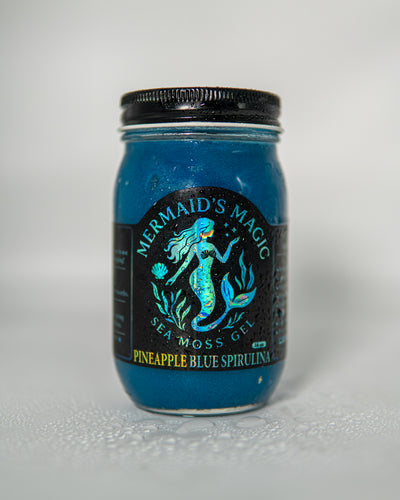
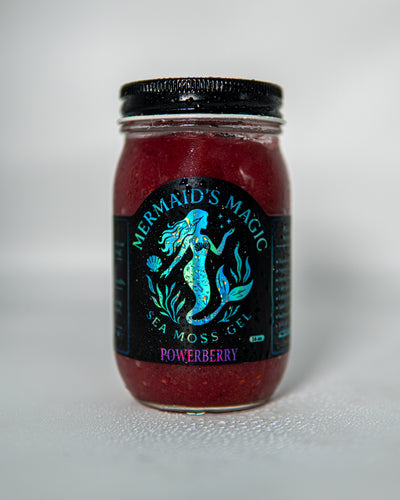
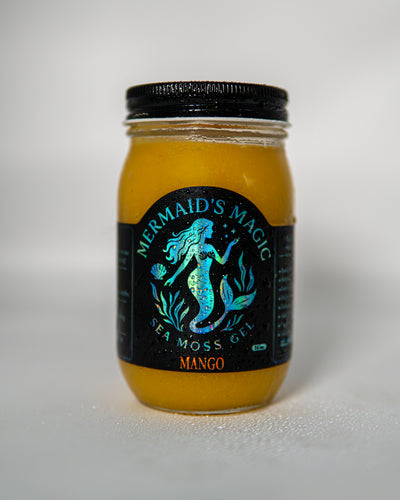
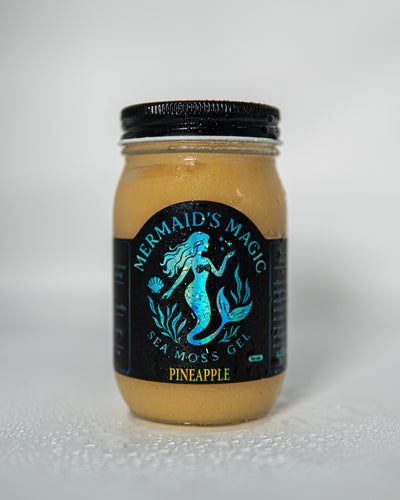
This is where Mermaid's Magic has a genuine advantage for families. Our sea moss gel is blended with real whole fruit — not artificial flavoring or juice concentrates. The natural fruit flavor makes the sea moss much more palatable for children, and the fruit provides additional vitamins and fiber. Our Strawberry and Pineapple Mango flavors are parent favorites because kids actually enjoy the taste.
The "Invisible" Approach: Hide It in Foods
For kids who are suspicious of anything new (which is most kids), the best strategy is making sea moss completely invisible. The gel has a mild, smooth texture that disappears into countless foods:
- Smoothies: The number-one delivery method. Blend sea moss gel with banana, frozen berries, milk or yogurt, and a drizzle of honey. The fruit flavor completely masks the sea moss.
- Oatmeal: Stir a teaspoon into warm oatmeal with fruit and a touch of maple syrup. It blends right in.
- Yogurt parfaits: Mix into yogurt, then layer with granola and berries. Kids will never know.
- Applesauce: Stir directly into applesauce. The textures are similar enough that most kids won't notice any difference.
- Pancake or waffle batter: Add a teaspoon per serving into the batter before cooking. It cooks in completely.
- Popsicles: Blend sea moss gel with fruit juice or pureed fruit, pour into popsicle molds, and freeze. Kids get minerals disguised as a treat.
- Pasta sauce: A teaspoon stirred into marinara sauce is completely undetectable.
- Mashed potatoes: Mix it right in. The gel consistency blends perfectly.
Creative Recipes Kids Actually Love
The "Mermaid Smoothie"
This is our most popular kid-friendly recipe, and the name alone generates excitement:
- 1 banana
- 1/2 cup frozen blueberries
- 1 teaspoon Mermaid's Magic Sea Moss Gel (Strawberry or Pineapple Mango)
- 1/2 cup milk (dairy or plant-based)
- 1 teaspoon honey (optional, for kids over 1 year)
- Optional: handful of spinach (they won't taste it if you use enough berries)
Blend until smooth. Serve in a fun cup with a colorful straw. Tell them it's mermaid fuel. Watch it disappear.
Fruit Gummy Bites
Sea moss gel is already a gel — so making gummy-style snacks is surprisingly straightforward:
- 1/2 cup fruit juice (no sugar added)
- 2 tablespoons sea moss gel
- 1 tablespoon gelatin or agar-agar (for vegan option)
- 1 teaspoon honey or maple syrup
Heat juice gently, whisk in gelatin and sea moss gel, pour into silicone molds (star shapes, hearts, fish — whatever gets your kids excited), and refrigerate for 2 hours. Homemade gummy vitamins with actual nutrition.
Frozen Fruit Bark
- 1 cup yogurt
- 2 teaspoons sea moss gel
- Assorted berries, sliced banana, granola for topping
Mix yogurt and sea moss gel, spread on a parchment-lined baking sheet, top with fruit and granola, freeze for 2+ hours, break into pieces. A healthy snack that looks and feels like a treat.
Picky Eater Strategies That Actually Work
If your child is a highly selective eater, here are field-tested strategies from real parents in our community:
Don't Announce It
The single most effective strategy is simply not telling your child you've added sea moss to their food. If they can't see it or taste it, they can't reject it. This isn't deceptive — it's practical nutrition. You don't announce every ingredient in their meals; sea moss is just another one.
Let Them Participate
For older kids who are curious rather than resistant, involvement is powerful. Let them help make their own smoothie. Let them choose which fruit to blend with the sea moss gel. Let them pick the popsicle molds. When children have ownership over their food, they're dramatically more willing to try it.
Start with What They Already Eat
Don't introduce sea moss in a new food. Add it to something they already eat and love every day. If they eat yogurt every morning, that's your delivery vehicle. If they love mac and cheese, a teaspoon of sea moss gel stirred into the cheese sauce is completely undetectable.
The "One Bite" Rule
If your child does notice something different and resists, use the "one bite" approach: they try one small taste, and if they genuinely don't like it, they don't have to eat more. Research on children's food acceptance shows that it can take 10-15 exposures before a child accepts a new flavor — so don't give up after the first rejection.
What to Watch For
While sea moss is generally well-tolerated by children, here's what to monitor when you first introduce it:
Digestive Changes
Some children may experience slightly looser stools or mild gas when first starting sea moss. This is typically temporary as their digestive system adjusts to the prebiotic fiber. If it persists beyond a few days, reduce the amount and increase more gradually.
Allergic Reactions
True sea moss allergies are rare, but possible. Watch for any signs of allergic reaction during the first several introductions: hives, swelling, difficulty breathing, or unusual rash. If any of these occur, stop immediately and consult your pediatrician. Note that sea moss is not a shellfish and does not contain shellfish proteins, but individuals with severe marine allergies should exercise extra caution.
Thyroid Sensitivity
Because sea moss contains iodine, excessive intake could theoretically affect thyroid function — particularly in children with pre-existing thyroid conditions. This is why sticking to age-appropriate doses is important and why a pediatrician consultation is recommended.
Quality Matters
When feeding sea moss to children, product quality is non-negotiable. Look for:
- Wild-harvested (not pool-grown) sea moss
- Lab tested for heavy metals and contaminants
- Real fruit ingredients (not artificial flavoring) — read the label carefully
- No artificial preservatives, colors, or sweeteners
- A reputable brand that's transparent about sourcing
This is exactly why we're particular about how we make our gel at Mermaid's Magic. Every jar contains wild-harvested Caribbean sea moss, spring water, and real whole fruit. That's it. No fillers, no chemicals, nothing you wouldn't be comfortable feeding your family. To learn more about how our process differs from competitors, check out our article on real fruit vs. natural flavoring in sea moss gel.
What Pediatricians Say About Sea Moss for Children
Most pediatricians are familiar with sea moss as a traditional food, though it's still relatively new in mainstream pediatric nutrition conversations. Generally, pediatricians are supportive of whole-food mineral sources for children when:
- The product is from a reputable source and lab tested
- Dosing is age-appropriate
- It's introduced gradually
- It's used as a nutritional supplement, not a medicine
- Parents aren't using it to replace a balanced diet
The most common pediatric feedback we hear is: "If your child will eat it, it's a better source of minerals than a synthetic multivitamin." Doctors generally prefer nutrients from food sources over supplements when possible — and sea moss, as a whole food, fits that philosophy.
Building a Family Sea Moss Routine
The easiest way to make sea moss work for kids is to make it a family habit. When everyone takes their sea moss together in the morning — parents and children alike — it becomes just another part of the routine, not something special or suspicious.
Many of our Mermaid's Magic families do a morning "smoothie bar" where everyone picks their fruit and blends their own smoothie with a spoon of sea moss gel. It takes five minutes, the kids feel empowered, and the entire family starts the day with real, mineral-rich nutrition.
That's the kind of small daily habit that compounds over years into genuinely better health — for everyone in the household.
Nutrition Your Whole Family Will Love
Real whole fruit. 92 essential minerals. Flavors kids actually enjoy. Ingredients parents actually trust.
Keep Reading
- 15 Science-Backed Sea Moss Benefits You Need to Know
- What Is Sea Moss? The Complete Beginner's Guide to This Caribbean Superfood
- Sea Moss Nutrition Facts: The Complete Mineral Breakdown
- How Sea Moss Supports Your Immune System Year-Round
Ready to try sea moss? Shop our fruit-infused sea moss gel collection — made with real whole fruit, wild-harvested Caribbean sea moss, and nothing artificial.