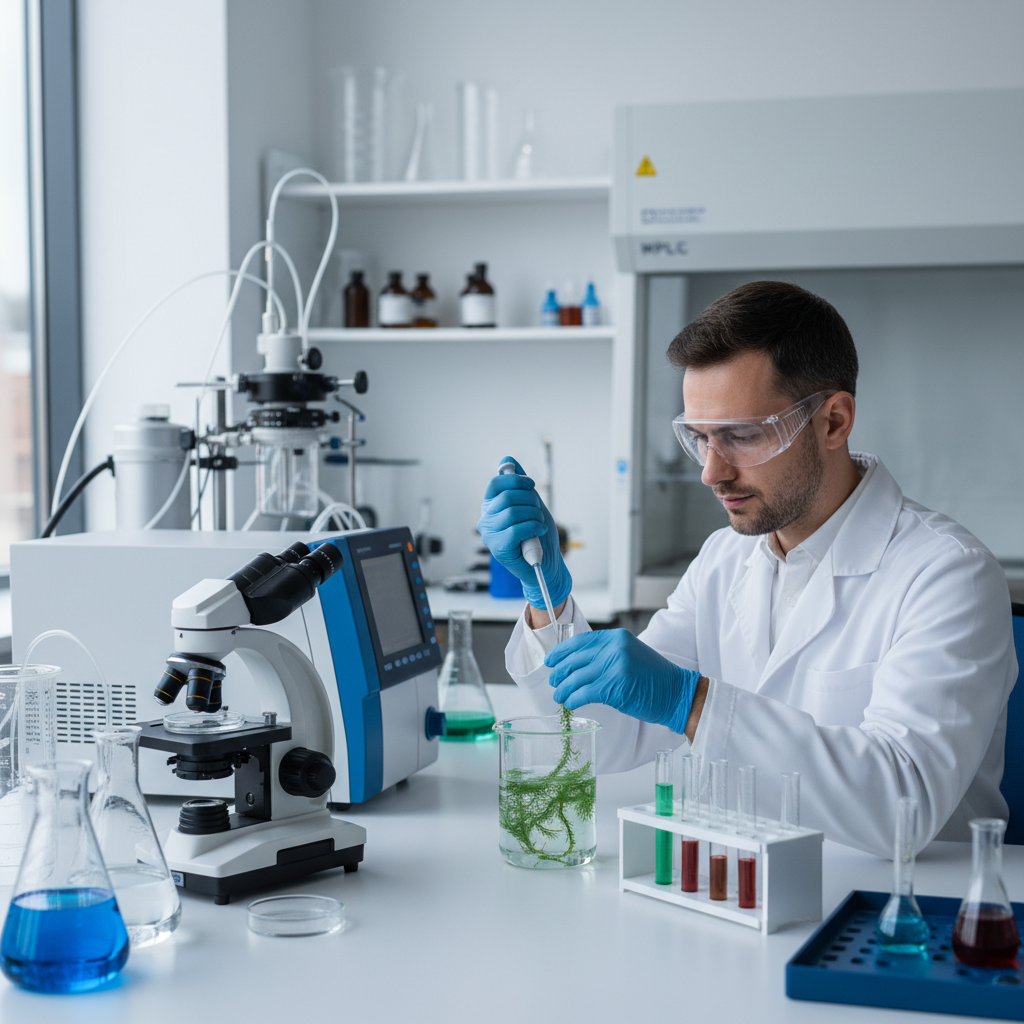
Sea Moss and Heavy Metal Testing: Why Lab Testing Matters
Sea Moss Knowledge Hub
Sea Moss and Heavy Metal Testing: Why Lab Testing Matters
Sea moss has exploded in popularity, but not all sea moss is created equal. One of the most important yet least discussed topics in the sea moss industry is sea moss heavy metal testing. Because sea moss absorbs minerals directly from ocean water, it can also absorb contaminants like lead, arsenic, mercury, and cadmium if harvested from polluted waters. Understanding how to identify properly tested sea moss is essential for your safety.
Why Heavy Metals in Sea Moss Are a Legitimate Concern
Sea moss is a type of algae that grows attached to rocks in coastal ocean environments. Like a sponge, it absorbs whatever is in the surrounding water, which is exactly why it is so mineral-rich. The same absorption mechanism that concentrates beneficial minerals like calcium, magnesium, and iodine can also concentrate harmful heavy metals if the water is contaminated.
Industrial pollution, agricultural runoff, mining waste, and shipping traffic all introduce heavy metals into ocean waters. Coastal areas near industrial zones, heavily populated cities, or agricultural regions tend to have higher concentrations of these contaminants.
The four heavy metals of greatest concern in sea moss are:
- Lead: A neurotoxin that can cause cognitive impairment, kidney damage, and developmental issues in children. There is no safe level of lead exposure according to the WHO.
- Arsenic: Linked to cancer, cardiovascular disease, and skin disorders. Both organic and inorganic forms can be present in marine algae, with inorganic arsenic being the more dangerous form.
- Mercury: Damages the nervous system, kidneys, and immune system. Methyl mercury is particularly dangerous because it bioaccumulates up the food chain.
- Cadmium: Accumulates in the kidneys over time and can cause renal failure, bone demineralization, and cancer with chronic exposure.
These metals are invisible, odorless, and tasteless. You cannot detect their presence by looking at, smelling, or tasting sea moss. The only way to know whether sea moss is safe is through laboratory analysis.
How Sea Moss Heavy Metal Testing Works
Professional heavy metal testing for sea moss involves several sophisticated analytical techniques performed by accredited laboratories. Here is an overview of the process:
Sample Collection
A representative sample from each batch of sea moss is collected for testing. Proper sampling is critical because heavy metal concentrations can vary even within a single harvest. Responsible companies test every batch, not just one sample from an entire season's harvest.
Sample Preparation
The sea moss sample is dried, weighed, and then digested using strong acids (typically nitric acid and hydrochloric acid) in a controlled process called acid digestion. This breaks down the organic material and dissolves the metals into a solution that can be analyzed.
Analytical Methods
The most common methods used for heavy metal analysis include:
- ICP-MS (Inductively Coupled Plasma Mass Spectrometry): The gold standard for trace metal analysis. It can detect metals at parts-per-billion concentrations, making it extremely sensitive and accurate.
- ICP-OES (Inductively Coupled Plasma Optical Emission Spectrometry): Similar to ICP-MS but uses optical emission rather than mass detection. Slightly less sensitive but still highly accurate for most applications.
- AAS (Atomic Absorption Spectroscopy): An older but still reliable method that measures one element at a time. Less efficient than ICP methods but adequate for targeted testing.
Results Interpretation
Test results report the concentration of each metal in parts per million (ppm) or parts per billion (ppb). These results are compared against established safety limits set by organizations like the FDA, WHO, and California's Proposition 65 standards, which are among the strictest in the world.
What Are the Safe Limits for Heavy Metals?
Different regulatory bodies have established maximum allowable limits for heavy metals in food and supplements. Here are the key benchmarks:
- Lead: California Prop 65 limit is 0.5 mcg/day. FDA action level for food is variable by product. The general consensus for supplements is under 1 ppm.
- Arsenic: FDA has proposed limits of 10 ppb for inorganic arsenic in certain foods. WHO drinking water standard is 10 ppb. For sea moss, total arsenic should be tested along with speciation to determine the inorganic arsenic fraction.
- Mercury: FDA action level for fish is 1 ppm for methyl mercury. Supplements should test well below this level. Sea moss generally has lower mercury levels than fish because mercury bioaccumulates more in the animal food chain.
- Cadmium: California Prop 65 limit is 4.1 mcg/day. EU maximum level for seaweed supplements is 3 ppm. Quality sea moss should test below 1 ppm.
At Mermaid's Magic, we test every batch of our wild-harvested Caribbean sea moss against these standards and only release product that meets or exceeds the strictest available benchmarks. Our commitment to sea moss heavy metal testing is non-negotiable because your safety is our foundation.
The Problem With Untested Sea Moss
The sea moss market has grown rapidly, and unfortunately, much of the sea moss sold online and in stores has never been tested for heavy metals. Here is why that is dangerous:
No Regulation Requirement
Sea moss sold as a food or supplement is not required by the FDA to undergo heavy metal testing before being sold. While the FDA has the authority to take action against products that are found to be contaminated, there is no pre-market testing requirement. This means sellers can harvest sea moss from any location and sell it without ever testing it.
Unknown Harvesting Locations
Many sea moss sellers do not disclose where their sea moss is harvested. Even those who claim Caribbean or Irish origins may be sourcing from areas near industrial zones, ports, or agricultural runoff areas. Without testing, the harvesting location's contamination profile is unknown.
Pool-Grown Sea Moss Risks
Some sea moss is grown in pools or tanks rather than harvested from the ocean. While this can be done safely, pool-grown sea moss is only as clean as the water used to grow it. Without testing, there is no way to verify the water quality or the resulting sea moss purity.
Cumulative Exposure Risk
Heavy metals accumulate in the body over time. If you are taking sea moss daily for its health benefits, even low levels of contamination can add up to meaningful exposure over months and years. This makes testing especially important for products intended for regular, long-term consumption.
How Mermaid's Magic Ensures Sea Moss Safety
Our approach to quality and safety goes beyond the industry standard. Here is how Mermaid's Magic protects you:
- Wild-harvested from clean Caribbean waters: We source our sea moss from pristine Caribbean harvesting areas far from industrial pollution, shipping lanes, and agricultural runoff.
- Batch-by-batch lab testing: Every batch of raw sea moss is tested by an independent, accredited laboratory before it enters our production facility. We do not use any sea moss that fails our quality standards.
- FDA-registered facility: Our commercial kitchen in Pensacola, Florida is FDA registered, meaning we follow food safety protocols and are subject to FDA oversight.
- Full traceability: We maintain records that allow us to trace any jar of sea moss gel back to its specific harvest batch and corresponding lab test results.
- No shortcuts: We never blend tested and untested batches, never source from unknown suppliers to fill demand spikes, and never compromise testing to speed up production.
Beyond Heavy Metals: Other Contaminants to Test For
While heavy metals are the primary concern, comprehensive sea moss testing should also screen for:
Microbial Contamination
Bacteria like E. coli, Salmonella, and Listeria can contaminate sea moss during harvesting, processing, or storage. Microbial testing ensures the product is safe to consume, especially since sea moss gel is a moist, nutrient-rich environment where bacteria can grow.
Pesticides and Herbicides
Agricultural chemicals can enter ocean waters through runoff. While less common in open-ocean sea moss, this is a concern for sea moss harvested near agricultural coastlines.
Mold and Mycotoxins
Improper drying or storage of raw sea moss can lead to mold growth. Certain molds produce mycotoxins, which are harmful compounds that can cause liver damage and other health issues.
Radioactive Contamination
Following events like the Fukushima nuclear disaster, some consumers are concerned about radioactive contamination in marine products. While Caribbean sea moss is geographically distant from such events, comprehensive testing programs may include radionuclide screening for additional assurance.
How to Evaluate a Sea Moss Brand's Testing Claims
Many sea moss brands claim to be lab tested, but not all testing claims are equally meaningful. Here is how to evaluate them:
Ask for Certificates of Analysis (COAs)
A legitimate COA is a document from an independent, accredited laboratory that details the specific tests performed and their results. It should include the laboratory name, accreditation number, date of testing, batch or lot number, specific analytes tested, results, and acceptable limits.
Verify the Laboratory
The testing laboratory should be ISO 17025 accredited, which is the international standard for testing and calibration laboratories. You can verify a laboratory's accreditation through organizations like A2LA (American Association for Laboratory Accreditation) or ILAC (International Laboratory Accreditation Cooperation).
Check Testing Frequency
A brand that tested one batch two years ago is not the same as a brand that tests every batch. Ask how frequently testing is performed and whether they test incoming raw materials, finished products, or both.
Look for Specific Results, Not Vague Claims
Beware of brands that say "lab tested" without specifying what was tested for, what the results were, or which laboratory performed the testing. Transparency is the hallmark of a brand that has nothing to hide.
Third-Party vs. In-House Testing
Third-party testing by an independent laboratory is far more credible than in-house testing performed by the company itself. Independent labs have no financial incentive to produce favorable results.
The True Cost of Cheap Sea Moss
It is tempting to buy the cheapest sea moss available, but consider what corners are being cut to offer those low prices. Lab testing is not free. Each round of comprehensive testing costs hundreds to thousands of dollars depending on the panel of analytes tested. Brands that skip testing save significantly on costs, which is why they can offer lower prices.
However, the cost of consuming contaminated sea moss can be far greater. Chronic low-level heavy metal exposure can cause:
- Neurological damage and cognitive decline
- Kidney and liver damage
- Increased cancer risk
- Hormonal disruption
- Immune system suppression
- Reproductive health issues
- Developmental problems in children
When you choose Mermaid's Magic, you are not just paying for sea moss gel. You are paying for the testing, quality control, FDA-registered production, and peace of mind that every spoonful is safe for you and your family.
What to Do If You Are Currently Taking Untested Sea Moss
If you have been taking sea moss from a brand that does not provide lab testing documentation, do not panic. Here are steps to take:
- Contact the brand: Ask specifically for their most recent Certificate of Analysis showing heavy metal testing results. A reputable brand will provide this readily.
- Evaluate their response: If they cannot or will not provide testing documentation, consider switching to a brand that can.
- Talk to your doctor: If you are concerned about past exposure, a simple blood test can check your levels of lead, mercury, and other heavy metals. Most exposures from food sources are low-level and your body can excrete these metals over time once exposure stops.
- Switch to a tested brand: Going forward, prioritize brands like Mermaid's Magic that are transparent about their testing protocols and can verify their claims with documentation.
The Future of Sea Moss Regulation and Testing
As the sea moss industry matures, we anticipate stricter regulations and testing requirements. Several trends point in this direction:
- Increasing FDA scrutiny of the supplements and superfoods market
- Growing consumer demand for transparency and third-party testing
- Media investigations exposing contaminated products
- Industry organizations developing voluntary quality standards
- State-level regulations like California Prop 65 pushing national standards higher
Brands that invest in testing and quality control now will be positioned to thrive as regulations tighten. Brands that cut corners will eventually be exposed or forced to comply. At Mermaid's Magic, we welcome stricter standards because we already exceed them.
Frequently Asked Questions About Sea Moss Heavy Metal Testing
Does all sea moss contain heavy metals?
All sea moss contains trace amounts of naturally occurring metals because it absorbs everything in seawater. The question is whether those levels are within safe limits. Properly sourced and tested sea moss from clean waters typically has very low levels that pose no health risk.
Is wild-harvested sea moss safer than pool-grown?
Not necessarily. Wild-harvested sea moss from clean, remote waters is generally excellent, but wild-harvested sea moss from polluted areas can be contaminated. Pool-grown sea moss depends on the water quality used. Testing is the only reliable way to determine safety regardless of the growing method.
Can washing sea moss remove heavy metals?
No. Heavy metals are absorbed into the cellular structure of the sea moss. Rinsing, soaking, or washing cannot remove them. Only proper sourcing from clean waters and verification through testing can ensure low heavy metal levels.
How often should sea moss be tested?
Every batch of raw sea moss should be tested before it is processed into consumer products. Ocean conditions change, harvesting locations may shift, and each harvest is unique. Batch-by-batch testing is the only way to ensure consistent safety.
Try Mermaid's Magic Sea Moss Gel
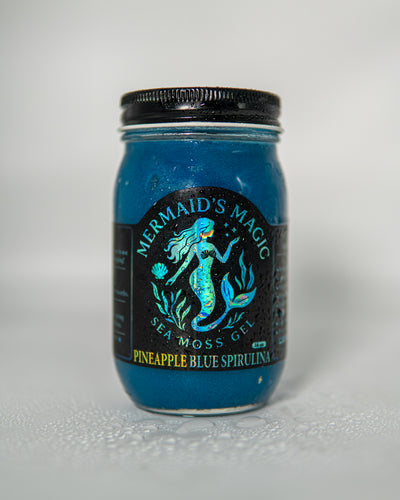
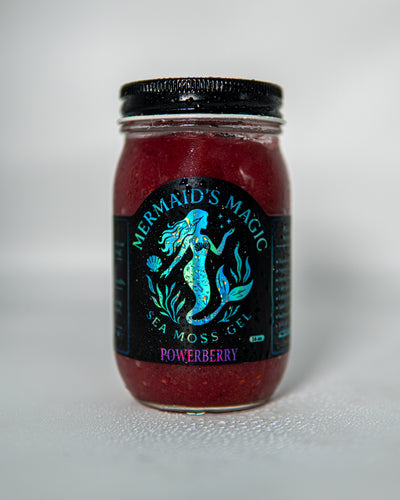
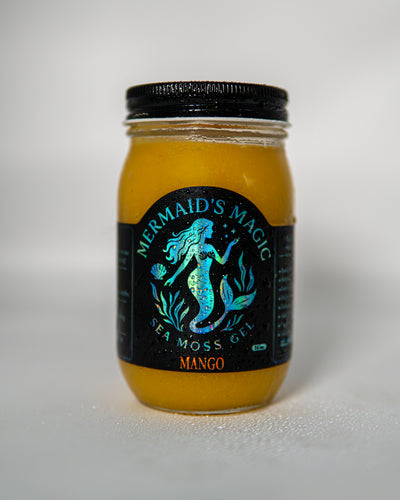
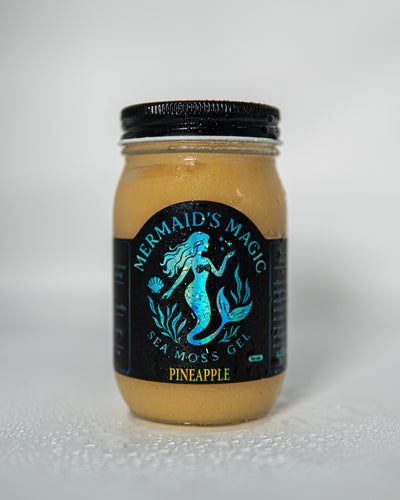
When it comes to something you put in your body every day, quality is not optional. Mermaid's Magic sea moss gel is wild-harvested from clean Caribbean waters, lab tested for heavy metals and contaminants, and prepared in our FDA-registered kitchen in Pensacola, Florida. Every batch is verified for purity so you never have to wonder what is in your jar. Vegan, non-GMO, no preservatives, and made with real whole fruit.