Sea Moss Knowledge Hub
Sea Moss for Eczema & Psoriasis: Skin Relief from the Sea
Living with eczema or psoriasis means dealing with more than skin deep discomfort. The itching, flaking, redness, and self-consciousness that come with chronic skin conditions affect every aspect of daily life. While there is no single cure, the right nutrition can make a profound difference in flare frequency and severity. Sea moss eczema and psoriasis support has gained tremendous popularity because this mineral-rich seaweed delivers anti-inflammatory compounds, skin-essential vitamins, and gut-healing properties that address inflammatory skin conditions from the inside out.
What Are Eczema and Psoriasis?
Though often confused, eczema and psoriasis are distinct conditions with different underlying mechanisms, both involving chronic inflammation of the skin.
Eczema (Atopic Dermatitis)
Eczema is the most common inflammatory skin condition, affecting approximately 31.6 million Americans. It is characterized by dry, itchy, inflamed patches of skin that can crack, weep, and become infected. Eczema is fundamentally a barrier function disorder: the skin's protective outer layer does not retain moisture or block irritants effectively. This allows allergens, bacteria, and environmental triggers to penetrate the skin and provoke an immune response.
Eczema is closely linked to the immune system, gut health, and genetic factors affecting the protein filaggrin, which is essential for skin barrier integrity. It often coexists with allergies and asthma in what is known as the atopic triad.
Psoriasis
Psoriasis is an autoimmune condition that causes the rapid overproduction of skin cells. While normal skin cells turn over every 28 to 30 days, psoriatic skin cells cycle in just 3 to 4 days, creating thick, scaly plaques that are often red, raised, and covered in silvery-white scales. Psoriasis affects approximately 7.5 million adults in the United States.
The overactive immune response in psoriasis involves T cells that mistakenly attack healthy skin cells, triggering inflammation and accelerated cell production. Psoriasis is associated with systemic inflammation throughout the body and increases the risk of cardiovascular disease, psoriatic arthritis, diabetes, and depression.
The Common Thread: Inflammation
Despite their different mechanisms, both eczema and psoriasis are driven by chronic inflammation and immune dysregulation. This is precisely why sea moss, with its powerful anti-inflammatory and immune-modulating properties, is relevant to both conditions.
How Sea Moss Supports Skin Healing
Anti-Inflammatory Compounds
The sulfated polysaccharides in sea moss, particularly carrageenan, have been shown to inhibit the production of pro-inflammatory cytokines including TNF-alpha, IL-1beta, and IL-6. These are the same inflammatory mediators that drive the immune overreaction in both eczema and psoriasis. By modulating these cytokines, sea moss may help reduce the intensity and duration of flare-ups.
Research published in Marine Drugs has demonstrated that bioactive compounds from red seaweeds exhibit immunomodulatory effects that can help rebalance an overactive immune response, which is exactly what is needed in autoimmune and allergic skin conditions.
Skin-Essential Vitamins
Sea moss delivers vitamins that are critical for skin health:
- Vitamin A: Supports skin cell turnover and differentiation. Retinoids, which are vitamin A derivatives, are among the most effective treatments for psoriasis. Dietary vitamin A from sea moss supports these same pathways naturally.
- Vitamin C: Essential for collagen production and skin barrier repair. Also a powerful antioxidant that protects skin cells from oxidative damage.
- Vitamin E: A fat-soluble antioxidant that protects cell membranes and supports skin moisture retention.
- Vitamin K: Supports wound healing and may help reduce the redness and discoloration associated with inflammatory skin patches.
Sulfur for Skin Health
Sea moss is a natural source of sulfur, a mineral that has been used in dermatology for centuries. Sulfur has antibacterial, antifungal, and keratolytic (scale-softening) properties that are particularly relevant for psoriasis. It helps soften and remove the thick, scaly buildup characteristic of psoriatic plaques while supporting the production of collagen and keratin, the structural proteins of healthy skin.
Zinc for Immune Regulation and Skin Repair
Zinc is essential for skin cell proliferation, immune function, and wound healing. Studies have consistently shown that people with eczema and psoriasis tend to have lower zinc levels than those without skin conditions. Zinc supplementation has been associated with improved skin symptoms in clinical trials. Sea moss provides zinc in a bioavailable whole-food form that is gentle on the digestive system.
Omega-3 Fatty Acids
While sea moss is not a primary omega-3 source, it does contain trace amounts that contribute to the overall anti-inflammatory profile. Omega-3 fatty acids are one of the most studied nutrients for inflammatory skin conditions, with multiple clinical trials showing benefits for both eczema and psoriasis severity.
The Gut-Skin Connection: Why Internal Sea Moss Matters
One of the most important concepts in modern dermatology is the gut-skin axis, the bidirectional relationship between gut health and skin health. Research has revealed that people with eczema and psoriasis often have altered gut microbiomes, increased intestinal permeability (leaky gut), and elevated markers of gut inflammation.
When the gut barrier is compromised, bacterial fragments and undigested proteins can enter the bloodstream and trigger immune responses that manifest as skin inflammation. This is why many people notice that their skin flares worsen when their digestion is off, and improve when they address gut health.
Sea moss is uniquely positioned to support the gut-skin axis:
- Prebiotic polysaccharides: Feed beneficial gut bacteria, promoting microbial diversity and balance
- Mucilaginous coating: Soothes and protects the intestinal lining, helping to seal a leaky gut
- Anti-inflammatory compounds: Reduce gut inflammation that drives systemic immune activation
- Mineral replenishment: Provides nutrients that support gut barrier integrity, including zinc, vitamin A, and selenium
By healing the gut, sea moss addresses one of the root causes of inflammatory skin conditions rather than just treating surface symptoms. This is why Mermaid's Magic recommends consuming sea moss gel internally for skin health benefits, even though topical application can also provide relief.
Using Sea Moss Internally for Skin Conditions
Internal consumption of sea moss gel is the most effective way to deliver its skin-supporting nutrients to the entire body. Here is how to approach it:
Daily Protocol
- Morning: Take one to two tablespoons of Mermaid's Magic sea moss gel blended into a smoothie with anti-inflammatory ingredients like blueberries, turmeric, ginger, and flaxseed
- Consistency: Take sea moss daily for at least six to eight weeks before evaluating results. Skin cell turnover takes approximately 28 days, so changes require patience
- Hydration: Drink plenty of water alongside your sea moss. Proper hydration is essential for skin barrier function and helps the body utilize the minerals in sea moss
Skin-Healing Smoothie Recipe
This smoothie combines multiple skin-supporting ingredients with sea moss for maximum benefit:
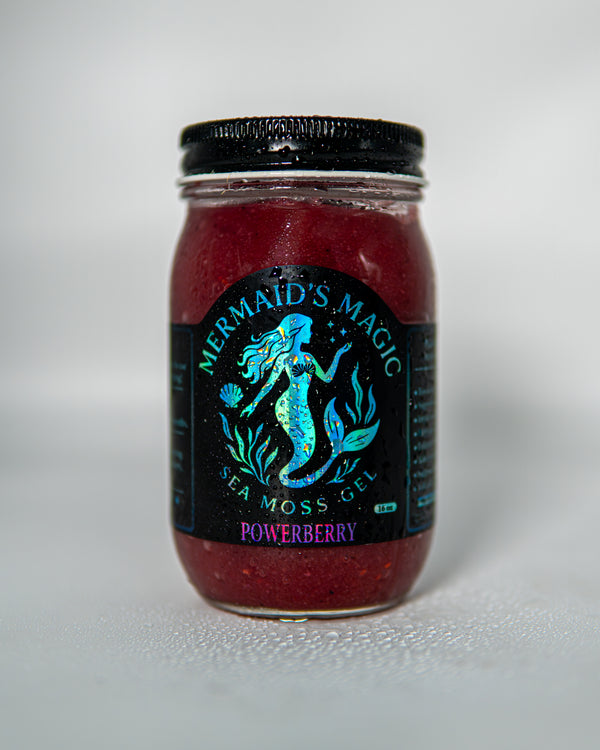
- 2 tablespoons Mermaid's Magic blueberry sea moss gel
- 1 cup unsweetened almond or oat milk
- Half an avocado (healthy fats for skin moisture)
- 1 tablespoon ground flaxseed (omega-3s)
- Half teaspoon turmeric powder (anti-inflammatory)
- 1 tablespoon hemp seeds (gamma-linolenic acid, studied for eczema)
- Handful of spinach (folate, iron, vitamin A)
Using Sea Moss Topically for Eczema and Psoriasis
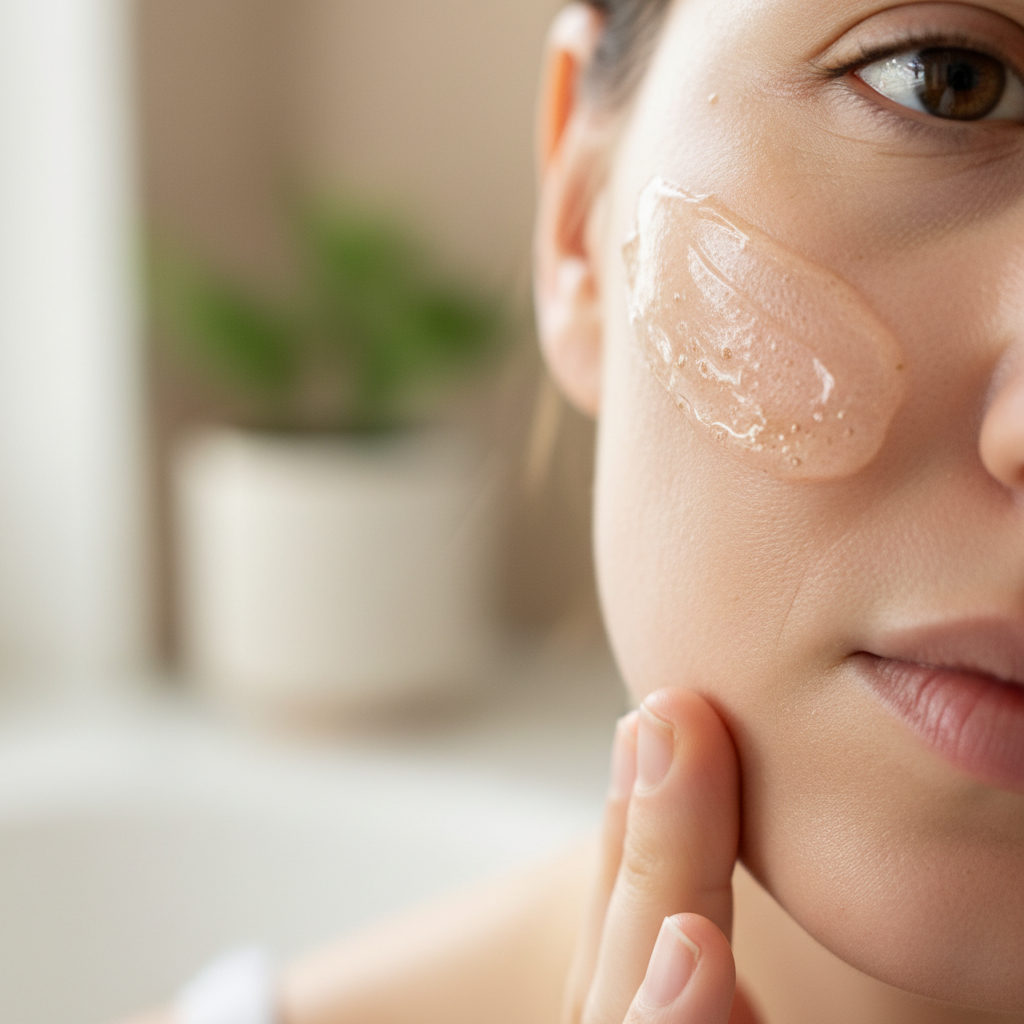
In addition to internal consumption, sea moss gel can be applied directly to affected skin areas. The topical application provides:
- Intense hydration: Sea moss gel is deeply moisturizing and helps the skin retain water, which is critical for eczema-prone skin that loses moisture rapidly
- Mineral delivery: Sulfur, zinc, and other minerals are absorbed through the skin and can support local repair processes
- Anti-inflammatory soothing: Direct application of the mucilaginous gel calms itching and reduces redness on contact
- Barrier support: The gel forms a protective film that shields sensitive skin from environmental irritants
How to Apply Sea Moss Topically
- Clean the affected area gently with lukewarm water and a fragrance-free cleanser
- Pat skin dry (do not rub)
- Apply a thin layer of plain sea moss gel to the affected area
- Allow to absorb for 15 to 20 minutes
- Follow with your regular moisturizer to seal in the benefits
- For ongoing care, apply once or twice daily
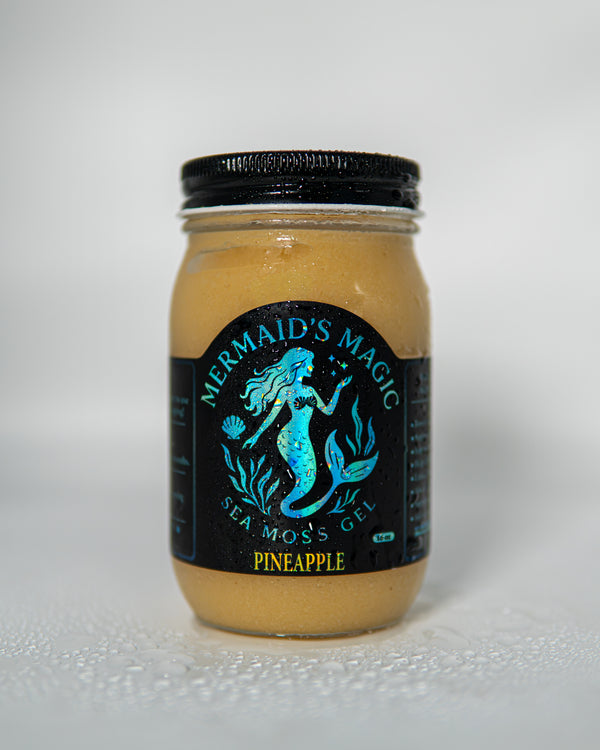
For topical use, plain or mildly flavored sea moss gel works best. Mermaid's Magic also offers a sea moss hair serum that delivers sea moss benefits in a topical format, though for skin conditions specifically, the gel is the most versatile option.
Always patch test any new topical product on a small area of skin before widespread application, especially if you have sensitive or reactive skin.
Dietary Strategies That Enhance Sea Moss Benefits for Skin
Sea moss works best as part of a skin-friendly diet. The following dietary strategies amplify its benefits:
- Increase omega-3 intake: Eat fatty fish like salmon, sardines, and mackerel two to three times per week. For plant-based eaters, include walnuts, chia seeds, and flaxseeds daily.
- Eat the rainbow: Colorful fruits and vegetables provide diverse antioxidants that protect skin from oxidative damage. Aim for five to nine servings daily.
- Include fermented foods: Yogurt, kefir, sauerkraut, and kimchi provide probiotics that support the gut-skin axis.
- Minimize inflammatory triggers: Reduce or eliminate refined sugar, processed seed oils, alcohol, and foods you have identified as personal triggers.
- Stay hydrated: Aim for at least eight glasses of water daily. The electrolytes in sea moss support cellular hydration.
- Consider an elimination diet: Many people with eczema have food sensitivities to dairy, gluten, eggs, or soy. An elimination diet under medical guidance can help identify triggers.
Sea Moss for Children with Eczema
Eczema is extremely common in children, affecting up to 20 percent of kids. Many parents are interested in natural approaches to support their children's skin health. Sea moss is a whole food and is generally considered safe for children in age-appropriate portions:
- Ages 2-5: One-half to one teaspoon of sea moss gel daily, mixed into smoothies or applesauce
- Ages 6-12: One to two teaspoons daily
- Teens: One tablespoon daily, similar to an adult serving
Always consult your pediatrician or pediatric dermatologist before introducing sea moss to a child's diet, especially if the child has thyroid concerns or is taking medications. For topical use on children, perform a patch test on a small area and wait 24 hours before broader application.
Managing Flare-Ups with Sea Moss
During active flare-ups, consider intensifying your sea moss protocol:
- Increase internal consumption to two tablespoons daily
- Apply sea moss gel topically to affected areas two to three times daily
- Focus on anti-inflammatory foods and eliminate known dietary triggers
- Increase water intake to support skin hydration from within
- Manage stress, which is a common flare trigger, through meditation, gentle exercise, and adequate sleep
- Continue any prescribed medications as directed by your dermatologist
Between flare-ups, maintain a daily sea moss routine to support baseline skin health and potentially reduce the frequency of future episodes. Mermaid's Magic customers with chronic skin conditions often report that consistent daily use leads to progressively longer periods between flare-ups.
Frequently Asked Questions
Can sea moss cure eczema or psoriasis?
No. Eczema and psoriasis are chronic conditions with complex genetic and immune components. Sea moss can support symptom management, reduce inflammation, and promote skin healing, but it is not a cure. It works best as part of a comprehensive approach that includes medical care, dietary optimization, and lifestyle management.
How long does it take to see skin improvements from sea moss?
Most people notice initial improvements in skin hydration and comfort within two to three weeks. More significant changes in flare frequency and severity typically develop over six to twelve weeks of consistent use, as the gut heals and mineral stores are replenished.
Is sea moss safe to use with topical steroids and other skin medications?
Sea moss gel is a whole food and generally does not interact with topical medications. However, when applying topically, apply your prescribed medications first, allow them to absorb, and then apply sea moss gel afterward. Discuss any supplement additions with your dermatologist.
Which Mermaid's Magic flavor is best for skin health?
All flavors provide the same sea moss mineral base. Blueberry and power berry offer additional antioxidants from their fruit content that specifically support skin health. For topical use, any flavor works, though unflavored gel avoids any potential fruit sensitivity on broken skin.
Try Mermaid's Magic Sea Moss Gel
Give your skin the mineral-rich support it deserves with Mermaid's Magic sea moss gel. Our wild-harvested Caribbean sea moss delivers anti-inflammatory polysaccharides, skin-essential vitamins, sulfur, zinc, and other naturally occurring minerals that nourish your skin from the inside out. Made with real whole fruit and no preservatives in our FDA-registered commercial kitchen in Pensacola, Florida. Whether you use it internally, topically, or both, Mermaid's Magic sea moss gel is a powerful addition to your skin health routine. Free shipping on orders over $100.