Sea Moss and Bone Health: Calcium, Magnesium & Beyond
Sea Moss Knowledge Hub
Sea Moss and Bone Health: Calcium, Magnesium & Beyond
Strong bones require far more than just calcium. The truth is that bone health depends on a complex interplay of dozens of minerals working together, and this is exactly what makes sea moss bone health support so remarkable. With 92 essential minerals including calcium, magnesium, phosphorus, zinc, manganese, and boron, sea moss provides the most comprehensive natural mineral matrix for building and maintaining strong, resilient bones throughout your life.
The Bone Health Crisis You Need to Know About
Osteoporosis and low bone density affect an estimated 54 million Americans. One in two women and one in four men over 50 will break a bone due to osteoporosis. Hip fractures in particular carry a 20 percent mortality rate within the first year, making bone health a matter of life and death, not just comfort.
What makes this crisis particularly frustrating is that the conventional approach to bone health, which focuses almost exclusively on calcium supplementation, has largely failed. Studies have shown that calcium supplements alone do not significantly reduce fracture risk and may even increase cardiovascular risk when taken in isolation. The reason is straightforward: bones need much more than calcium to stay strong.
How Bones Actually Work
To understand why sea moss is so effective for bone health, you need to understand what bones actually are. Bones aren't static structures. They're living, dynamic tissues that are constantly being broken down and rebuilt in a process called bone remodeling.
Two types of cells drive this process:
- Osteoclasts break down old or damaged bone tissue
- Osteoblasts build new bone tissue to replace it
When you're young, osteoblast activity outpaces osteoclast activity, and your bones grow stronger. Around age 30, bone density peaks. After that, the balance gradually shifts, and bone breakdown begins to outpace bone building, especially if nutritional support is inadequate.
Bone tissue itself has two main components: a collagen matrix that provides flexibility and structure, and mineral deposits that provide hardness and strength. The mineral component is primarily calcium and phosphorus in the form of hydroxyapatite crystals, but dozens of other trace minerals are embedded within this structure and are essential for its integrity.
The Essential Bone-Building Minerals in Sea Moss
Calcium: The Foundation
Calcium is the most abundant mineral in bone tissue, making up about 99 percent of the body's total calcium stores. Sea moss provides calcium in a natural, whole-food form that is more easily absorbed than many calcium supplements. Unlike isolated calcium carbonate supplements, the calcium in sea moss comes packaged with the cofactor minerals that ensure proper absorption and utilization.
Magnesium: The Calcium Director
Magnesium is arguably just as important as calcium for bone health, yet it receives far less attention. Approximately 60 percent of the body's magnesium is stored in bones, where it contributes to the structural integrity of bone crystals. Magnesium also regulates calcium metabolism, ensuring that calcium is deposited into bones rather than accumulating in soft tissues like arteries and kidneys.
Without adequate magnesium, calcium supplementation can actually be counterproductive. Sea moss provides both minerals in a balanced ratio, mimicking the way these minerals are found in nature.
Phosphorus: The Structural Partner
Phosphorus combines with calcium to form hydroxyapatite, the mineral compound that gives bones their hardness. About 85 percent of the body's phosphorus is found in bones and teeth. Sea moss provides phosphorus naturally, contributing to the calcium-phosphorus balance that determines bone crystal quality.
Zinc: The Bone Cell Activator
Zinc is essential for the activity of osteoblasts, the cells that build new bone. It also inhibits excessive osteoclast activity, helping to slow bone breakdown. Research has shown that zinc deficiency is associated with reduced bone density and increased fracture risk. The zinc in sea moss supports the cellular processes that keep bones actively regenerating.
Manganese: The Connective Tissue Mineral
Manganese is required for the formation of bone cartilage and connective tissue. It activates the enzymes responsible for producing proteoglycans, the molecules that form the framework where bone minerals are deposited. Low manganese levels have been associated with osteoporosis and poor bone healing.
Boron: The Mineral Metabolism Regulator
Boron is a trace mineral found in sea moss that plays a crucial role in bone health by regulating the metabolism of calcium, magnesium, and phosphorus. It also influences the production of steroid hormones, including estrogen and testosterone, which are important for maintaining bone density. Studies have shown that boron supplementation reduces urinary excretion of calcium and magnesium, effectively helping the body retain these bone-building minerals.
Silica: The Collagen Strengthener
Silica is needed for the cross-linking of collagen fibers within the bone matrix. Collagen provides the flexible framework that prevents bones from being too brittle. Without adequate silica, bones may have sufficient mineral content but lack the flexibility to resist fracture forces. Sea moss provides trace amounts of silica that support the collagen component of bone.
Iron, Copper, and Additional Trace Minerals
Iron is required for the conversion of vitamin D to its active form, which is essential for calcium absorption. Copper supports the formation of collagen cross-links in bone. Strontium, present in trace amounts in sea moss, has been studied for its ability to simultaneously stimulate bone formation and reduce bone resorption. The comprehensive mineral profile of sea moss provides a synergistic matrix that no single-mineral supplement can match.
Why the Whole-Food Mineral Matrix Matters
One of the most important concepts in bone health nutrition is mineral synergy. Minerals don't work in isolation. They depend on each other for absorption, transport, and utilization. Taking a calcium supplement without adequate magnesium, vitamin D, and trace minerals is like trying to build a house with bricks but no mortar.
Sea moss provides what scientists call a whole-food mineral matrix, a naturally occurring combination of minerals in the ratios and forms that the human body has evolved to recognize and utilize. This is fundamentally different from a multivitamin or individual mineral supplements, which provide isolated, synthetic forms of nutrients.
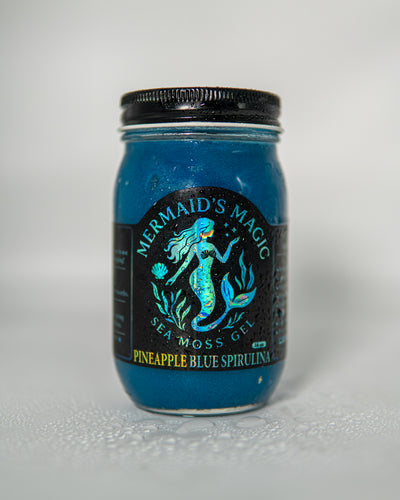
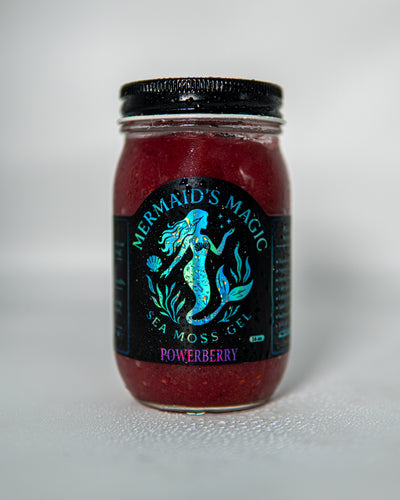
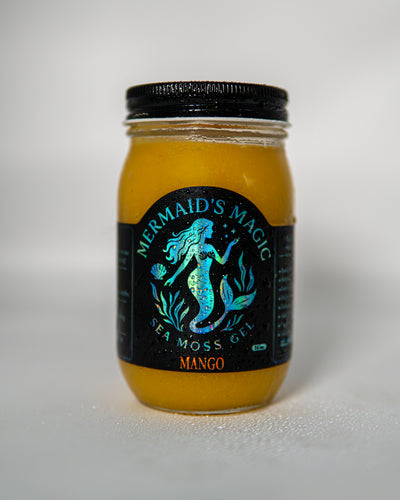
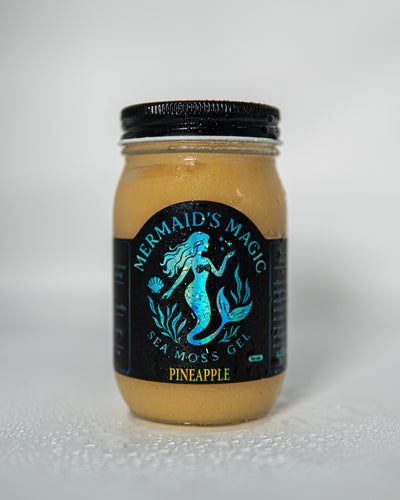
When you consume sea moss, your body receives calcium alongside the magnesium that directs it, the phosphorus it combines with, the zinc that activates bone-building cells, the manganese that forms the structural framework, and the boron that helps retain all of these minerals. This comprehensive approach to bone nutrition is what makes Mermaid's Magic sea moss gel such an effective foundation for bone health.
Sea Moss for Different Life Stages
Children and Adolescents
Peak bone mass is established during childhood and adolescence, making this the most critical period for bone development. The mineral density achieved by age 20 to 25 largely determines bone health for the rest of life. Sea moss provides growing bones with the full spectrum of minerals they need during this crucial building phase. Consult your pediatrician regarding appropriate amounts for children.
Adults Ages 25 to 50
During these years, the goal is maintaining the bone mass you've built. Consistent mineral intake from sea moss helps keep the bone remodeling cycle in balance, preventing premature bone loss. This is also when lifestyle factors like exercise, stress management, and nutrition have the greatest impact on long-term bone health.
Women During and After Menopause
The dramatic drop in estrogen during menopause accelerates bone loss significantly. Women can lose up to 20 percent of their bone density in the first five to seven years after menopause. Sea moss provides the intensified mineral support that women need during this vulnerable period. The iodine in sea moss also supports thyroid function, and thyroid imbalances can further accelerate bone loss.
Older Adults
After age 65, fracture risk increases substantially for both men and women. The comprehensive mineral support from sea moss, combined with weight-bearing exercise and adequate vitamin D, forms the foundation of a proactive bone protection strategy.
Beyond Minerals: Other Ways Sea Moss Supports Bones
Collagen Production
The collagen matrix within bones requires vitamin C, sulfur, and specific amino acids for proper formation. Sea moss provides all of these, supporting the flexible framework that prevents bones from becoming brittle even when mineral content is adequate.
Reducing Chronic Inflammation
Chronic inflammation accelerates bone loss by stimulating osteoclast activity. The anti-inflammatory compounds in sea moss, including sulfated polysaccharides and antioxidants, help reduce the inflammatory signaling that drives excessive bone resorption.
Gut Health and Mineral Absorption
You can consume all the bone-building minerals in the world, but if your gut can't absorb them, they're useless. Sea moss supports gut health through its prebiotic fiber and mucilaginous properties, optimizing the intestinal environment for mineral absorption. A healthy gut lining with intact tight junctions absorbs calcium, magnesium, and other minerals far more efficiently than an inflamed or compromised gut.
Thyroid Support
Thyroid hormones regulate bone metabolism. Both hypothyroidism and hyperthyroidism can cause bone loss. The iodine and selenium in sea moss support healthy thyroid function, which in turn supports healthy bone remodeling rates.
Practical Guide: Using Sea Moss for Bone Health
Daily Intake
One to two tablespoons of sea moss gel daily provides a meaningful mineral foundation for bone health. Consistency is critical because bone remodeling is a continuous process, and your body needs a steady supply of minerals to support it.
Maximizing Absorption
- Take with vitamin D: Vitamin D is essential for calcium absorption. Since sea moss doesn't provide significant vitamin D, pair it with sun exposure or a vitamin D supplement
- Include healthy fats: Fat-soluble nutrients are better absorbed when consumed with dietary fat. Add sea moss to smoothies with avocado or coconut oil
- Avoid taking with high-oxalate foods: Foods like spinach and rhubarb contain oxalates that can bind calcium and reduce absorption. Space sea moss consumption away from high-oxalate meals
- Limit caffeine around dosing time: Excessive caffeine can increase calcium excretion. Take sea moss at least an hour away from coffee
Exercise Synergy
Weight-bearing exercise is essential for bone health because it stimulates osteoblast activity. Running, walking, dancing, and resistance training all signal your body to build stronger bones. Sea moss provides the raw materials, and exercise provides the stimulus. Together, they create optimal conditions for bone building and maintenance.
Sea Moss vs. Common Bone Health Supplements
Sea Moss vs. Calcium Supplements
Isolated calcium supplements provide just one mineral without the cofactors needed for proper utilization. Studies have raised concerns about calcium supplements increasing cardiovascular risk by depositing calcium in arteries. Sea moss provides calcium alongside the magnesium that directs it to bones and the full mineral spectrum that supports proper metabolism.
Sea Moss vs. Calcium + Vitamin D Combos
While adding vitamin D to calcium is better than calcium alone, these supplements still miss the dozens of trace minerals that contribute to bone health. Sea moss provides the complete mineral foundation, though adding vitamin D alongside sea moss is recommended since sea moss is not a significant vitamin D source.
Sea Moss vs. Multivitamins
Most multivitamins contain synthetic mineral forms in arbitrary ratios. Sea moss provides minerals in their natural, whole-food forms in the ratios found in nature. The bioavailability of whole-food minerals typically exceeds that of synthetic supplements.
Frequently Asked Questions
Can sea moss reverse osteoporosis?
Sea moss alone cannot reverse established osteoporosis, but it provides the comprehensive mineral foundation that supports bone rebuilding. Used alongside weight-bearing exercise, adequate vitamin D, and medical treatment when necessary, sea moss is a valuable part of an osteoporosis management plan.
How long does it take for sea moss to benefit bone density?
Bone remodeling is a slow process. A complete bone remodeling cycle takes three to six months. Measurable improvements in bone density typically require six to twelve months of consistent nutritional support alongside exercise. Start now and be patient.
Is sea moss safe with osteoporosis medications?
Sea moss is a whole food and is generally safe alongside bone medications. However, some medications like bisphosphonates require specific timing away from food and mineral supplements. Consult your doctor about timing your sea moss intake around your medication schedule.
How much calcium does sea moss provide?
The calcium content varies by source and preparation, but sea moss provides meaningful amounts of calcium alongside the full spectrum of cofactor minerals. It should be viewed as part of your overall calcium intake from food sources rather than your sole calcium source.
Try Mermaid's Magic Sea Moss Gel
Your bones deserve more than just calcium. They need the complete mineral matrix that nature intended. Mermaid's Magic sea moss gel delivers 92 essential minerals from wild-harvested Caribbean sea moss, blended with real whole fruit for a delicious daily ritual. Vegan, non-GMO, lab tested, and prepared fresh in our FDA-registered kitchen in Pensacola, Florida, with zero preservatives. Build your bones on a foundation of whole-food nutrition.