Is Sea Moss FDA Approved? What You Need to Know
Sea Moss Knowledge Hub
Is Sea Moss FDA Approved? What You Need to Know
One of the most common questions we receive is: is sea moss FDA approved? It's a smart question that shows you care about what you put into your body. The answer involves understanding the difference between FDA "approval" and FDA "registration," how dietary supplements and whole foods are regulated in the United States, and what you should look for when choosing a sea moss product you can trust.
Understanding FDA Approval vs. FDA Registration
First, let's clear up a very important distinction that causes widespread confusion. The terms "FDA approved" and "FDA registered" mean completely different things, and understanding this difference is essential to evaluating any food or supplement product.
FDA Approval
FDA approval is a rigorous process primarily used for pharmaceutical drugs and medical devices. When a drug receives FDA approval, it means the FDA has reviewed extensive clinical trial data and determined that the drug is safe and effective for its intended use. This process can take years and cost hundreds of millions of dollars.
Critically, the FDA does not "approve" foods or dietary supplements in this same way. Whole foods like fruits, vegetables, grains, and sea vegetables (including sea moss) do not go through the drug approval process. This isn't a loophole or a lack of regulation — it's simply how the regulatory framework is designed. Foods have their own regulatory pathway.
FDA Registration
FDA registration is a requirement for food manufacturing facilities. Under the FDA Food Safety Modernization Act (FSMA), domestic food facilities must register with the FDA and comply with Current Good Manufacturing Practices (cGMPs). Registered facilities are subject to FDA inspection and must meet federal standards for food safety, sanitation, and handling.
So when you ask is sea moss FDA approved, the accurate answer is: sea moss as a food doesn't require or receive FDA "approval" — but the facilities that produce sea moss products can and should be FDA registered, meaning they meet federal food safety standards.
How the FDA Regulates Food Products
The FDA regulates food products through several mechanisms that ensure safety without requiring the same approval process as pharmaceuticals:
Generally Recognized as Safe (GRAS)
Many food ingredients, including carrageenan derived from sea moss, hold GRAS status with the FDA. This designation means that qualified experts have reviewed the available evidence and concluded that the substance is safe for its intended use in food. Sea moss and its derivatives have a long history of safe use in food production, dating back centuries in Caribbean and Irish cultures.
Food Facility Registration and Inspection
The FDA requires all domestic food manufacturing facilities to register and comply with food safety regulations. Registered facilities must:
- Maintain sanitary conditions — facilities must meet strict cleanliness and hygiene standards
- Follow Good Manufacturing Practices — standardized procedures for food handling, processing, and storage
- Implement hazard analysis — identify and control potential food safety risks
- Maintain records — document production processes, ingredient sourcing, and quality control measures
- Submit to inspections — FDA inspectors can visit registered facilities to verify compliance
Labeling Requirements
The FDA enforces strict labeling requirements for food products, including ingredient lists, nutrition facts, allergen declarations, and restrictions on health claims. Products that make false or misleading claims can face enforcement action.
Adverse Event Reporting
Food manufacturers must report serious adverse events to the FDA. This creates a safety monitoring system that helps identify and address potential issues quickly.
The Dietary Supplement Framework
When sea moss is sold as a dietary supplement (in capsule or tincture form, for example), it falls under the Dietary Supplement Health and Education Act (DSHEA) of 1994. Under DSHEA:
- Dietary supplements do not require pre-market FDA approval
- Manufacturers are responsible for ensuring their products are safe and properly labeled
- The FDA can take action against supplements that are found to be unsafe or mislabeled
- Supplement manufacturers must follow cGMPs specific to dietary supplements
- Specific health claims require scientific substantiation
When sea moss is sold as a food product — as a gel, for instance — it's regulated under general food safety laws rather than the supplement framework. Both pathways involve FDA oversight, but through different mechanisms.
Why FDA Registration Matters for Sea Moss
Here's why the FDA registration question is so important for sea moss specifically: the sea moss market has exploded in recent years, and not all producers operate at the same standard. Some sea moss products are made in home kitchens without any regulatory oversight, proper food safety training, or quality control measures.
When a sea moss company operates from an FDA registered facility, it means:
- The facility has been registered with the federal government — there's a record of who is making the product and where
- Food safety protocols are in place — from ingredient handling to sanitation to packaging
- The facility is subject to inspection — FDA inspectors can verify compliance at any time
- Accountability exists — registered facilities face real consequences for violations
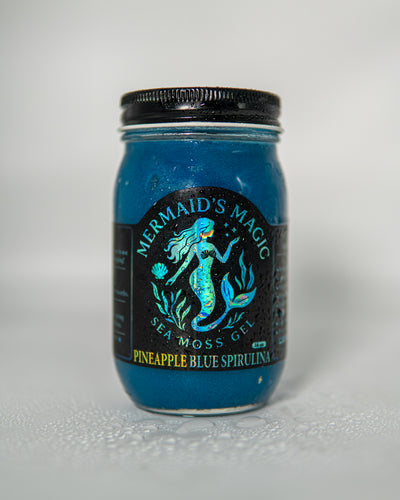
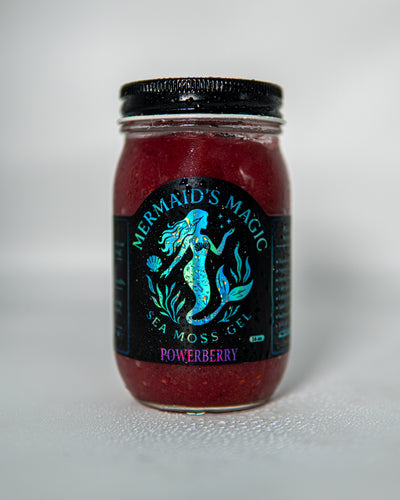
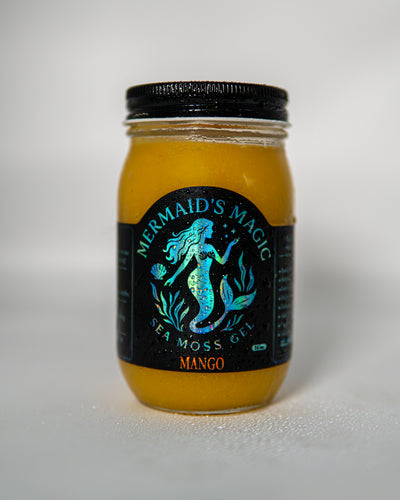
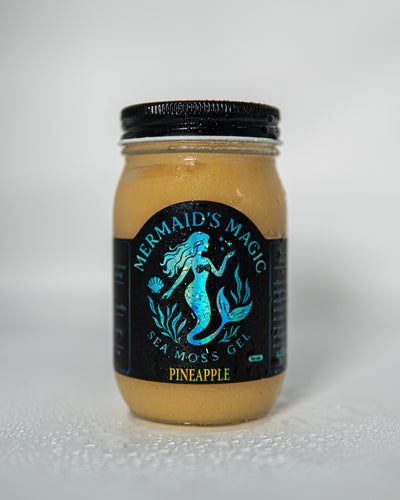
Mermaid's Magic operates from an FDA registered commercial kitchen in Pensacola, Florida. This isn't a marketing gimmick — it's a fundamental commitment to producing sea moss gel that meets federal food safety standards. Our facility follows Good Manufacturing Practices, maintains detailed production records, and operates with the transparency that FDA registration requires.
What About Lab Testing?
Beyond FDA registration, third-party lab testing is another critical quality indicator that responsible sea moss producers employ. Lab testing can verify:
- Mineral content — confirming that the sea moss contains the minerals it should
- Heavy metal screening — testing for lead, mercury, arsenic, and cadmium, which can accumulate in marine organisms
- Microbial testing — screening for harmful bacteria like E. coli, Salmonella, and listeria
- Contaminant screening — checking for pesticides, industrial chemicals, and other unwanted substances
At Mermaid's Magic, we lab test our sea moss to verify purity and safety. This is an investment that many smaller producers skip because of cost, but we consider it non-negotiable. When you consume a food product daily for its health benefits, you need to know it's genuinely safe and pure.
Red Flags: When to Be Concerned About a Sea Moss Product
Now that you understand the regulatory framework, here are warning signs that a sea moss product may not meet appropriate safety standards:
No Facility Information
If a sea moss company doesn't disclose where their product is made, that's a concern. Reputable producers are transparent about their facilities and happy to share their FDA registration status.
Homemade Products Without Oversight
The sea moss trend has spawned countless home-based sellers on social media platforms. While many of these individuals are well-intentioned, a sea moss gel made in someone's home kitchen without food safety training, proper sanitation protocols, or regulatory oversight carries real risk. Food safety isn't intuitive — it requires knowledge and discipline.
No Lab Testing
A company that doesn't lab test its products is asking you to trust that everything is safe without any verification. Given that sea moss is a marine product that can accumulate heavy metals and other contaminants, this is a significant concern.
Exaggerated Health Claims
Be wary of sea moss products that make specific medical claims — "cures cancer," "eliminates diabetes," "heals autoimmune disease." These claims violate FDA regulations and suggest a company that either doesn't understand or doesn't respect the regulatory framework. Legitimate producers discuss general wellness benefits without making unsubstantiated medical claims.
Unusually Low Prices
Quality sea moss production — wild harvesting, proper cleaning, FDA registered facility operation, lab testing, real fruit ingredients — costs money. Products priced far below market averages are often cutting corners somewhere, whether in the quality of the sea moss itself, the production facility, or the ingredients used.
How to Evaluate a Sea Moss Brand
With your understanding of is sea moss FDA approved and the broader regulatory landscape, here's a checklist for evaluating any sea moss brand:
- FDA registered facility — does the company produce in a registered, inspected facility?
- Lab testing — does the company test for purity, minerals, and contaminants?
- Transparent sourcing — does the company disclose where their sea moss is harvested?
- Clean ingredients — are all ingredients clearly listed? Are they real, whole-food ingredients?
- No preservatives — does the product contain artificial preservatives to extend shelf life? (Quality sea moss gel shouldn't need them.)
- Appropriate claims — does the company make reasonable, supported wellness claims rather than outrageous medical promises?
- Shipping practices — does the company ship fresh with appropriate temperature control?
Mermaid's Magic checks every one of these boxes. We operate from an FDA registered commercial kitchen, lab test our products, wild-harvest our sea moss from the Caribbean, use real whole fruit with no preservatives, and ship fresh every Monday, Tuesday, and Wednesday.
The History of Sea Moss Safety
Sea moss has been consumed by human populations for centuries, particularly in Jamaica, Trinidad and Tobago, other Caribbean nations, and Ireland. In the Caribbean, sea moss drinks have been a cultural staple for generations, valued for both nutrition and traditional health practices. In Ireland, sea moss (known as carrageen moss) was a critical food source during the Irish famine of the 1800s and has been used in cooking for centuries.
This long history of safe human consumption is significant from a regulatory perspective. Foods with extensive traditional use are generally recognized as safe, and sea moss has one of the longest track records of any marine food. The key is ensuring that modern production methods maintain this safety through proper harvesting, cleaning, handling, and storage.
Common Misconceptions About Sea Moss and the FDA
Misconception: "If it's not FDA approved, it's not safe"
This misunderstanding stems from confusing drug approval with food regulation. Most foods you eat daily — fruits, vegetables, grains, nuts, meats — are not "FDA approved" in the pharmaceutical sense. They're regulated through food safety laws, which is exactly how sea moss is regulated.
Misconception: "FDA registration means FDA endorsement"
FDA registration means a facility has met regulatory requirements and is subject to inspection. It doesn't mean the FDA has evaluated or endorsed the specific product. However, it does mean the production environment meets federal standards — which is a meaningful and important distinction from unregistered home operations.
Misconception: "All sea moss products are the same quality"
This couldn't be further from the truth. The quality range in the sea moss market is enormous — from wild-harvested, lab-tested products made in FDA registered facilities to pool-farmed, untested products made in unregulated home kitchens. The regulatory framework exists to protect consumers, but only when producers actually comply with it.
The Bottom Line
So, is sea moss FDA approved? Not in the pharmaceutical sense — and no food is. But sea moss production is regulated by the FDA through food safety laws, facility registration requirements, Good Manufacturing Practices, and labeling standards. The most important thing you can do as a consumer is choose products from companies that operate within this regulatory framework — those that produce in FDA registered facilities, lab test their products, and maintain transparent, responsible business practices.
When you choose Mermaid's Magic, you're choosing a company that takes food safety seriously. Our FDA registered commercial kitchen in Pensacola, Florida operates under strict food safety protocols. Our sea moss is wild-harvested, lab tested, and prepared with real whole ingredients. We believe that trust is earned through transparency and consistency — and we work every day to deserve yours.
Try Mermaid's Magic Sea Moss Gel
Choose sea moss gel you can trust. Mermaid's Magic is made in our FDA registered commercial kitchen in Pensacola, Florida, using wild-harvested Caribbean sea moss and real whole fruit. Lab tested for purity. No preservatives, no artificial ingredients. Vegan, non-GMO, and shipped fresh every Monday, Tuesday, and Wednesday. Free shipping on orders over $100.