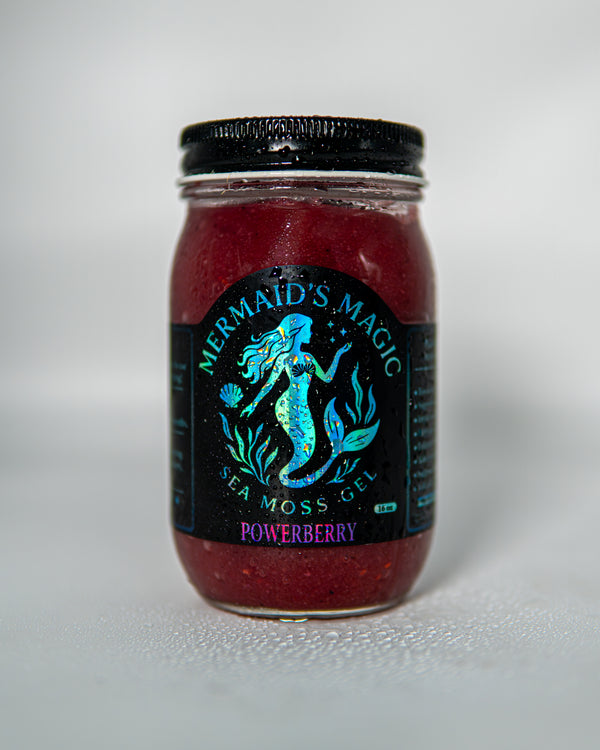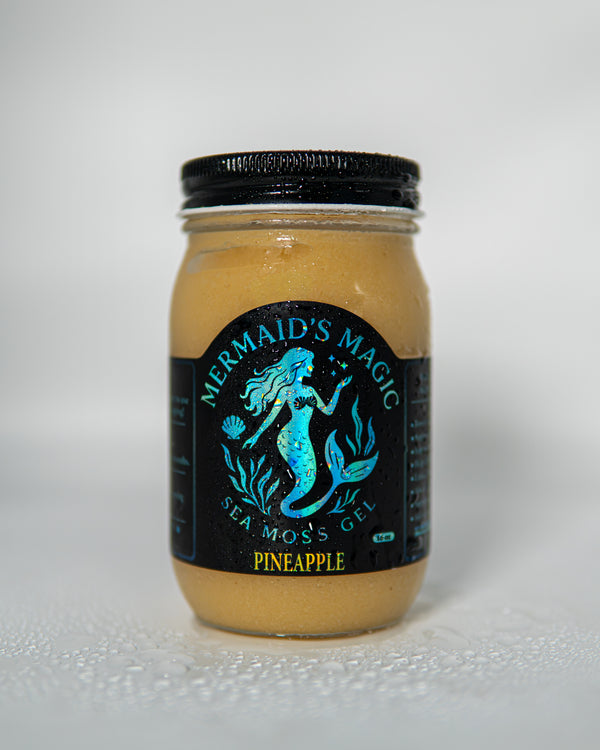
You just got your first jar of sea moss gel and you want to make sure every spoonful stays fresh, potent, and safe. Understanding how to store sea moss gel properly is the difference between getting three to four weeks of daily nutrition and watching your investment go to waste in the back of the fridge. This guide covers everything — refrigeration timelines, the freezing method that extends shelf life to six months, how to spot spoilage, and the practical tips that experienced sea moss users swear by.
Whether you are new to sea moss or stocking up for the month, these storage practices will help you get the most out of every jar.
How Long Does Sea Moss Gel Last? The Honest Answer
The shelf life of sea moss gel depends entirely on how it is made and how you store it. Here is the straightforward breakdown:
- Refrigerated (unopened, preservative-free): 3-4 weeks
- Refrigerated (opened, used regularly): 2-3 weeks
- Frozen: 4-6 months
- Room temperature: Not recommended — sea moss gel is a fresh, perishable food
These timelines apply to high-quality, preservative-free sea moss gel like what we make at Mermaid's Magic. Products loaded with chemical preservatives, citric acid, or potassium sorbate might last longer on the shelf, but you are trading freshness and purity for convenience. We believe that if you need preservatives to keep your sea moss safe, something has gone wrong in the production process.
Why Preservative-Free Matters
Preservative-free sea moss gel is a living, whole food. It contains active enzymes, natural prebiotics, and naturally occurring minerals in their bioavailable form. Chemical preservatives can alter the pH, kill beneficial bacteria, and interfere with the very properties that make sea moss valuable. A shorter shelf life is actually a sign of quality — it means your gel is genuinely fresh and unadulterated.
How to Store Sea Moss Gel in the Refrigerator
Refrigeration is the standard storage method for daily use. Here is how to do it correctly:
Temperature
Store your sea moss gel at 36-40 degrees Fahrenheit (2-4 degrees Celsius). This is the standard temperature range for most home refrigerators. Place it toward the back of the fridge where temperatures are most consistent — not in the door where temperatures fluctuate every time you open it.
Container Choice
The container you use matters more than most people think:
- Glass jars with airtight lids: The gold standard. Glass is non-reactive, easy to clean, and does not absorb odors. Mason jars work perfectly.
- BPA-free plastic containers: Acceptable but not ideal. Plastic can absorb the smell of sea moss over time and may leach chemicals at certain temperatures.
- Original packaging: If your sea moss gel comes in a proper sealed jar (as ours does), you can absolutely keep it in the original container.
Avoid: Metal containers (can react with the minerals in sea moss), containers without airtight seals (exposure to air accelerates spoilage), and containers previously used for strong-smelling foods.
The Clean Spoon Rule
This is the single most important habit for extending your sea moss gel's refrigerator life: always use a clean, dry spoon when scooping gel from the jar. Never double-dip. Never use a spoon that has been in your mouth or another food. Introducing bacteria from dirty utensils is the number one cause of premature spoilage.
Some experienced users keep a dedicated spoon with their sea moss jar. It takes two seconds and can add a full week to your gel's freshness.
How to Freeze Sea Moss Gel for Long-Term Storage
Freezing is the best method for storing sea moss gel long-term. It preserves the mineral content, extends shelf life to six months, and gives you ready-to-use portions whenever you need them.
The Ice Cube Tray Method (Recommended)
This is the method that experienced sea moss users love because it gives you perfectly portioned servings that thaw quickly:
- Get a silicone ice cube tray. Silicone is easier to pop the cubes out of than rigid plastic. Standard ice cube trays produce cubes of roughly one tablespoon each — a perfect single serving.
- Pour the sea moss gel into each cavity. Fill each cube about three-quarters full to allow slight expansion during freezing.
- Place in the freezer uncovered for 4-6 hours until the cubes are fully solid.
- Pop the frozen cubes out and transfer them to a labeled freezer bag or airtight container. Remove as much air as possible from the bag before sealing.
- Label with the date. Frozen sea moss gel maintains quality for 4-6 months, but you will want to track when you froze it.
To use a frozen cube, simply drop it directly into your morning smoothie (it will blend right in), or thaw it in the refrigerator overnight. A single cube in a glass of warm water will thaw in about 15 minutes.
Freezing in Larger Portions
If you prefer larger portions, you can freeze sea moss gel in small glass jars or silicone molds. Leave about half an inch of headspace in jars to account for expansion. Thaw in the refrigerator — never at room temperature, and never in the microwave, which can create hot spots that degrade nutrients.
Does Freezing Destroy Nutrients?
No. The minerals in sea moss are not affected by freezing. Research on frozen marine plants confirms that mineral content remains stable through freeze-thaw cycles (NIH, 2021). Some heat-sensitive vitamins may degrade slightly over very long storage periods, but for practical purposes, frozen sea moss gel retains its full nutritional value for months.
How to Tell If Sea Moss Gel Has Gone Bad
Because high-quality sea moss gel is preservative-free, knowing the signs of spoilage is essential. Here is what to look for:
Visual Signs
- Mold growth: Any visible mold — white, green, black, or fuzzy spots — means the entire jar should be discarded. Do not scrape off the mold and use the rest.
- Significant color change: Fresh sea moss gel has a consistent color determined by the sea moss variety and any added fruits. If the color darkens dramatically or develops unusual spots, it is time to discard.
- Excessive water separation: Some separation is normal (just stir it back together). But if a large amount of watery liquid has pooled on top and the gel looks significantly thinner, it may be breaking down.
Smell
- Fresh sea moss gel: Has a mild ocean scent. Fruit-infused gels like Mermaid's Magic varieties will smell like the fruit they contain — pineapple, mango, strawberry, or blueberry.
- Spoiled sea moss gel: Smells sour, fermented, or unpleasantly strong. If it smells noticeably different from when you first opened it, err on the side of caution.
Texture
- Fresh gel: Smooth and consistent, with a gel-like consistency similar to thick applesauce.
- Spoiled gel: Excessively slimy, chunky, or gritty in a way it was not when fresh.
The golden rule: When in doubt, throw it out. A jar of sea moss gel is not worth the risk of consuming something that has gone bad.
How Mermaid's Magic Ships Fresh Sea Moss Gel
One of the most common concerns people have about ordering sea moss gel online is freshness during shipping. Here is how we handle it:
Every jar of Mermaid's Magic sea moss gel is made in small batches using wild-harvested Caribbean sea moss and real whole fruit — not juice concentrates or artificial flavoring. We prepare our gels fresh and ship them in insulated packaging designed to maintain safe temperatures during transit.
When your order arrives:
- Refrigerate immediately. Even if the package feels cool to the touch, get it into your refrigerator as soon as possible.
- Check the consistency. It is normal for gel to thicken slightly during shipping. A gentle stir will restore the smooth texture.
- Note the date. Your gel is freshest in the first two weeks after arrival. If you ordered multiple jars, consider freezing extras using the ice cube tray method described above.
Storing Sea Moss Gel While Traveling
Maintaining your sea moss routine while traveling requires a little planning, but it is completely doable:
- Short trips (1-3 days): Transfer a few servings into a small glass jar and transport in an insulated lunch bag with an ice pack. The gel will stay safe for the duration of your trip.
- Longer trips (4+ days): Bring frozen sea moss cubes in a small insulated bag. They will thaw gradually and stay fresh throughout your trip.
- Air travel: Sea moss gel is considered a liquid by TSA. If carrying on, it must be in a container of 3.4 ounces or less and fit in your quart-sized liquids bag. Alternatively, pack it in checked luggage in an insulated bag.
- Hotel storage: Most hotel rooms have a mini fridge. Place your sea moss gel there as soon as you arrive.
The Frozen Cube Travel Hack
Frozen sea moss cubes are the easiest travel solution. Drop one into your water bottle in the morning — it will thaw within 30 minutes and give you your daily serving with zero hassle. This works especially well for getting your full mineral intake even when you are away from your kitchen.
Batch Prep Guide: Making Your Sea Moss Gel Last
If you make your own sea moss gel at home from dried sea moss, or if you buy in bulk, here is a batch preparation strategy that maximizes freshness:
Weekly Prep Method
- Make or purchase enough gel for one month.
- Immediately portion into weekly amounts. Each week's supply goes into its own glass jar (approximately 7-14 tablespoons, depending on your daily serving size).
- Refrigerate one jar for the current week.
- Freeze the remaining jars. Move one from the freezer to the refrigerator at the end of each week to thaw for the following week.
This rotation system means you are always using the freshest possible gel while your backup supply stays safely frozen.
Labeling System
Use masking tape and a marker to label each jar or freezer bag with:
- The date it was made or received
- The flavor (if you have multiple varieties)
- "Use by" date (4 weeks from preparation for refrigerated, 6 months for frozen)
Common Sea Moss Gel Storage Mistakes to Avoid
After years of helping customers get the most from their sea moss, here are the mistakes we see most often:
- Leaving the jar on the counter. Sea moss gel is not shelf-stable. Even 30 minutes at room temperature during a busy morning is fine, but do not leave it out for hours.
- Using wet or dirty utensils. This introduces bacteria and moisture that accelerate spoilage. Always use a clean, dry spoon.
- Storing near strong-smelling foods. Sea moss gel can absorb odors, especially in plastic containers. Keep it away from onions, garlic, and other pungent foods in your fridge.
- Microwaving frozen gel. Microwaves heat unevenly, creating hot spots that can degrade vitamins and change the gel's texture. Always thaw in the refrigerator or in a glass of warm (not hot) water.
- Ignoring separation. Some water separation on top of your gel is completely normal. Just stir it back in. However, if you see separation combined with an off smell, that is a different story.
- Storing in the refrigerator door. The door is the warmest part of your fridge and experiences the most temperature fluctuation. Store sea moss gel on a shelf toward the back.
Frequently Asked Questions About Sea Moss Gel Storage
Can I keep sea moss gel at room temperature?
No. Fresh, preservative-free sea moss gel must be refrigerated or frozen. Room temperature storage will cause it to spoil within one to two days. If a brand claims their gel is shelf-stable at room temperature without preservatives, be skeptical about what else might be in (or missing from) that product.
Does sea moss gel expire?
Sea moss gel does not have a formal expiration date in the way packaged foods do, but it is absolutely perishable. Properly refrigerated, it stays fresh for three to four weeks. Frozen, it maintains quality for four to six months. Beyond those timelines, it is best to make or purchase a fresh batch.
Can I re-freeze thawed sea moss gel?
It is best to avoid re-freezing sea moss gel that has fully thawed. Each freeze-thaw cycle can affect the texture and slightly diminish quality. This is why the ice cube tray method is so practical — you only thaw what you need for the day.
My sea moss gel is thicker/thinner than usual. Is it bad?
Consistency can vary based on the sea moss to water ratio, temperature, and even the specific batch of sea moss used. A thicker or thinner gel is not necessarily spoiled. Check for the spoilage signs described above (smell, color, mold) rather than judging by texture alone.
Store It Right, Get the Full Benefits
Proper storage is not complicated, but it does matter. When you invest in high-quality, preservative-free sea moss gel made with real whole fruit, you want to protect that investment and make sure every serving delivers the minerals and nutrients your body is counting on.
The bottom line: refrigerate for daily use, freeze for long-term storage, always use a clean spoon, and trust your senses if something seems off.
Ready to stock up? Browse our fruit-infused sea moss gels — made fresh with wild-harvested Caribbean sea moss and real whole fruit. Every jar arrives ready for your fridge and your wellness routine.
Keep Reading
- How to Use Sea Moss Gel: 10 Easy Ways to Add It to Your Daily Routine
- DIY Sea Moss Face Mask: 5 Recipes for Glowing Skin
- 5 Delicious Sea Moss Smoothie Recipes You'll Actually Crave | Mermaid's Magic Sea Moss
- 15 Science-Backed Sea Moss Benefits You Need to Know
Ready to try sea moss? Shop our fruit-infused sea moss gel collection — made with real whole fruit, wild-harvested Caribbean sea moss, and nothing artificial.