Sea Moss Knowledge Hub
Sea Moss vs Spirulina vs Chlorella: Which Superfood Wins?
Three of the most talked-about superfoods — sea moss, spirulina, and chlorella — all come from aquatic environments, all pack serious nutritional profiles, and all promise impressive health benefits. But they are not interchangeable. This sea moss vs spirulina vs chlorella comparison breaks down exactly what each one offers, where they differ, and which one best matches your health goals.
What Are These Three Superfoods?
Before comparing nutrition and benefits, it is important to understand what each of these organisms actually is, because they are fundamentally different despite all being aquatic in origin.
Sea Moss (Chondrus crispus / Gracilaria)
Sea moss is a type of red algae — a marine plant that grows naturally on rocky coastlines in the Atlantic Ocean, particularly in the Caribbean and along the coasts of Ireland and Scotland. It is a multicellular organism with a complex structure, and it absorbs minerals directly from ocean water as it grows. Sea moss has been used as a food and medicine in Caribbean and Irish cultures for centuries. It is typically consumed as a gel made by soaking and blending the dried moss with water.
Spirulina (Arthrospira)
Spirulina is a blue-green cyanobacterium — technically not a plant or algae, but a type of bacteria that photosynthesizes like a plant. It grows naturally in warm, alkaline freshwater lakes and is commercially cultivated in controlled pools and tanks. Spirulina has been consumed by indigenous cultures in Africa and Central America for centuries. It is typically sold as a dried powder or pressed tablets.
Chlorella (Chlorella vulgaris)
Chlorella is a single-celled freshwater green algae. Unlike spirulina, it is a true algae with a hard cell wall that must be mechanically cracked before the nutrients inside become bioavailable. Chlorella is primarily commercially farmed in controlled freshwater environments. It is sold as a powder, tablets, or liquid extract.
Nutritional Comparison: Side by Side
This is where the sea moss vs spirulina debate gets interesting. Each superfood has a distinctly different nutritional profile, which means each excels in different areas.
Mineral Content
Winner: Sea Moss
Sea moss contains a wide range of naturally occurring minerals. This includes macrominerals like calcium, magnesium, potassium, and phosphorus, plus trace minerals like zinc, iron, iodine, selenium, manganese, and dozens more. No other commonly available superfood comes close to this mineral density.
Spirulina contains a respectable mineral profile — iron, magnesium, potassium, and manganese — but its range is narrower, with roughly 15 to 20 minerals in meaningful amounts. Chlorella is similar to spirulina in mineral breadth, with a slight edge in iron content.
Protein Content
Winner: Spirulina
Spirulina is approximately 60 to 70 percent protein by dry weight, making it one of the most protein-dense foods on Earth. It contains all essential amino acids, making it a complete protein source. Chlorella is also protein-rich at approximately 50 to 60 percent protein by dry weight. Sea moss is low in protein — about 1 to 2 percent in gel form — making it a poor choice if protein is your primary goal.
Vitamin Content
Winner: Tie (Spirulina and Chlorella)
Spirulina is exceptionally rich in B vitamins, particularly B1 (thiamine), B2 (riboflavin), and B3 (niacin). It also contains significant beta-carotene (provitamin A). Chlorella stands out for its vitamin B12 content (one of the few plant sources) and its high chlorophyll concentration. Sea moss contains vitamins A, C, E, K, and some B vitamins, but in lower concentrations than spirulina and chlorella.
Iodine Content
Winner: Sea Moss
Sea moss is one of the richest natural sources of iodine, which is essential for thyroid function and metabolism. Neither spirulina nor chlorella contains significant iodine because they are freshwater organisms. If thyroid support is your goal, sea moss is the clear choice.
Antioxidant Profile
Winner: Spirulina
Spirulina contains phycocyanin, a unique blue pigment protein that is one of the most powerful antioxidants found in nature. Phycocyanin has been studied for its anti-inflammatory, neuroprotective, and immune-modulating properties. Chlorella contains chlorophyll and lutein, both strong antioxidants. Sea moss contains antioxidant compounds including flavonoids and phenolic compounds, but its antioxidant profile is less potent than spirulina's.
Detoxification
Winner: Chlorella
Chlorella has a unique ability to bind to certain metals and toxins in the digestive tract, facilitating their removal from the body. This makes it the most popular choice for people focused on detoxification. Spirulina has some detoxifying properties as well. Sea moss supports detoxification indirectly through its fiber content and prebiotic effects on gut health.
Gut Health
Winner: Sea Moss
Sea moss gel contains natural mucilage and prebiotic fiber that coat and soothe the digestive tract while feeding beneficial gut bacteria. It acts as a gentle, gut-healing food that supports the entire digestive system. Spirulina and chlorella support gut health primarily through their nutrient content rather than through direct soothing or prebiotic effects.
Health Benefits Compared
Each superfood has its strengths. Here is a detailed breakdown of which one to choose based on your specific health goals.
For Thyroid Support: Sea Moss
If thyroid health is a priority, sea moss is the only logical choice among these three. Its rich iodine content directly supports thyroid hormone production, and its selenium content aids in the conversion of T4 to the active T3 hormone. Spirulina and chlorella simply do not contain meaningful amounts of iodine.
For Athletic Performance: Spirulina
Spirulina's high protein content, rich B-vitamin profile, and potent antioxidant phycocyanin make it a strong choice for athletes focused on performance and recovery. Studies have shown spirulina can improve endurance, reduce exercise-induced oxidative damage, and support muscle recovery.
For Detox: Chlorella
If your primary concern is removing environmental toxins, chlorella's unique binding capacity makes it the most targeted choice. It is commonly recommended alongside dental amalgam removal and in protocols for reducing body burden of mercury, lead, and cadmium.
For Overall Mineral Nutrition: Sea Moss
No comparison needed here. With a broader range of minerals than spirulina or chlorella, sea moss provides one of the widest mineral foundations available from any single food. For general wellness, immune support, and filling nutritional gaps, sea moss is unmatched.
For Skin Health: Sea Moss
Sea moss contains sulfur, collagen-supporting compounds, vitamins A and E, and a high water content that supports skin hydration from the inside out. While spirulina's antioxidants also benefit skin, sea moss has a longer tradition and more direct mechanism of action for skin health.
For Energy and Anemia: Spirulina or Sea Moss
Both spirulina and sea moss are excellent sources of bioavailable iron. Spirulina has more iron per gram of dry powder, but sea moss provides iron alongside the copper needed for proper iron utilization. For iron-deficiency anemia, either could be beneficial — spirulina for raw iron quantity, sea moss for iron with its full complement of absorption-enhancing cofactors.
Taste and Usability
This is a practical consideration that matters more than most comparison articles acknowledge. If you cannot stand the taste or texture of a superfood, you will not take it consistently — and consistency is what produces results.
Sea Moss Gel
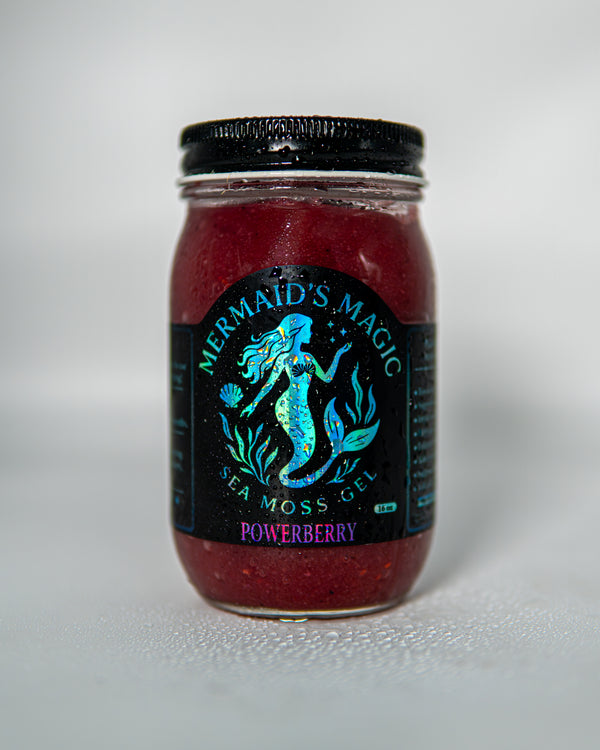
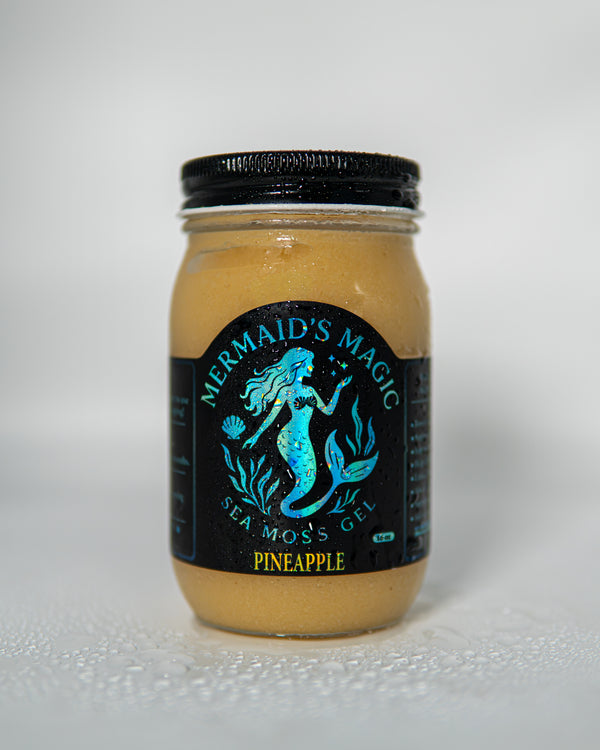
In its plain form, sea moss gel has a very mild, almost neutral taste with a slight oceanic note. When prepared with fruit — as Mermaid's Magic does with our mango, strawberry, blueberry, strawberry matcha, pineapple, and power berry varieties — sea moss gel is genuinely pleasant to eat. The gel format is versatile: eat it straight, stir it into drinks, blend it into smoothies, or cook with it. This versatility is a major advantage for daily compliance.
Spirulina
Let us be honest: spirulina tastes strong. It has an intense, earthy, slightly fishy flavor that many people find challenging. The deep blue-green color also turns smoothies and drinks a distinctive shade that some find unappealing. Tablets avoid the taste issue but require swallowing multiple large pills daily.
Chlorella
Chlorella has a similar strong, green taste to spirulina, though slightly less intense. Its grassy, algae-forward flavor requires masking in smoothies or accepting in tablet form. The cracked-cell-wall versions tend to taste more intense.
Winner for taste and ease of use: Sea Moss — especially when prepared as a flavored gel like Mermaid's Magic, which makes daily consumption something you actually look forward to rather than endure.
Safety and Side Effects
All three superfoods are generally considered safe for most adults, but each has specific considerations worth noting.
Sea Moss
- High iodine content means people with hyperthyroidism or those on thyroid medication should consult a doctor before use
- Quality varies significantly — always choose wild-harvested sea moss from clean waters to avoid contaminants
- Excessive consumption (more than 2 to 3 tablespoons daily for extended periods) could provide too much iodine
Spirulina
- Can be contaminated with microcystins (toxic compounds from other blue-green algae) if grown in uncontrolled environments
- May interact with immunosuppressant medications due to its immune-stimulating properties
- Not recommended for people with phenylketonuria (PKU) due to its phenylalanine content
Chlorella
- Can cause digestive upset in some people, especially when starting at high doses
- May increase sun sensitivity due to its high chlorophyll content
- Quality and processing method (cracked cell wall vs. intact) significantly affects bioavailability
Price Comparison
Price per serving varies based on brand, quality, and format, but here are general ranges for quality products in the United States market.
- Sea moss gel: $1.50 to $3.00 per daily serving (1 to 2 tablespoons)
- Spirulina powder: $0.50 to $1.50 per daily serving (1 teaspoon)
- Chlorella tablets: $0.75 to $2.00 per daily serving (3 to 6 tablets)
Sea moss gel tends to be the most expensive per serving, but it also delivers the broadest mineral profile. When you consider that sea moss replaces the need for a separate mineral supplement, the value proposition becomes more compelling. A single jar of Mermaid's Magic sea moss gel effectively replaces a mineral supplement, a gut health supplement, and a thyroid support supplement — three products consolidated into one.
Can You Take All Three Together?
Yes, and many health-conscious individuals do. Sea moss, spirulina, and chlorella complement each other well because their strengths do not overlap significantly.
- Sea moss provides the mineral foundation — naturally occurring minerals, iodine for thyroid, and gut-soothing prebiotics
- Spirulina provides concentrated protein, B vitamins, and powerful antioxidants
- Chlorella provides detoxification support, vitamin B12, and additional iron
Together, they cover nearly every nutritional base that whole-food superfoods can address. If you choose this approach, start with one at a time, allow your body to adjust for 1 to 2 weeks, then add the next. This helps you identify which benefits come from which superfood and whether any individual product causes sensitivity.
Mermaid's Magic even offers a pineapple blue spirulina sea moss gel that combines the mineral richness of sea moss with the antioxidant power of spirulina in a single, delicious product — the best of both worlds without the taste challenges of raw spirulina powder.
The Verdict: Which Superfood Wins?
The honest answer is that the "best" superfood depends entirely on your health priorities.
- Choose sea moss if you want the broadest mineral foundation, thyroid support, gut health, skin benefits, and a versatile food you can cook with daily
- Choose spirulina if you prioritize high protein intake, potent antioxidants, and athletic performance support
- Choose chlorella if your primary concern is detoxification
- Choose all three if you want comprehensive superfood coverage and are willing to invest in a multi-product wellness routine
If we had to pick just one, we would choose sea moss — and not just because we are a sea moss company. The sea moss vs spirulina comparison comes down to breadth versus depth. Spirulina goes deep on protein and antioxidants. Sea moss goes wide across naturally occurring minerals, gut health, thyroid support, skin health, and culinary versatility. For a single superfood that covers the most ground, sea moss is the most complete choice.
Try Mermaid's Magic Sea Moss Gel
Experience the superfood that delivers naturally occurring minerals in every spoonful. Mermaid's Magic sea moss gel is wild-harvested from the Caribbean and blended with real whole fruit in our FDA-registered kitchen in Pensacola, Florida. Vegan, non-GMO, and free of preservatives. Try our pineapple blue spirulina flavor for the combined power of sea moss and spirulina in one jar. Available in seven delicious flavors. Free shipping on orders over $100.