Sea Moss Knowledge Hub
Sea Moss vs Sea Kelp: What's the Difference?
Sea moss and sea kelp are both ocean superfoods, but they're far from interchangeable. If you've been wondering about the sea moss vs kelp debate and which one deserves a place in your daily routine, this comprehensive guide breaks down the real differences in biology, nutrition, taste, versatility, and health benefits so you can make an informed decision.
What Is Sea Moss?
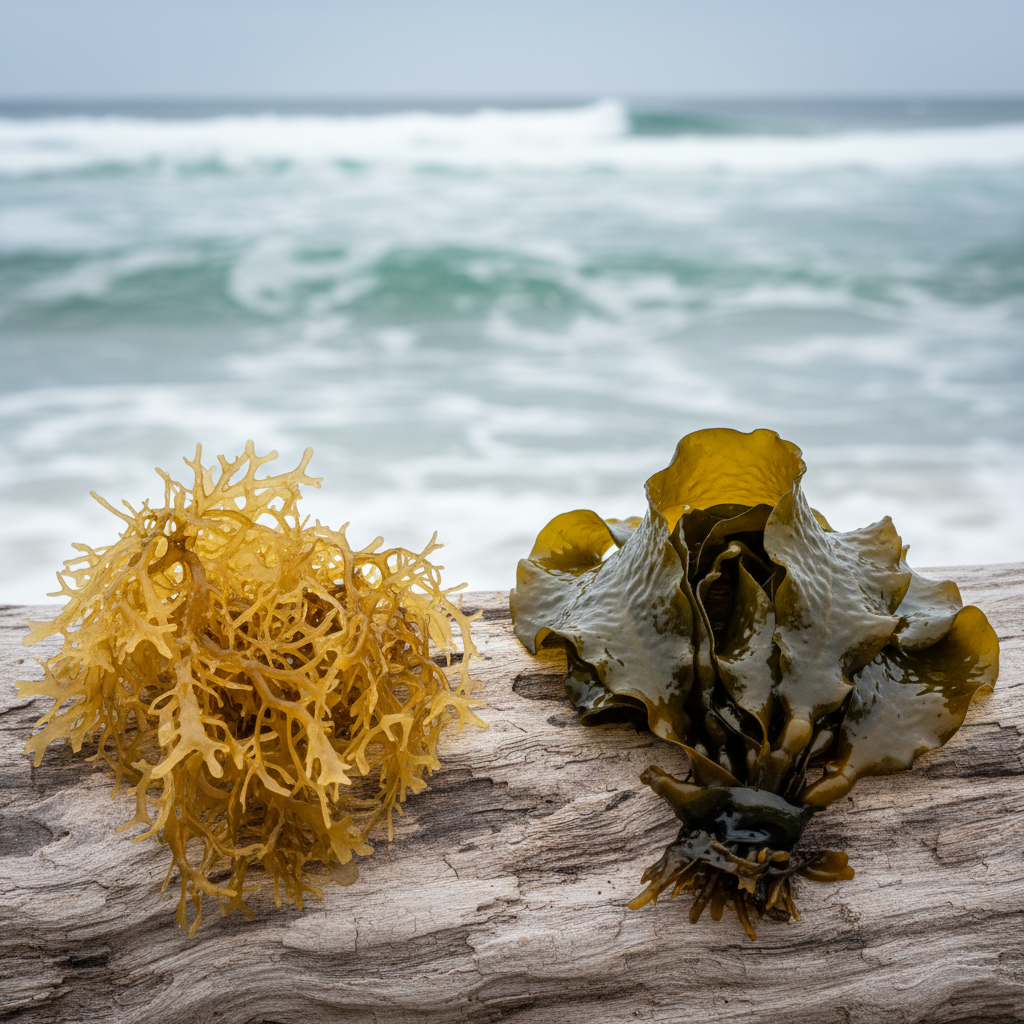
Sea moss, most commonly referring to Chondrus crispus (Irish moss) or Gracilaria species, is a type of red algae that grows in the rocky Atlantic coastlines of Europe, North America, and the Caribbean. It's a relatively small seaweed, typically growing to about three to eight inches in length, with a branching, fan-like structure.
Sea moss has a long history of human use dating back centuries. In Ireland, it sustained communities during the Great Famine of the 1840s. In the Caribbean, it has been used for generations as a tonic for recovery, energy, and vitality. It has a mild, slightly oceanic taste that blends easily into foods and beverages, which is a big reason for its modern popularity as a gel.
When soaked and blended, sea moss transforms into a thick, gelatinous substance that can be consumed by the spoonful, blended into smoothies, stirred into soups, or even used as a topical skin treatment. This gel form is how most people consume sea moss today.
What Is Sea Kelp?
Kelp is a term that encompasses a large group of brown algae (order Laminariales) that grow in underwater forests in cooler ocean waters around the world. Common kelp species include Macrocystis pyrifera (giant kelp), Laminaria species, and Ascophyllum nodosum (Norwegian kelp). Kelp can grow to enormous sizes, with giant kelp reaching lengths of up to 150 feet.
Kelp has been a dietary staple in Asian cuisines for thousands of years, particularly in Japan, Korea, and China. It's used in soups, salads, sushi wraps (nori is a different seaweed but often grouped with kelp in discussions), and as a seasoning. Kelp is also available in supplement form as capsules, tablets, and powders.
Unlike sea moss, kelp has a stronger, more distinctly seaweed flavor that some people find challenging to consume in large quantities. It doesn't form the same smooth gel consistency as sea moss, which limits its versatility in recipes.
Biological Classification: They're Not Even Close Relatives
One of the most important things to understand about the sea moss vs kelp comparison is that they belong to completely different biological groups:
- Sea moss: Red algae (Rhodophyta), Class Florideophyceae
- Kelp: Brown algae (Phaeophyceae), Order Laminariales
The evolutionary divergence between red and brown algae occurred over a billion years ago. They're as different from each other as a fern is from a pine tree. This biological difference translates directly into different nutritional profiles, different bioactive compounds, and different health benefits.
Nutritional Comparison: Sea Moss vs Kelp
Mineral Breadth
Sea moss is often cited for its wide range of naturally occurring minerals. While exact numbers depend on the specific species, growing conditions, and measurement methods, there's no question that sea moss offers one of the broadest mineral profiles of any single food. Sea moss provides significant amounts of calcium, magnesium, potassium, iron, zinc, manganese, selenium, iodine, sulfur, phosphorus, and dozens of trace minerals.
Kelp is also mineral-rich, but its profile is less broad. Kelp is exceptionally high in iodine, often containing significantly more iodine per serving than sea moss. It also provides calcium, magnesium, iron, and potassium, though generally with a less diverse trace mineral profile than sea moss.
Iodine Content
This is one area where kelp often exceeds sea moss. Some kelp species contain extremely high concentrations of iodine, sometimes exceeding the recommended daily intake in a single serving. While iodine is essential for thyroid health, excessive iodine can actually cause thyroid problems, including both hyper- and hypothyroidism.
Sea moss typically provides a more moderate amount of iodine that falls within safe daily intake ranges when consumed in recommended quantities. This makes sea moss the safer choice for daily consumption without the risk of iodine overdose that comes with some kelp products.
Carrageenan and Unique Compounds
Sea moss contains carrageenan, a sulfated polysaccharide that gives it its gel-forming properties. Carrageenan has prebiotic, anti-inflammatory, and antiviral properties that are unique to red seaweeds. It also acts as a demulcent, coating and soothing mucous membranes throughout the digestive and respiratory systems.
Kelp contains different bioactive compounds including fucoidan, a sulfated polysaccharide found exclusively in brown algae. Fucoidan has been studied for its potential anticancer, anti-inflammatory, and immune-modulating properties. Kelp also contains alginate, a fiber, and fucoxanthin, a carotenoid with antioxidant and potential fat-burning properties.
Protein and Amino Acids
Sea moss generally contains a higher percentage of protein than kelp, along with a broader amino acid profile. This makes sea moss slightly more valuable as a protein complement in plant-based diets.
Vitamins
Both sea moss and kelp contain various vitamins, but the profiles differ. Sea moss tends to be richer in B vitamins and vitamin C, while kelp provides more vitamin K and some vitamin A. Both provide folate and small amounts of vitamin E.
Health Benefits Compared
Thyroid Support
Both sea moss and kelp support thyroid function through iodine content, but the approach differs. Sea moss provides moderate iodine that is appropriate for daily supplementation. Kelp's higher iodine content can be beneficial for people with confirmed iodine deficiency but carries a greater risk of overstimulating the thyroid when consumed daily.
Winner: Sea moss for daily thyroid support due to safer iodine levels
Digestive Health
Sea moss has a clear advantage for digestive health. Its mucilaginous gel coats and soothes the entire digestive tract, and its prebiotic fiber supports beneficial gut bacteria. The carrageenan in sea moss has specific protective effects on the mucosal lining of the gut.
Kelp's alginate provides some digestive benefits, but it doesn't offer the same soothing, coating effect as sea moss gel.
Winner: Sea moss for overall digestive health and gut support
Skin Health
Sea moss excels for skin health both internally and topically. Its sulfur compounds, vitamin C, and amino acids support collagen production. The gel can be applied directly to the skin as a hydrating, mineral-rich face mask. Its vitamin A precursors support healthy skin cell turnover.
Kelp's fucoxanthin provides antioxidant protection for skin, and its vitamins support skin health when consumed internally. However, kelp is not commonly used topically and doesn't form the same beneficial gel.
Winner: Sea moss for comprehensive skin support
Weight Management
Both sea moss and kelp support metabolism through thyroid function. Kelp's fucoxanthin has been specifically studied for its potential to increase fat burning and reduce fat accumulation. Sea moss's fiber content promotes satiety, and its broader mineral profile supports multiple metabolic pathways.
Winner: Roughly tied, with each offering different metabolic advantages
Immune Support
Sea moss provides zinc, vitamin C, and sulfated polysaccharides that support immune function. Studies have shown that the carrageenan in sea moss has antiviral properties, particularly against respiratory viruses. Kelp's fucoidan has also demonstrated immune-modulating properties in research.
Winner: Sea moss for daily immune support due to its zinc and vitamin C content alongside antiviral carrageenan
Bone Health
Sea moss provides a wider range of bone-supporting minerals including calcium, magnesium, phosphorus, zinc, manganese, and boron. Kelp provides calcium and some magnesium but generally offers a narrower bone-support mineral profile.
Winner: Sea moss for comprehensive bone support
Taste, Texture, and Versatility
This is an area where sea moss has a significant practical advantage over kelp.
Sea Moss
- Mild, slightly oceanic taste that's easily masked by other flavors
- Forms a smooth, creamy gel when blended
- Can be added to smoothies, teas, soups, sauces, desserts, and more
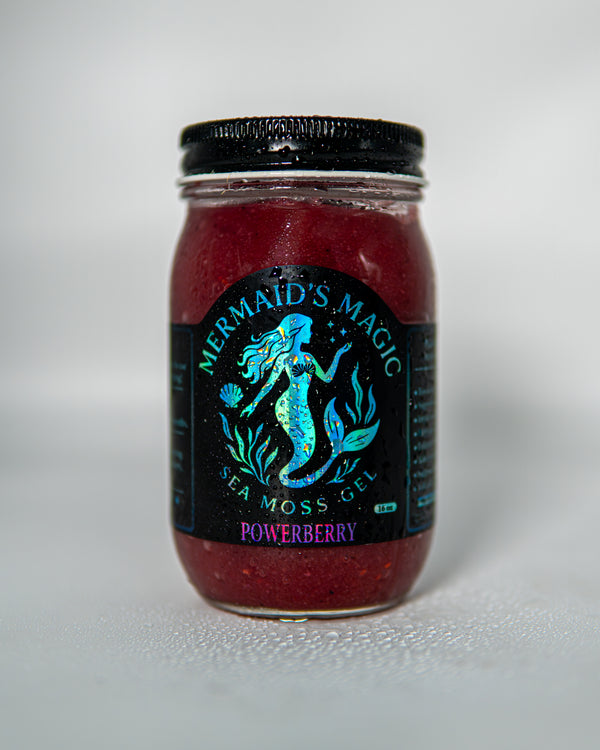
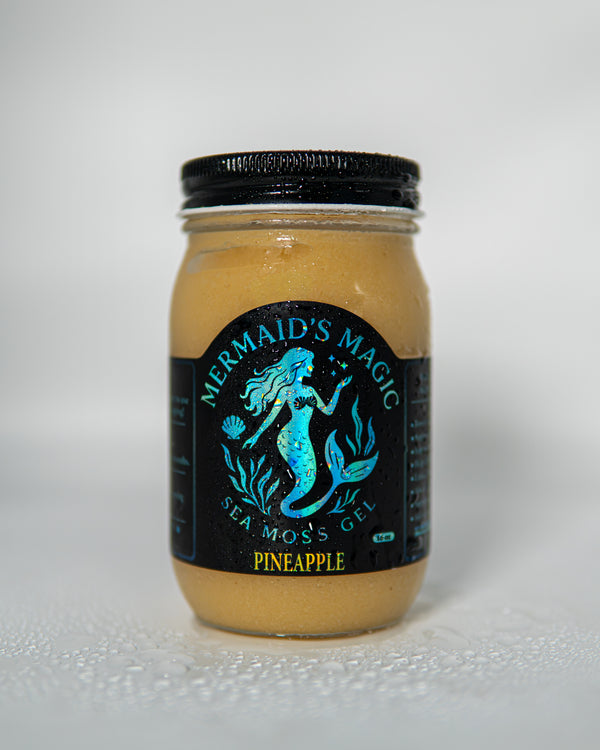
- Available in flavored gel forms (like Mermaid's Magic sea moss gel with real whole fruit) that taste genuinely enjoyable
- Can be consumed by the spoonful without difficulty
- Can be used topically as a face mask or skin treatment
Kelp
- Strong, distinctly seaweed flavor that many Western palates find challenging
- Doesn't form a gel; typically consumed as dried strips, powder, or capsules
- Works well in Asian-inspired dishes but less versatile in everyday Western cooking
- Most Westerners prefer to take kelp in capsule form to avoid the taste
- Limited topical applications
Winner: Sea moss for taste, texture, and everyday versatility
Safety and Potential Concerns
Iodine Overdose Risk
The biggest safety difference between sea moss and kelp is the iodine content. Some kelp products contain iodine levels that can exceed the tolerable upper intake level if consumed daily. Excessive iodine can cause thyroid dysfunction, including hyperthyroidism and autoimmune thyroid disease. Sea moss's more moderate iodine content makes it safer for regular daily consumption.
Contamination From Polluted Waters
Both sea moss and kelp can absorb pollutants from their marine environment. This is why sourcing matters for both products. Choosing wild-harvested sea moss from Caribbean waters, like the sea moss in Mermaid's Magic sea moss gel, is one way to know where your sea moss comes from. Always choose sea moss and kelp products from brands that tell you where their seaweed is harvested.
Arsenic Concerns with Kelp
Some kelp species, particularly hijiki (though technically a different brown seaweed), have been found to contain concerning levels of inorganic arsenic. While not all kelp has this issue, it's a consideration that doesn't apply to sea moss.
Drug Interactions
Both sea moss and kelp can interact with thyroid medications and blood thinners due to their iodine and vitamin K content respectively. Consult your healthcare provider if you take these medications.
Can You Take Both Sea Moss and Kelp?
Yes, it's possible to include both in your diet, but with important caveats. The primary concern is total iodine intake. If you're already taking one to two tablespoons of sea moss gel daily, adding a kelp supplement could push your iodine intake above recommended levels. If you want to incorporate both, keep careful track of your combined iodine intake and stay within the recommended upper limit of 1,100 micrograms per day for adults.
For most people, sea moss alone provides a more comprehensive and convenient nutritional profile than kelp. If you want the specific benefits of kelp's fucoidan or fucoxanthin, taking a small amount of kelp occasionally while using sea moss as your daily staple is a reasonable approach.
Which One Should You Choose?
Based on the comprehensive comparison, here's our honest assessment:
Choose sea moss if:
- You want the broadest possible mineral profile from a single food
- You're looking for daily thyroid support without iodine excess risk
- Digestive health and gut support are priorities
- You want something versatile that tastes good and is easy to incorporate daily
- Skin, hair, and nail health are important to you
- You prefer a whole-food approach over capsules and powders
- You want a food you can also use topically for skin benefits
Choose kelp if:
- You have confirmed iodine deficiency and need high-dose iodine supplementation (under medical supervision)
- You specifically want fucoidan or fucoxanthin for their studied benefits
- You enjoy the taste of seaweed in Asian-style cooking
- You're primarily interested in the alginate fiber found in kelp
For the vast majority of people seeking a daily ocean superfood, sea moss is the clear winner based on its broader nutritional profile, safer iodine levels, superior versatility, and better taste.
Why Mermaid's Magic Represents the Best of Sea Moss
Not all sea moss products are equal, and quality makes an enormous difference in the benefits you receive. Mermaid's Magic sea moss gel is made with wild-harvested Caribbean sea moss and its naturally occurring minerals. Unlike pool-grown or farm-raised sea moss, wild-harvested sea moss absorbs its minerals from the natural ocean environment, resulting in a richer, more diverse nutritional profile.
Our gel is blended with real whole fruit, not juice concentrates, providing additional vitamins, antioxidants, and fiber. Choose from mango, strawberry, blueberry, strawberry matcha, pineapple, pineapple blue spirulina, and power berry. Every jar is prepared fresh in small batches in our FDA-registered commercial kitchen in Pensacola, Florida, with no preservatives.
Frequently Asked Questions
Is sea moss better than kelp?
For most health goals and daily use, sea moss offers a broader nutritional profile, safer iodine levels, and greater versatility than kelp. Kelp has some unique compounds (fucoidan, fucoxanthin) that sea moss doesn't provide, but sea moss is the superior all-around superfood for daily consumption.
Are sea moss and kelp the same thing?
No. Sea moss is a red algae and kelp is a brown algae. They belong to completely different biological classifications and have different nutritional profiles, bioactive compounds, and health benefits.
Can I get too much iodine from sea moss?
At the recommended intake of one to two tablespoons of sea moss gel daily, iodine intake generally stays within safe limits. This is one advantage sea moss has over kelp, which can provide excessive iodine more easily.
Do sea moss and kelp taste different?
Yes. Sea moss has a mild, subtle ocean flavor that blends easily into other foods. Kelp has a stronger, more distinctly seaweed taste that some people find unpleasant. Mermaid's Magic sea moss gel flavored with real fruit tastes delicious and is enjoyable to eat daily.
Can I take sea moss and kelp together?
You can, but monitor your total iodine intake carefully. For most people, sea moss alone provides sufficient iodine and a broader mineral profile, making additional kelp supplementation unnecessary.
Try Mermaid's Magic Sea Moss Gel
Now that you know the difference between sea moss and kelp, experience the ocean's most complete superfood for yourself. Mermaid's Magic sea moss gel is made from wild-harvested Caribbean sea moss, blended with real whole fruit for a taste you'll love. Vegan, non-GMO, and made fresh in our FDA-registered kitchen in Pensacola, Florida, with zero preservatives. The ultimate ocean superfood, made simple.