Sea Moss Knowledge Hub
Sea Moss for Lung Health & Respiratory Support
From seasonal congestion to chronic respiratory conditions, millions of Americans struggle with breathing issues every day. Long before modern medicine, Caribbean and Irish coastal communities relied on sea moss as a natural remedy for coughs, chest congestion, and respiratory distress. Today, science is catching up with tradition, and the evidence supporting sea moss lungs benefits is growing. Rich in potassium chloride, omega-3 fatty acids, and soothing mucilage, sea moss offers a multi-faceted approach to respiratory health that addresses mucus buildup, airway inflammation, and immune resilience simultaneously.
The Traditional Use of Sea Moss for Respiratory Health
Sea moss has a centuries-long history as a respiratory remedy. In Ireland, where it is known as carrageen moss, it was traditionally boiled into a thick drink with honey and lemon to treat coughs, colds, and chest infections. During the Great Famine and through subsequent generations, Irish families relied on sea moss broths to soothe inflamed airways and help clear congestion.
In the Caribbean, particularly Jamaica and Trinidad, sea moss drinks have been a staple remedy for respiratory ailments for generations. It was commonly given to children with coughs and to adults recovering from bronchitis or pneumonia. The mucilaginous quality of sea moss, that thick, gel-like consistency, was understood to coat and soothe irritated respiratory tissues long before anyone could identify the specific biochemical mechanisms involved.
This traditional knowledge is not just folklore. Modern research is identifying the specific compounds in sea moss that explain these time-tested respiratory benefits.
How Sea Moss Supports the Respiratory System
Dissolving and Clearing Excess Mucus
One of the most well-known benefits of sea moss for respiratory health is its ability to help dissolve and expel excess mucus from the airways. Sea moss contains potassium chloride, a compound recognized for its mucolytic (mucus-dissolving) properties. Potassium chloride helps thin thick, sticky mucus in the lungs, bronchial tubes, and sinuses, making it easier to expel through coughing or normal mucociliary clearance.
This is particularly valuable during respiratory infections, allergy seasons, and for people with chronic mucus-producing conditions. Unlike many over-the-counter expectorants that can cause drowsiness or other side effects, sea moss provides this mucus-thinning benefit naturally as part of a whole-food matrix.
Soothing Inflamed Airways
Airway inflammation is a hallmark of conditions like asthma, bronchitis, and chronic obstructive pulmonary disease (COPD). The sulfated polysaccharides in sea moss have demonstrated anti-inflammatory activity in multiple studies, inhibiting the production of pro-inflammatory cytokines that drive airway inflammation and constriction.
The mucilaginous gel that sea moss naturally produces acts as a demulcent, forming a soothing protective coating over irritated mucous membranes throughout the respiratory tract. This coating reduces irritation, calms cough reflexes, and allows damaged tissues to heal more effectively.
Antiviral and Antimicrobial Properties
Respiratory infections caused by viruses and bacteria are among the most common illnesses worldwide. Research published in Marine Drugs has shown that sulfated polysaccharides from red seaweeds, including Chondrus crispus, exhibit antiviral properties against several respiratory viruses. These compounds appear to interfere with viral attachment and replication, potentially reducing the severity and duration of respiratory infections.
While sea moss is not a substitute for antiviral medications or antibiotics when needed, its antiviral properties may provide an additional layer of defense during cold and flu season.
Immune System Fortification
A strong immune system is the first line of defense against respiratory infections. Sea moss provides zinc, selenium, vitamin C, and vitamin A, all of which are critical for immune cell function. Vitamin A, in particular, plays a specific role in maintaining the integrity of mucosal barriers in the respiratory tract, which serve as physical barriers against pathogens.
The prebiotic fibers in sea moss also support gut health, which is directly linked to immune function through the gut-lung axis. Research has shown that the composition of gut bacteria influences the immune response in the lungs, making gut health a surprisingly important factor in respiratory resilience.
Sea Moss for Specific Respiratory Conditions
Seasonal Allergies and Sinus Congestion
Allergic rhinitis affects an estimated 60 million Americans annually, causing nasal congestion, post-nasal drip, and sinus pressure. The anti-inflammatory and mucolytic properties of sea moss can help ease these symptoms by reducing the inflammatory response to allergens and thinning the mucus that builds up in the sinuses.
Many Mermaid's Magic customers report that consistent daily use of sea moss gel during allergy season helps reduce the severity of their symptoms and their reliance on antihistamines. While individual results vary, the mineral and anti-inflammatory support that sea moss provides creates a stronger foundation for the body to handle allergen exposure.
Bronchitis and Chest Colds
Acute bronchitis involves inflammation of the bronchial tubes, leading to persistent coughing, mucus production, and chest discomfort. Sea moss addresses bronchitis on multiple fronts: the potassium chloride helps thin and clear mucus, the anti-inflammatory compounds reduce bronchial swelling, and the demulcent gel soothes irritated airways.
Warm sea moss tea with honey, lemon, and ginger has been a go-to remedy in Caribbean households for generations, and the combination of these ingredients creates a powerful synergy for bronchial relief.
Asthma Support
Asthma is a chronic condition characterized by airway inflammation, hyperreactivity, and mucus overproduction. While sea moss cannot replace asthma medications such as inhalers and corticosteroids, it may serve as a supportive dietary addition. The anti-inflammatory compounds in sea moss may help reduce baseline airway inflammation, while the magnesium content promotes bronchial smooth muscle relaxation.
Magnesium is actually used in hospital emergency departments as a treatment for severe asthma attacks, administered intravenously. While dietary magnesium from sea moss does not produce the same acute bronchodilating effect, consistent intake supports healthier magnesium levels that contribute to overall airway relaxation.
Always continue prescribed asthma medications and consult your pulmonologist before making changes to your treatment plan.
Post-Illness Recovery
After a respiratory infection, the lungs and airways can remain inflamed and susceptible for weeks. Sea moss supports the recovery phase by continuing to clear residual mucus, reducing lingering inflammation, and providing the minerals and vitamins the body needs to repair damaged respiratory tissue. The iron in sea moss is particularly important during recovery, as it supports oxygen-carrying capacity that may have been compromised during illness.
The Science Behind Sea Moss and Lung Health
Several studies support the respiratory benefits of sea moss and its bioactive compounds:
- A 2015 study in BMC Complementary and Alternative Medicine found that carrageenan-containing nasal sprays significantly reduced the duration and severity of common cold symptoms compared to placebo.
- Research in the International Journal of Biological Macromolecules demonstrated that sulfated polysaccharides from red seaweed reduced inflammatory mediators associated with airway inflammation in cell culture models.
- A 2019 review in Nutrients highlighted the immunomodulatory effects of marine polysaccharides, noting their potential to enhance mucosal immunity in the respiratory tract.
- Studies on traditional seaweed-consuming populations have noted lower rates of respiratory illness compared to populations that do not regularly consume seaweed.
While these studies are promising, it is important to note that more large-scale human clinical trials are needed to establish definitive claims about sea moss and specific respiratory conditions. The existing evidence, combined with centuries of traditional use, supports sea moss as a valuable dietary addition for respiratory wellness.
How to Use Sea Moss for Respiratory Support
Here are the most effective ways to incorporate sea moss into your respiratory health routine:
Sea Moss Respiratory Tea
This is the traditional preparation that has been used for centuries:
- Heat one cup of water (not boiling, around 160-170 degrees Fahrenheit to preserve nutrients)
- Stir in one to two tablespoons of sea moss gel until dissolved
- Add fresh lemon juice, raw honey, and a slice of fresh ginger
- Optional: add a pinch of cayenne pepper for additional decongestant effect
- Sip slowly while warm
This preparation is especially soothing during active respiratory illness or congestion.
Daily Smoothie for Lung Health
For ongoing respiratory support, blend two tablespoons of Mermaid's Magic sea moss gel with pineapple (which contains bromelain, a natural anti-inflammatory and mucolytic enzyme), turmeric, ginger, and coconut water. This combination targets inflammation and mucus from multiple angles.
Straight from the Jar
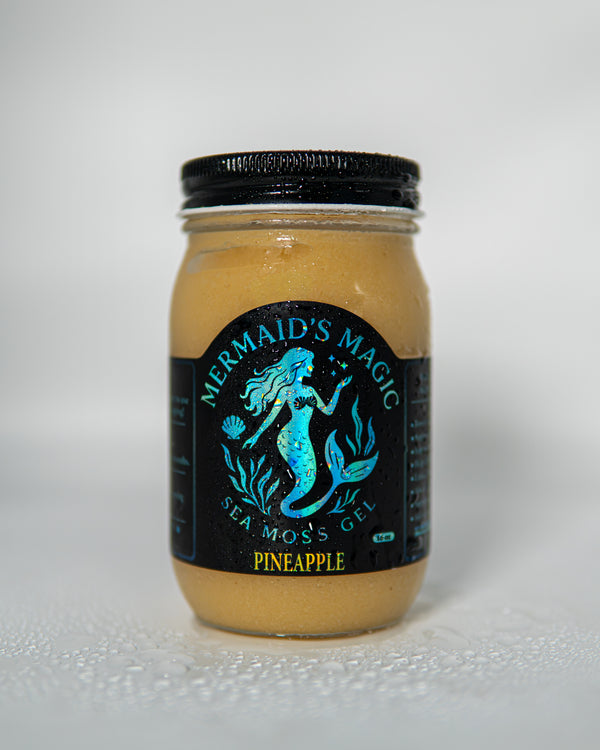
For simplicity, you can take one to two tablespoons of sea moss gel directly. The pineapple and mango flavors from Mermaid's Magic are popular choices because they taste great on their own and contain real whole fruit that adds additional vitamin C for immune support.
Steam Inhalation Companion
While you should not inhale sea moss directly, consuming a serving of sea moss gel before a steam inhalation session can enhance the mucolytic effect. The potassium chloride works internally while the steam works externally, creating a powerful one-two approach to clearing congested airways.
Sea Moss for Smokers and Ex-Smokers
Smoking damages the respiratory system in numerous ways, from destroying the tiny cilia that clear debris from the airways to causing chronic inflammation and increasing mucus production. While the most important step for lung health is quitting smoking, sea moss can support the recovery process for current and former smokers:
- Mucus clearance: Smoking causes excessive mucus production. Sea moss helps thin and clear this accumulated mucus.
- Antioxidant protection: Smoking generates massive amounts of free radicals in the lungs. The antioxidants in sea moss help neutralize oxidative damage.
- Anti-inflammatory support: Chronic inflammation from smoking damage can persist for years after quitting. The anti-inflammatory compounds in sea moss support the healing process.
- Nutrient replenishment: Smoking depletes multiple vitamins and minerals, including vitamin C, zinc, and selenium. Sea moss helps replenish these critical nutrients.
Former smokers who adopt a nutrient-rich diet including sea moss, fruits, vegetables, and other whole foods may accelerate the lung's natural repair processes. Research shows that the lungs begin to heal within days of quitting smoking, and optimal nutrition supports this remarkable regenerative capacity.
Supporting Respiratory Health Year-Round
Rather than waiting until you are already sick, the best approach is to support respiratory health proactively throughout the year. Here is a seasonal guide:
- Spring (allergy season): Increase sea moss intake to two tablespoons daily and pair with local honey and quercetin-rich foods like onions and apples to manage allergic responses.
- Summer: Maintain your daily sea moss routine and stay hydrated. Sea moss provides electrolytes that support hydration in the heat.
- Fall (cold and flu season prep): Strengthen your immune system with daily sea moss, adequate sleep, and stress management before respiratory viruses peak.
- Winter (peak illness season): Continue daily sea moss and add the respiratory tea preparation whenever you feel the first signs of congestion or throat irritation.
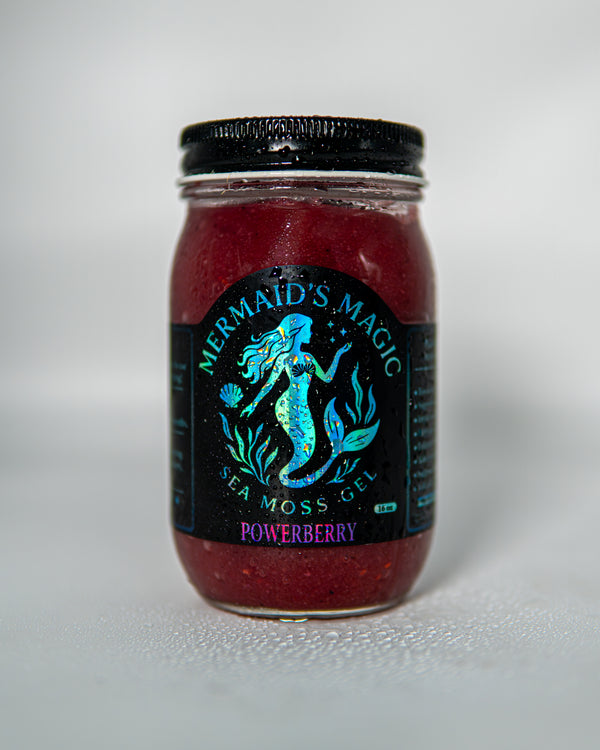
Mermaid's Magic offers multiple flavors that keep your daily sea moss routine enjoyable. Rotating between flavors like pineapple, strawberry, and blueberry prevents palate fatigue and ensures variety in your antioxidant intake.
Frequently Asked Questions
Can sea moss help with COVID-19 recovery?
Some people have reported that sea moss helped ease respiratory symptoms during and after COVID-19 infections. While the anti-inflammatory, mucolytic, and immune-supporting properties of sea moss are relevant to respiratory recovery, sea moss has not been studied specifically for COVID-19 in clinical trials. Follow your doctor's guidance for COVID-19 treatment and recovery.
Is sea moss safe for children with respiratory issues?
Sea moss is a whole food and is generally considered safe for children in smaller portions. However, consult your pediatrician before giving sea moss to children, especially those with thyroid conditions or those under the age of two.
How quickly does sea moss clear mucus?
Many people report noticing reduced congestion within 24 to 48 hours of starting sea moss gel, particularly when using the warm tea preparation. For chronic mucus issues, consistent daily use over several weeks typically produces the best results.
Can I take sea moss with my inhaler or respiratory medications?
Sea moss is a food and does not typically interact with respiratory medications. However, always inform your doctor about any supplements you are taking, especially if you use medications for asthma, COPD, or other chronic conditions.
Try Mermaid's Magic Sea Moss Gel
Support your respiratory health naturally with Mermaid's Magic sea moss gel. Our wild-harvested Caribbean sea moss delivers potassium chloride for mucus relief, anti-inflammatory polysaccharides for airway comfort, and naturally occurring minerals for total immune support. Prepared with real whole fruit in our FDA-registered commercial kitchen in Pensacola, Florida, every batch is vegan, non-GMO, and free of preservatives. Breathe easier with the power of the sea.