Sea Moss Knowledge Hub
Sea Moss Gel Expiration: How to Tell If It's Gone Bad
Understanding sea moss gel expiration is essential for anyone who uses this mineral-rich superfood. Because quality sea moss gel is made without preservatives, it's a fresh, perishable product — and knowing how to store it properly, how long it lasts, and how to spot signs of spoilage keeps you safe and ensures you're getting maximum nutritional benefit from every spoonful.
How Long Does Sea Moss Gel Last?
The shelf life of sea moss gel depends on several factors, including how it's made, what ingredients it contains, and how it's stored. Here are the general guidelines:
Refrigerated Sea Moss Gel
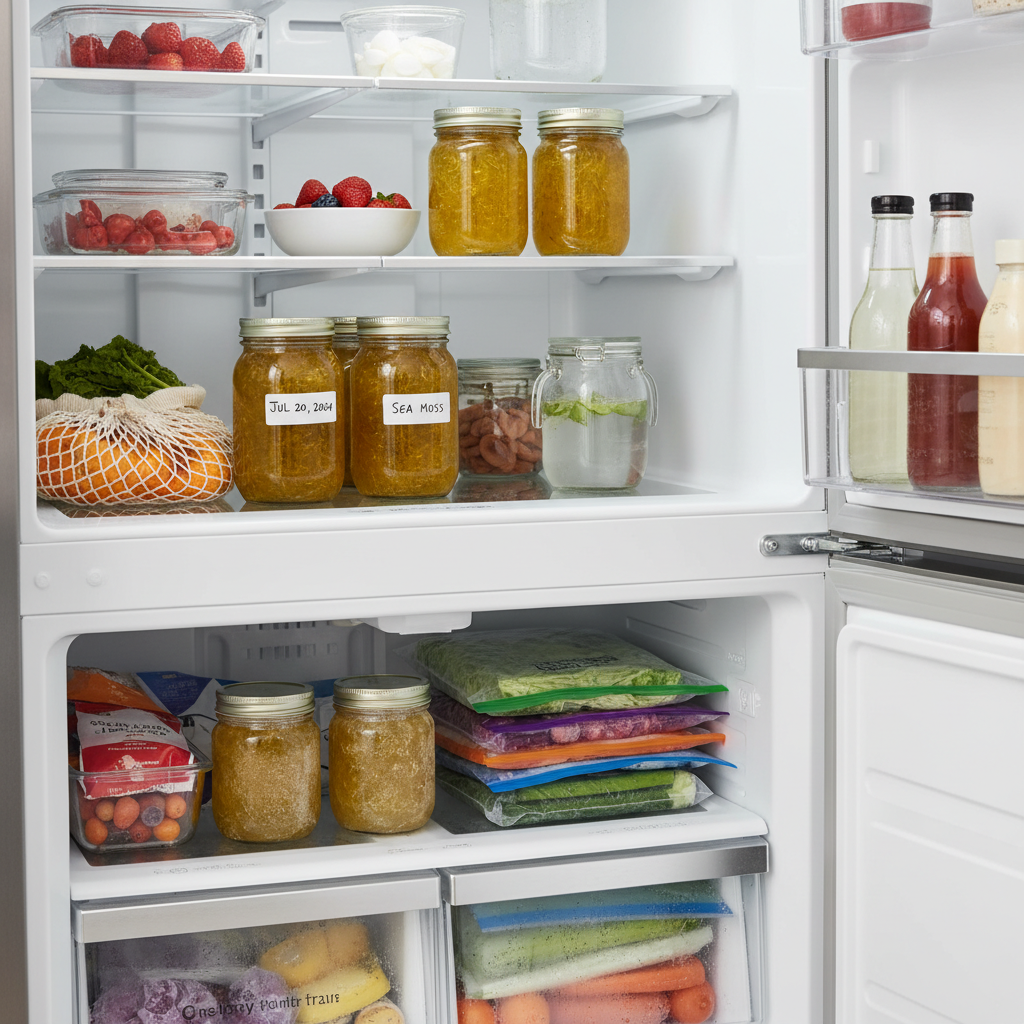
Properly made sea moss gel stored in the refrigerator typically lasts 3 to 4 weeks. This applies to gels made without artificial preservatives — which is how quality sea moss gel should be made.
The 3-to-4-week window assumes:
- The gel was made with clean, properly prepared sea moss
- It was jarred in a sanitized container
- It has been consistently refrigerated at 38–40°F (3–4°C)
- Clean utensils are used each time the jar is opened
Frozen Sea Moss Gel
If you want to extend the life of your sea moss gel beyond the refrigerator window, freezing is an excellent option. Frozen sea moss gel can last 3 to 6 months while maintaining most of its nutritional value. Some degradation of texture may occur upon thawing, but the mineral content remains largely intact.
Room Temperature
Sea moss gel should never be stored at room temperature for extended periods. Without preservatives, room-temperature sea moss gel can begin to develop harmful bacteria within hours. Always refrigerate your gel promptly after receiving it and after each use.
Why Real Sea Moss Gel Is Perishable
To understand sea moss gel expiration, it helps to understand why the product is perishable in the first place. Sea moss gel is essentially a blend of hydrated marine algae and water (and fruit, in the case of flavored varieties like those from Mermaid's Magic). It contains:
- High water content — water is necessary for the gel consistency but also creates an environment where bacteria can grow
- Natural sugars — from both the sea moss and any added fruit, which can serve as food for microorganisms
- No artificial preservatives — quality producers like Mermaid's Magic don't add chemicals to extend shelf life
- Natural compounds — the vitamins, minerals, and other nutrients that make sea moss valuable also make it attractive to bacteria
This perishability is actually a sign of quality. Products that last months on a shelf without refrigeration likely contain preservatives, excessive amounts of citric acid, or other additives that compromise the natural integrity of the gel. When your sea moss gel has a limited shelf life, it means it's made with real, unprocessed ingredients.
Signs Your Sea Moss Gel Has Gone Bad
Knowing the signs of spoilage is crucial for your safety. Here's what to look for when checking whether your sea moss gel has passed its sea moss gel expiration point:
Visual Changes
- Mold growth — any visible mold spots on the surface or around the rim of the jar mean the gel should be discarded immediately. Mold can appear as white, green, black, or blue-gray fuzzy spots.
- Color changes — if the gel has darkened significantly or developed unusual discoloration compared to when you first opened it, this may indicate spoilage
- Surface water — while some separation is normal (especially with fruit-blended gels), excessive water pooling on the surface can indicate breakdown of the gel structure
- Slimy film — a glossy, slimy film on the surface that wasn't there before is a sign of bacterial activity
Smell Changes
- Sour or fermented odor — fresh sea moss gel has a mild, clean scent (or fruity scent if flavored). A sour, vinegary, or fermented smell indicates bacterial growth and the gel should not be consumed.
- Strong fishy smell — while fresh sea moss gel may have a very faint ocean aroma, a strong or pungent fishy odor is a clear warning sign
- Yeasty or alcoholic smell — this indicates fermentation has begun, which means microorganisms are actively breaking down the gel
Texture Changes
- Excessive thinning — if your gel has become significantly more watery than when you first opened it, the gel structure may be breaking down due to microbial activity
- Graininess — a grainy or gritty texture that wasn't present initially can indicate chemical changes in the gel
- Clumping — unusual clumps or lumps developing in previously smooth gel may signal spoilage
Taste Changes
- Sour or acidic taste — fresh sea moss gel should taste clean and mild (or fruity if flavored). Any sourness or acidic bite that wasn't there before indicates spoilage.
- Bitter or off-putting taste — trust your palate. If something tastes wrong, don't continue eating it.
Important safety rule: When in doubt, throw it out. The cost of a jar of sea moss gel is never worth the risk of foodborne illness. If you notice any of these signs, discard the gel and open a fresh jar.
How to Maximize Your Sea Moss Gel's Shelf Life
Proper storage and handling can help you get the most out of every jar. Here are best practices for keeping your sea moss gel fresh as long as possible:
Refrigeration
- Refrigerate immediately upon arrival — don't let your sea moss gel sit at room temperature. As soon as your Mermaid's Magic order arrives, put it in the refrigerator.
- Store at 38–40°F (3–4°C) — the middle or back of your refrigerator is ideal, as temperatures are more consistent there than in the door
- Keep the lid tightly sealed — exposure to air introduces bacteria and accelerates spoilage
Hygiene Practices
- Always use clean utensils — never dip a used spoon or finger into your sea moss gel. Use a clean spoon each time to prevent introducing bacteria.
- Don't eat directly from the jar — scoop your portion into a separate bowl or glass, then seal the jar and return it to the fridge
- Keep the jar rim clean — wipe any gel residue from the rim before closing the lid to prevent mold growth around the seal
Freezing for Extended Storage
If you buy multiple jars or know you won't finish a jar within 3–4 weeks, freezing is your best option:
- Freeze in ice cube trays — pour sea moss gel into ice cube trays, freeze until solid, then transfer the cubes to a freezer bag. This gives you perfectly portioned servings you can thaw one at a time.
- Leave headspace — if freezing in the original jar, leave at least an inch of space at the top, as the gel will expand slightly when frozen
- Label with the date — mark the freezing date so you know when to use it by (within 3–6 months)
- Thaw in the refrigerator — when ready to use, transfer frozen gel to the fridge and let it thaw overnight. Don't microwave or heat it, as this can degrade nutrients.
Does the Type of Sea Moss Gel Affect Shelf Life?
Yes, several factors influence how long your specific jar will last:
Plain vs. Fruit-Blended
Plain sea moss gel (sea moss and water only) and fruit-blended gels have similar shelf lives when properly refrigerated — approximately 3 to 4 weeks. However, fruit-blended gels may show signs of separation more quickly due to the natural properties of the fruit. This separation is normal and doesn't indicate spoilage — simply stir the gel to recombine.
Preservative-Free vs. Preserved
Some sea moss brands add preservatives like potassium sorbate, sodium benzoate, or excessive citric acid to extend shelf life. While this allows the gel to last longer, it introduces chemicals that many health-conscious consumers prefer to avoid. At Mermaid's Magic, we make the deliberate choice to use no preservatives, accepting the shorter shelf life in exchange for a cleaner, more natural product.
Production Quality
Sea moss gel produced in a clean, FDA registered facility with proper sanitation protocols will naturally have a longer shelf life than gel made in an uncontrolled environment. Bacterial contamination during production shortens shelf life from the very beginning, which is one more reason to choose a producer with proper food safety standards.
The Mermaid's Magic Freshness Approach
At Mermaid's Magic, our entire production and shipping process is designed around freshness. Here's how we handle sea moss gel expiration concerns:
- Small-batch production — we produce in small batches to ensure every jar is as fresh as possible when it ships
- FDA registered kitchen — our Pensacola, Florida facility follows strict sanitation protocols that minimize contamination risk and maximize shelf life
- Strategic shipping schedule — we ship every Monday, Tuesday, and Wednesday to ensure your gel spends minimal time in transit
- No preservatives — we rely on proper food handling and cold-chain logistics rather than chemical preservatives
- Small-batch — every batch is made in our FDA-registered kitchen in Pensacola, Florida
This approach means your Mermaid's Magic sea moss gel arrives fresh, with the maximum shelf life ahead of it.
Frequently Asked Questions About Sea Moss Gel Expiration
Can I eat sea moss gel past its expiration date?
We strongly advise against it. Even if the gel looks and smells fine, bacteria can be present without visible signs. Adhere to the recommended shelf life for your safety.
Does dried sea moss expire?
Dried sea moss has a much longer shelf life than prepared gel — typically 1 to 2 years when stored in a cool, dry place in an airtight container. However, once it's been rehydrated and made into gel, the clock starts ticking.
Can I tell how fresh a gel is by its consistency?
Fresh sea moss gel should be smooth, thick, and uniform in consistency. As it ages, it may become thinner or develop separation. While some separation is normal (especially in fruit-blended varieties), significant changes in consistency over time suggest the gel is approaching the end of its shelf life.
Is it safe to refreeze thawed sea moss gel?
It's best to avoid refreezing thawed sea moss gel. Each freeze-thaw cycle degrades the texture and can introduce bacteria during the thawing period. This is why the ice cube tray method is ideal — you thaw only what you need.
My sea moss gel has water on top. Is it bad?
A small amount of water separation on top of your gel is completely normal, especially after it's been sitting in the refrigerator for a few days. Simply stir it back in. However, if the separation is excessive or accompanied by any of the spoilage signs listed above, it's time to discard the jar.
When to Order Your Next Jar
A good rule of thumb: if you're taking 1–2 tablespoons of sea moss gel daily (the recommended serving), a standard jar will last approximately 2–3 weeks. That means you should plan to reorder before you finish your current jar to avoid gaps in your routine.
Many Mermaid's Magic customers solve this by ordering multiple jars at once (and freezing what they won't use immediately) or by setting up a regular ordering schedule. Remember, orders over $100 ship free, making it economical to stock up.
Try Mermaid's Magic Sea Moss Gel
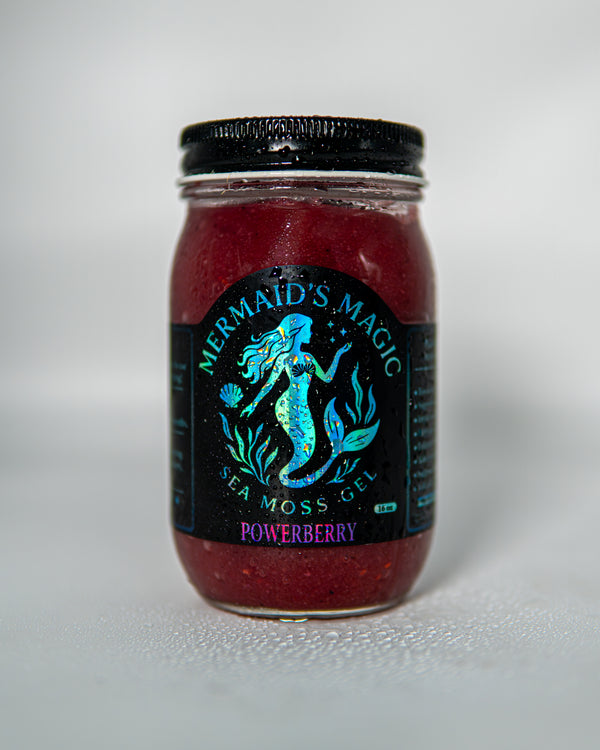
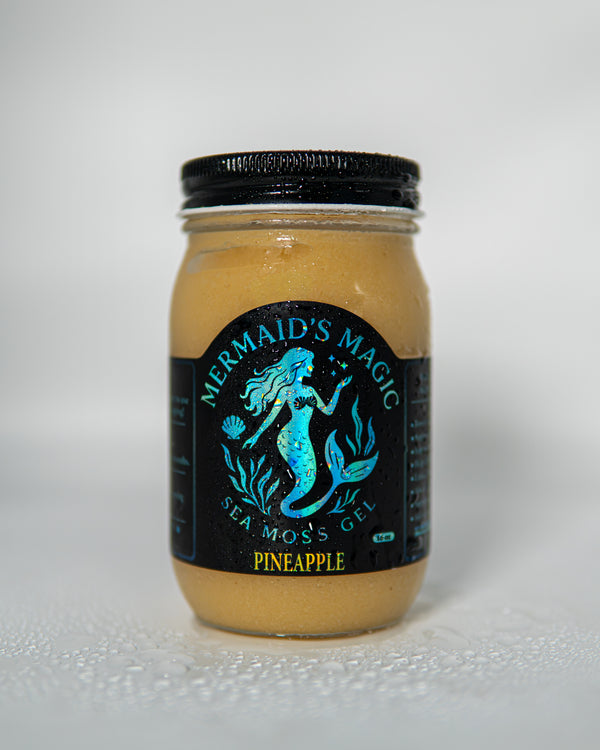
Fresh, preservative-free, and made in small batches in our FDA registered kitchen — that's the Mermaid's Magic promise. Our wild-harvested Caribbean sea moss gel is blended with real whole fruit and shipped fresh every Monday, Tuesday, and Wednesday. Choose from mango, strawberry, blueberry, strawberry matcha, pineapple, pineapple blue spirulina, and power berry. Vegan, non-GMO, and free shipping on orders over $100.